Jignesh Shah is a Product Manager at Foodiv — passionate about building intuitive, efficient software solutions for restaurants and food businesses.
November 23, 2025
If you want to understand why an online food ordering system is valuable for your restaurant, this blog will give you clear answers.
People today want ordering food to be as simple as possible. Most would rather check the menu online, pick what they want, and place the order in a few taps instead of calling the restaurant or waiting in line. It saves time and just feels easier.
It also brings relief for restaurant team members because orders come in clearly and accurately, which means less stress during busy hours.
Digital ordering is no longer just a trend. It genuinely improves how restaurants operate and how customers enjoy the service. Fewer mistakes, faster order handling, and clear tracking from the moment an order is received until it reaches the customer make day to day work smoother.
Throughout this blog, you will find the most important advantages of using an online food ordering system and how it can play a meaningful role in the growth of today’s food businesses.
The landscape of food consumption has undergone a significant transformation with the advent of online food ordering systems. These platforms have redefined convenience, enabling customers to access a diverse array of cuisines from the comfort of their homes. The integration of technology into the food industry has not only streamlined operations for restaurants but has also catered to the evolving preferences of modern consumers.
The surge in demand for online food ordering is evident in recent statistics:
As per the research done by Whizz, the global online food ordering market is projected to reach $1.41 trillion by the end of 2025, reflecting a compound annual growth rate (CAGR) of 7.88% from 2025 to 2029.
In the United States, over 40% of adults order restaurant delivery or takeout 3-5 times a month, indicating a strong and consistent consumer preference for online food services.
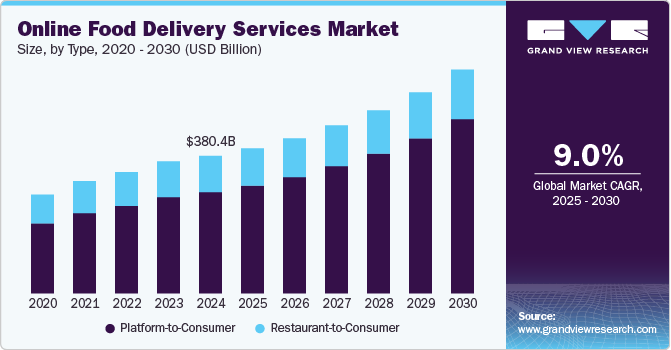
According to Grand View Research, the online food delivery services market in the U.S. is expected to grow significantly from 2025 to 2030, driven by expanding restaurant networks and delivery capabilities.
Source: Grand View Research
These trends underscore the importance for restaurants to adopt online food ordering systems to meet customer expectations and remain competitive in a rapidly evolving market.
Key Advantages of Online Food Ordering Systems
Adopting an online food ordering system creates opportunities for restaurants to serve customers more efficiently while optimizing internal processes. These systems improve how orders are managed, how customers interact with the restaurant, and how business decisions are made. Whether the goal is to increase revenue, reduce manual tasks, or improve customer service, digital ordering tools offer proven advantages. Restaurants that use this technology are better equipped to compete in a fast-moving market.
Expand Your Online Presence
A restaurant with a digital presence can reach customers beyond its immediate location. When menus and ordering options appear in search results, on mobile apps, and across local listings, more potential customers discover the brand. For example, a local café in a residential area can appear in online searches by tourists or professionals nearby during lunch hours. This increases foot traffic and delivery orders without requiring additional advertising or expansion. A consistent online profile helps the restaurant stand out and remain top of mind for customers looking to order quickly.
Convenient Ordering Anytime and Anywhere
Online ordering allows customers to place orders when and where it suits them best. This flexibility fits well into busy lifestyles and supports spontaneous decisions to order food. A customer on a commute can use a mobile phone to place an order before arriving home, ensuring the meal is ready on time. This type of experience is not only efficient but also improves satisfaction. Restaurants benefit from more frequent orders, especially during evenings and weekends when in-person service may be limited.
Streamlined Online Ordering Process
A digital food ordering system process organizes the customer journey in a clear and simple way. Menus are presented in an easy-to-read format, allowing users to make choices quickly. This reduces waiting times and eliminates confusion about available items. For example, a fast-casual restaurant can update its online menu in real time to reflect sold-out items or daily specials. This prevents customers from ordering unavailable dishes and saves staff time spent managing expectations manually. As a result, the ordering process becomes more efficient for both the customer and the kitchen staff.
Improved Order Accuracy and Fewer Human Errors
Manual order-taking methods often lead to miscommunication, especially in loud or busy environments. With an online food ordering system, every customer selection is recorded exactly as chosen. This removes the risk of incorrect orders due to unclear phone calls or misheard instructions. For instance, a vegetarian customer can select specific preferences and exclusions on a QR menu, ensuring the kitchen receives accurate details. This level of precision helps restaurants reduce food waste, avoid complaints, and build customer trust.
Real-Time Order Tracking
Customers value updates about their orders, especially when waiting for delivery. A food ordering system with real-time tracking allows customers to follow the status of their meal from preparation to dispatch. This builds confidence and reduces the need for follow-up calls. For example, a family ordering dinner during peak hours can see when the order is accepted, prepared, and out for delivery. On the restaurant’s side, tracking tools help manage kitchen workflow by showing how many orders are pending or complete. This ensures better coordination and reduces delays.
Enhanced Customer Satisfaction
Customer satisfaction improves when service is consistent and reliable. Online food ordering systems contribute to this by removing friction from the experience. Orders are placed smoothly, payments are processed instantly, and updates are shared automatically. A customer who regularly orders from the same restaurant online enjoys a familiar process, fewer mistakes, and faster service. These positive experiences encourage repeat business and word-of-mouth referrals. For the restaurant, satisfied customers often spend more and return frequently, which supports long-term growth.
Boost Revenue with Smart Upselling
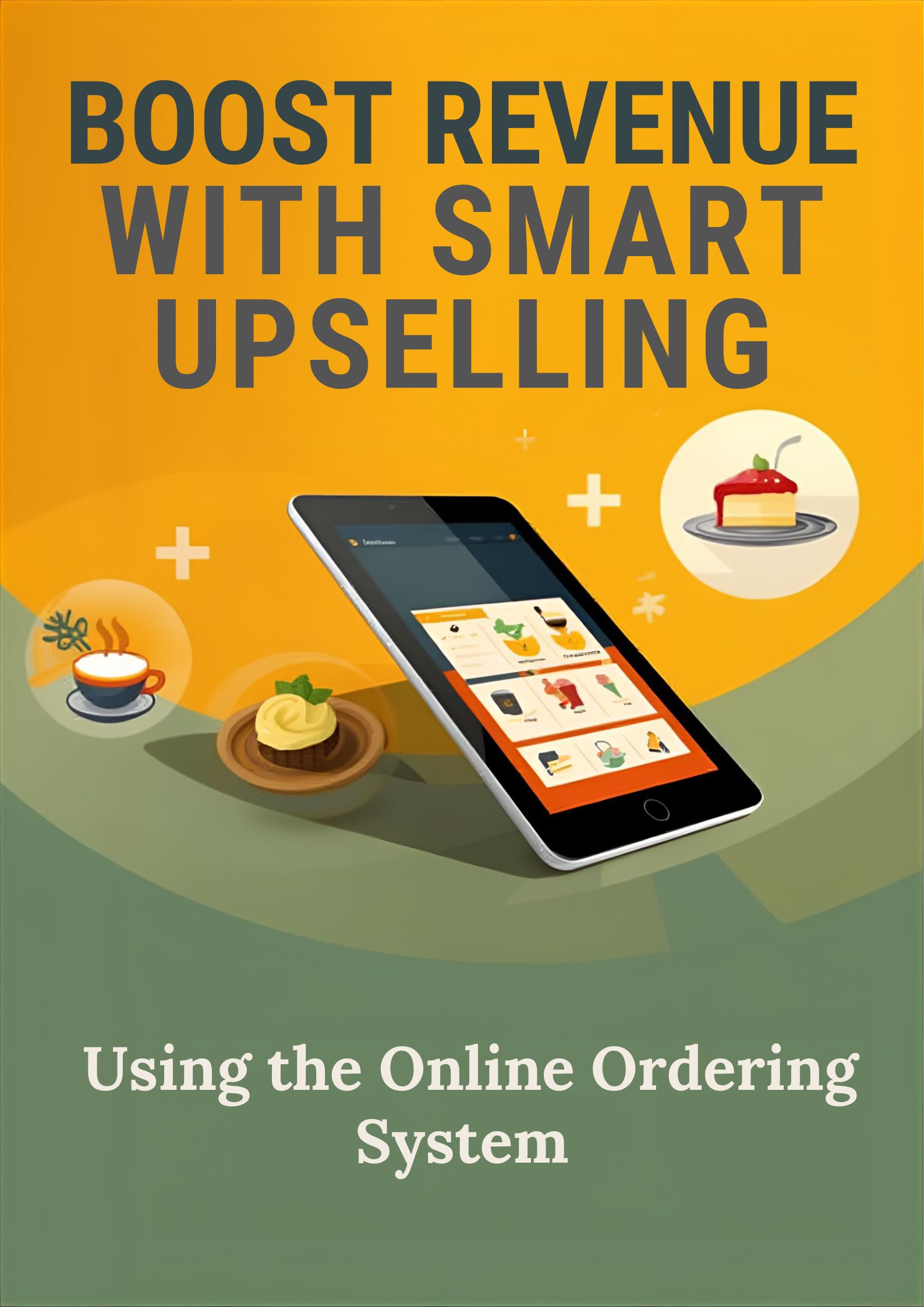
Online ordering gives restaurants a simple way to increase earnings while keeping the customer experience enjoyable. The system can point out items that fit well with what customers have already chosen as they build their orders. Someone adding a pizza, for example, could see a suggestion of garlic bread or dips and even a chocolate brownie. It almost feels like a friendly reminder rather than a sales gimmick.
This works well because it’s very subtle and runs in the background, adding no extra workload to the staff. The customer often finds something new they’d like to try, and the restaurant benefits from an increased order total. Long-term, these small additions create a steady uptick in revenue and also encourage customers to be more adventurous with their ordering.
Mobile Ordering to Capture On-the-Go Customers
Mobile access plays a major role in today’s ordering habits. A responsive and easy-to-navigate mobile interface ensures that customers can order food while commuting, working, or relaxing at home. For instance, a customer traveling on public transport can place a lunch order and schedule a pickup. This convenience supports more spontaneous purchases and encourages repeat use of the platform. Restaurants offering mobile-friendly ordering reach a wider audience and stay accessible throughout the day.
Grow Your Bottom Line
An online food ordering system supports higher profit margins through increased efficiency and greater order volume. Restaurants can handle more customers without needing to expand their physical space or add staff. For example, a small kitchen operating with limited seating can process multiple online orders at once, reaching more customers without crowding the dining area. With fewer manual steps and more streamlined service, restaurants can reduce costs while earning more from each shift.
Real-Time Expense and Sales Monitoring
Tracking daily performance becomes easier with built-in dashboards and reporting tools. A food ordering system offers real-time visibility into order volume, revenue, and payment status. For example, a manager can view which menu items are selling best and identify slow hours during the day. This information helps guide pricing, promotions, and staffing decisions. By monitoring key data points in real time, restaurants gain control over financial performance and can make timely adjustments when needed.
Stay Ahead of the Competition
Restaurants that adopt online food ordering systems position themselves as modern and customer-focused. Digital convenience is often a deciding factor when customers choose between dining options. For example, a restaurant offering easy online ordering may attract a customer who might otherwise have selected a nearby competitor with no digital access. Technology not only improves the experience but also signals professionalism and adaptability. Staying current with industry tools helps restaurants retain customers and attract new ones in a competitive market.
Streamlined Restaurant Operations
A centralized ordering system reduces the need for phone calls, handwritten tickets, and manual coordination. Orders go directly to the kitchen, helping staff focus on preparation and delivery. For instance, during peak hours, front-of-house staff can concentrate on dine-in service while online orders move efficiently through the system. This separation of tasks leads to fewer delays and better service overall. By using one platform to manage all incoming orders, restaurants simplify operations and maintain consistent performance.
Collect and Use Customer Data
A digital ordering platform helps restaurants gather accurate customer data. This includes order history, preferences, and frequency of visits. For example, a restaurant can identify popular dishes or frequent customers and adjust the menu or offers accordingly. Data also supports better inventory planning and promotional strategies. With detailed insights into customer behavior, restaurants can make informed decisions that lead to improved service and increased sales.
Reward and Retain Loyal Customers
Loyalty programs can be easily integrated into an online food ordering system. Customers can earn points, receive special offers, or access discounts after placing repeat orders. For instance, a customer who orders three times in a month might receive a reward on their next purchase. These incentives encourage customers to return more often. A structured loyalty feature builds stronger relationships and helps turn occasional visitors into regular supporters.
Enable Personalized Marketing Campaigns
Customer data collected through an online food ordering system supports targeted marketing efforts. Restaurants can create offers based on past orders, favorite items, or ordering frequency. For example, a customer who often orders vegetarian meals may receive updates about new plant-based options or discounts on similar dishes. These personalized messages increase the chance of engagement and help customers feel valued. Marketing based on real behavior is more effective and supports stronger customer relationships over time.
Conclusion
Online food ordering systems have become essential tools for restaurants that want to grow, operate efficiently, and meet evolving customer expectations. These platforms provide clear benefits such as improved order accuracy, better customer satisfaction, increased revenue, and streamlined operations. By adopting digital solutions, restaurants position themselves to handle more orders, reach a broader audience, and build lasting relationships with their customers.
Choosing the right food ordering system is a strategic step toward long-term success. A commission-free platform allows restaurants to retain their earnings while offering convenience, speed, and flexibility. As customer habits continue to shift toward digital preferences, the value of an effective online food ordering system becomes even more important.
Restaurants that embrace this change are better prepared to compete, adapt, and grow in today’s fast-moving environment.
We are sure you have understood the top benefits of online food ordering platfrom for restaurants and how online ordering systems work. Therefore, if you are planning to integrate the system into your restaurant business, we can help with a robust system with customization and deployment support. Let’s connect.
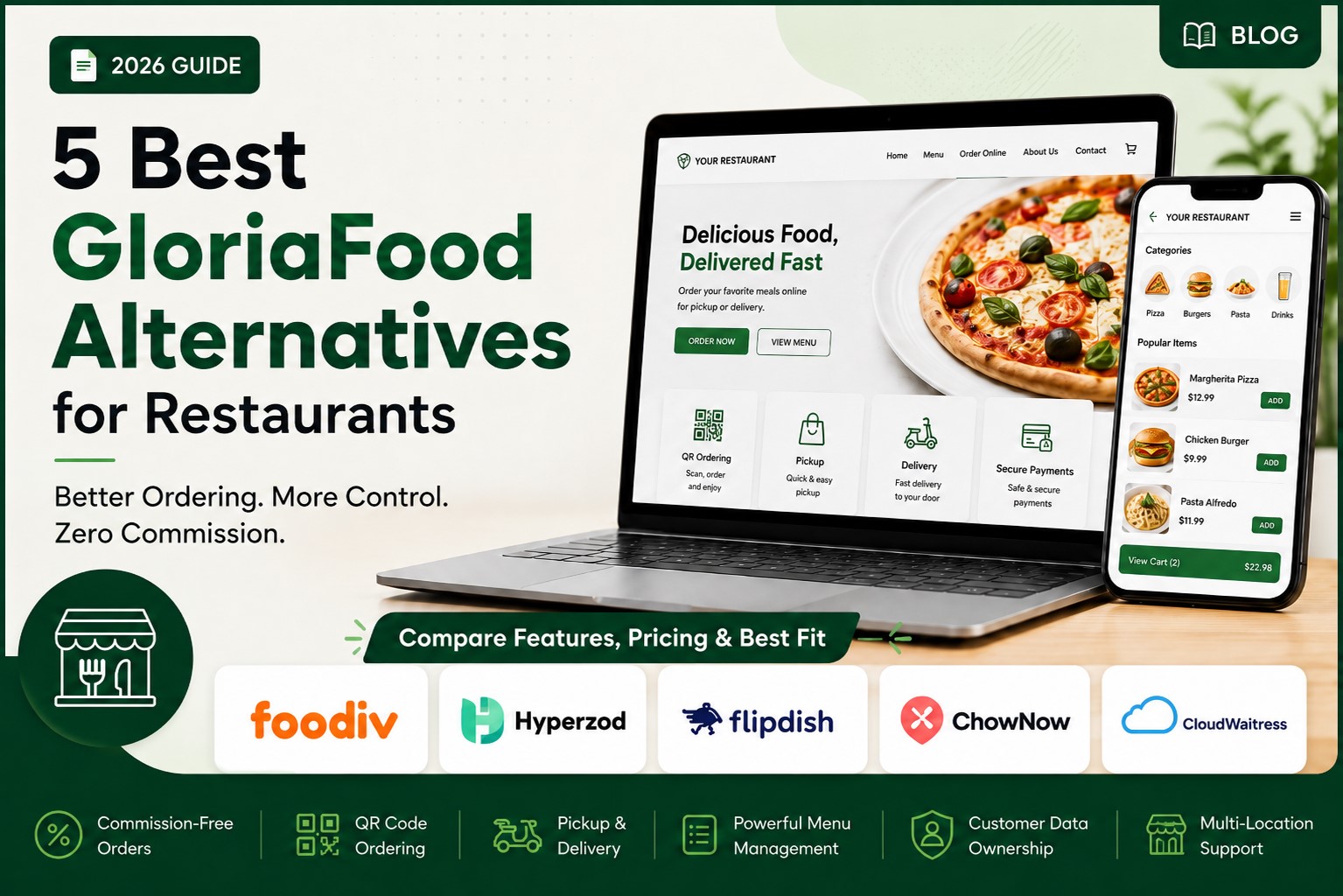
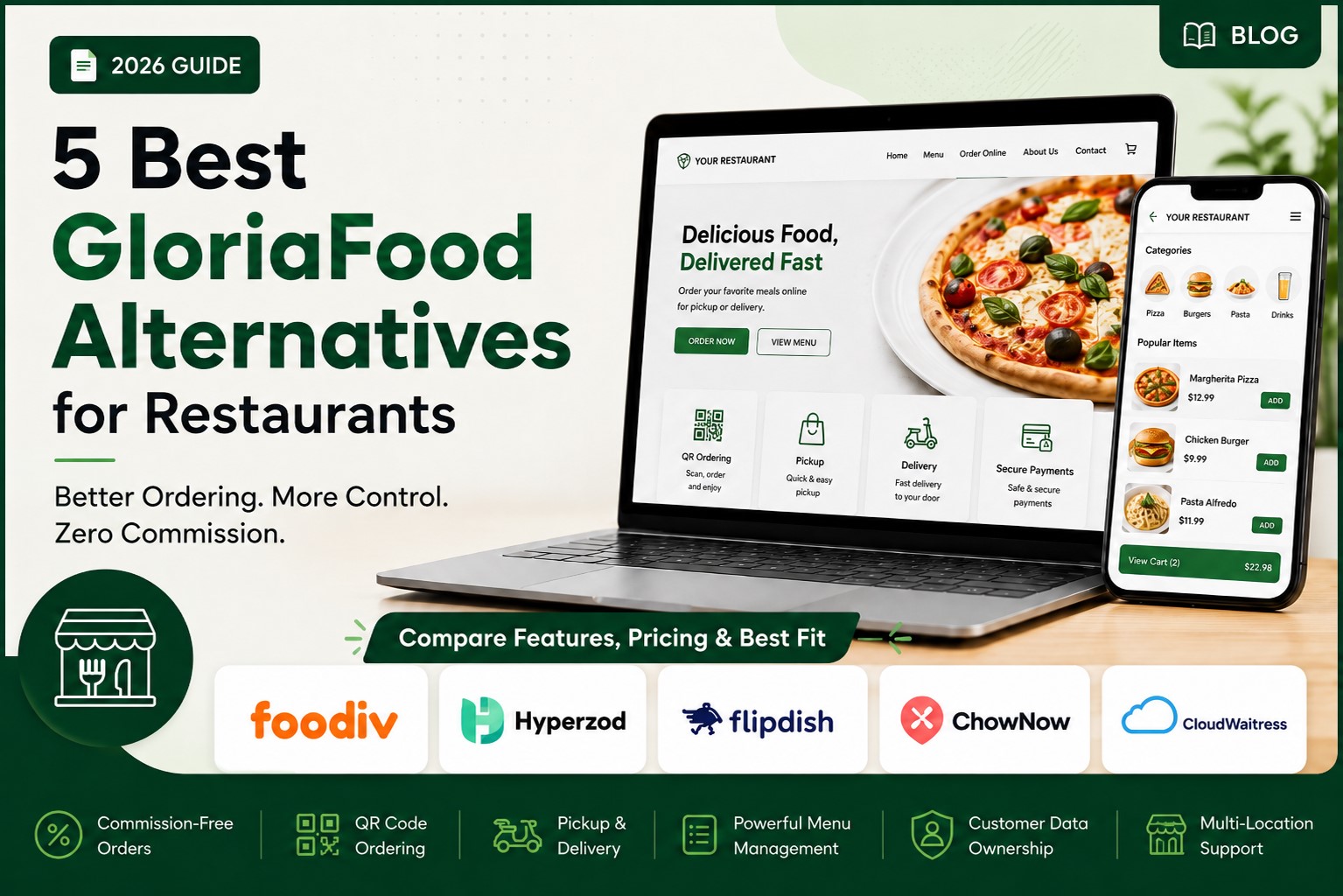
Restaurants using GloriaFood need to make a clear decision now. GloriaFood is no longer a long-term option, and waiting too long can affect online orders, menu updates, website order buttons, pickup, delivery, QR ordering, and customer data control. The good news is that restaurants have solid options. The challenge is choosing a GloriaFood replacement that fits daily operations, not just a tool that looks good on a pricing page. This guide compares the Best GloriaFood...
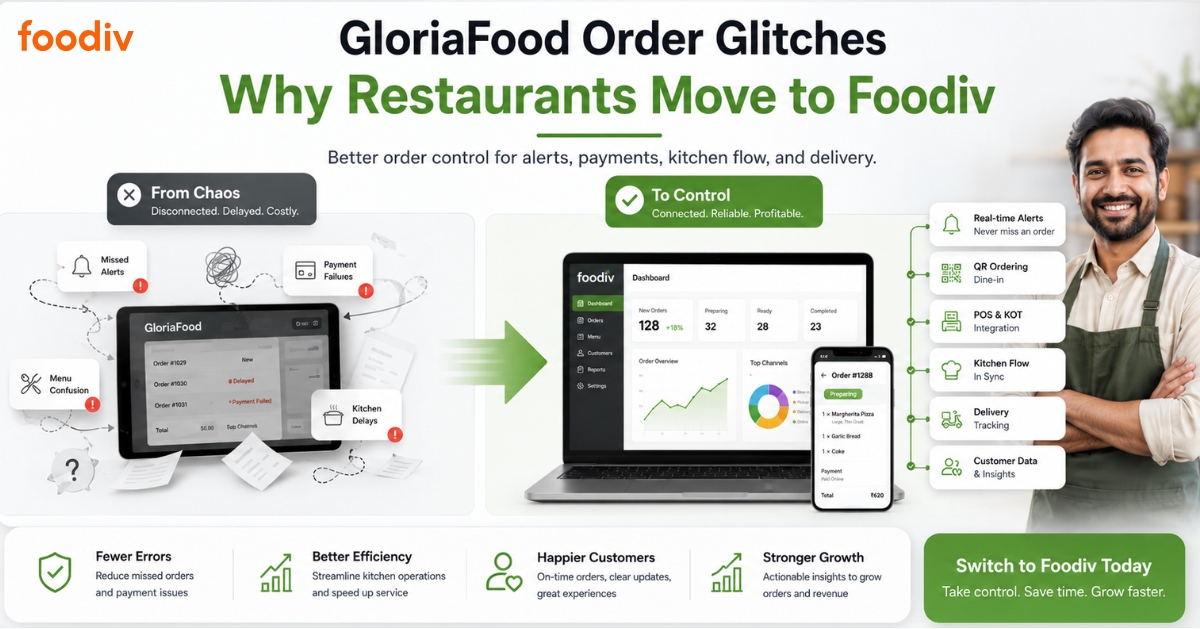
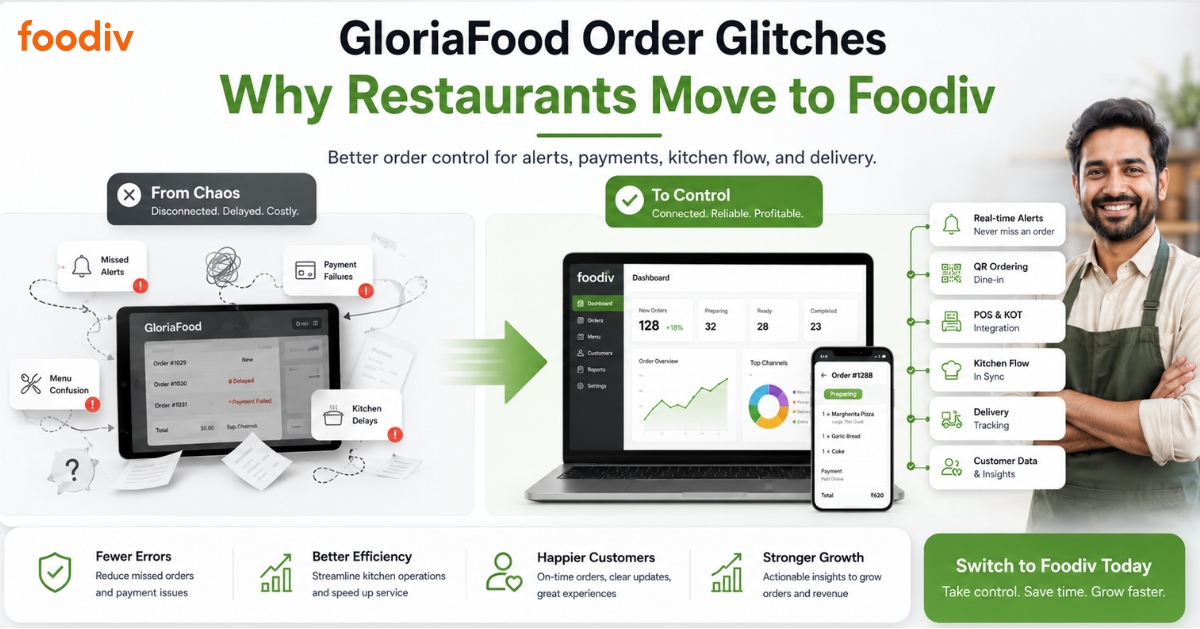
Online orders look simple from the customer side. Pick food, add modifiers, pay, and wait. But inside a restaurant, every order needs to move through several steps without confusion. The order has to reach the staff on time. The kitchen needs the right item details. Payment status must be clear. Delivery or pickup timing should make sense. If even one part breaks, the restaurant feels it immediately. That is where many GloriaFood users are now...
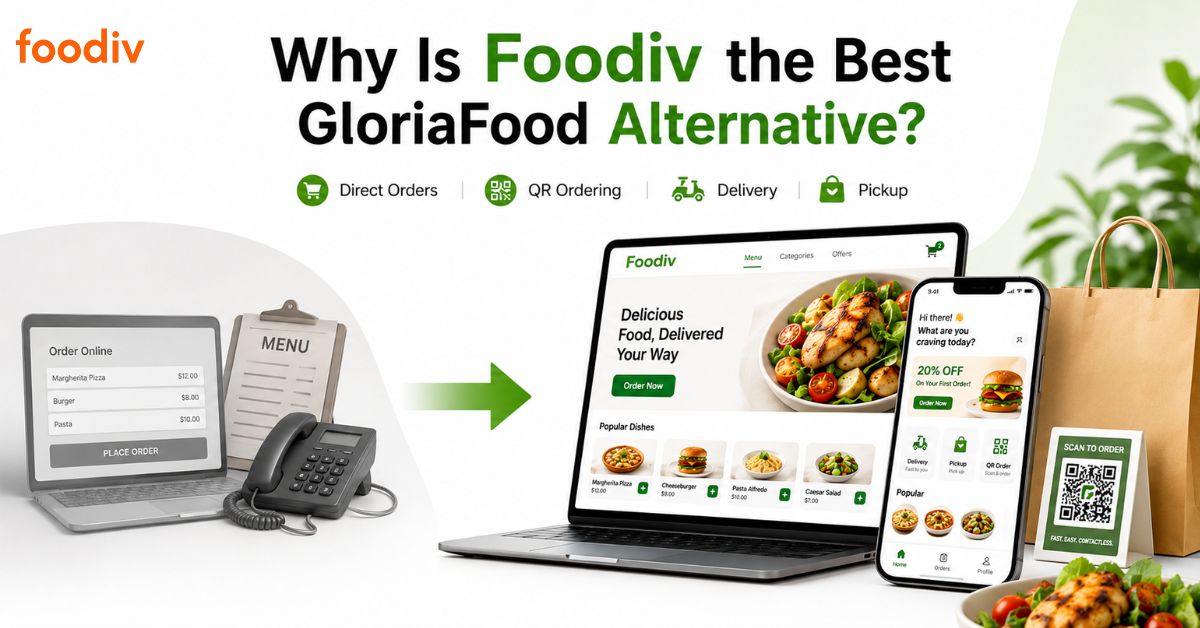
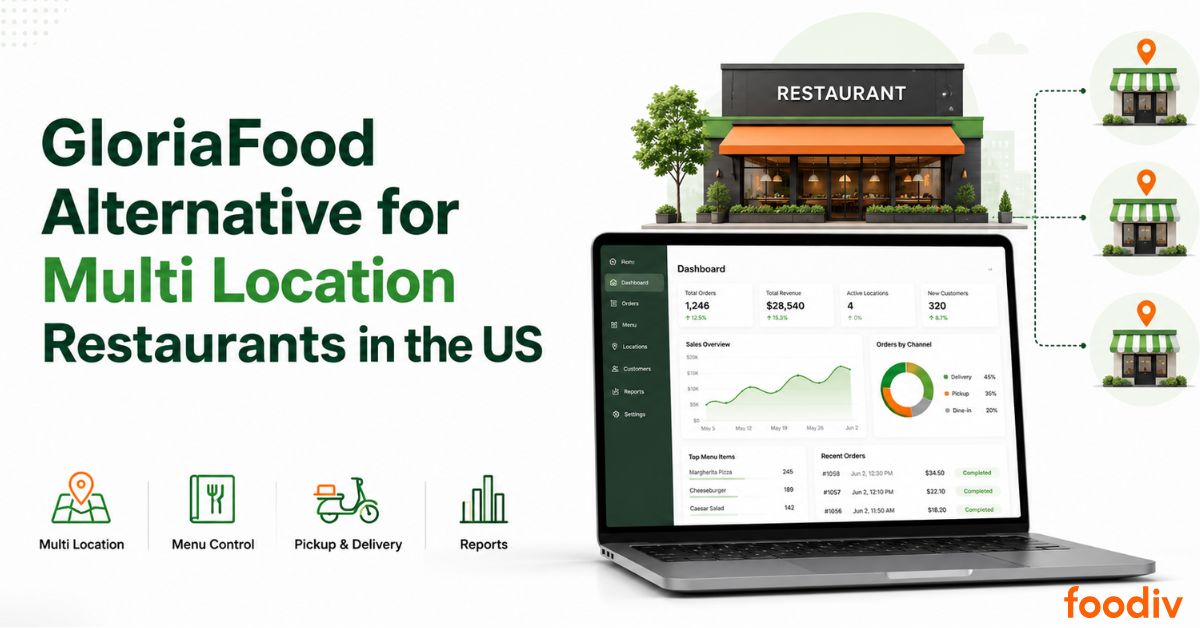
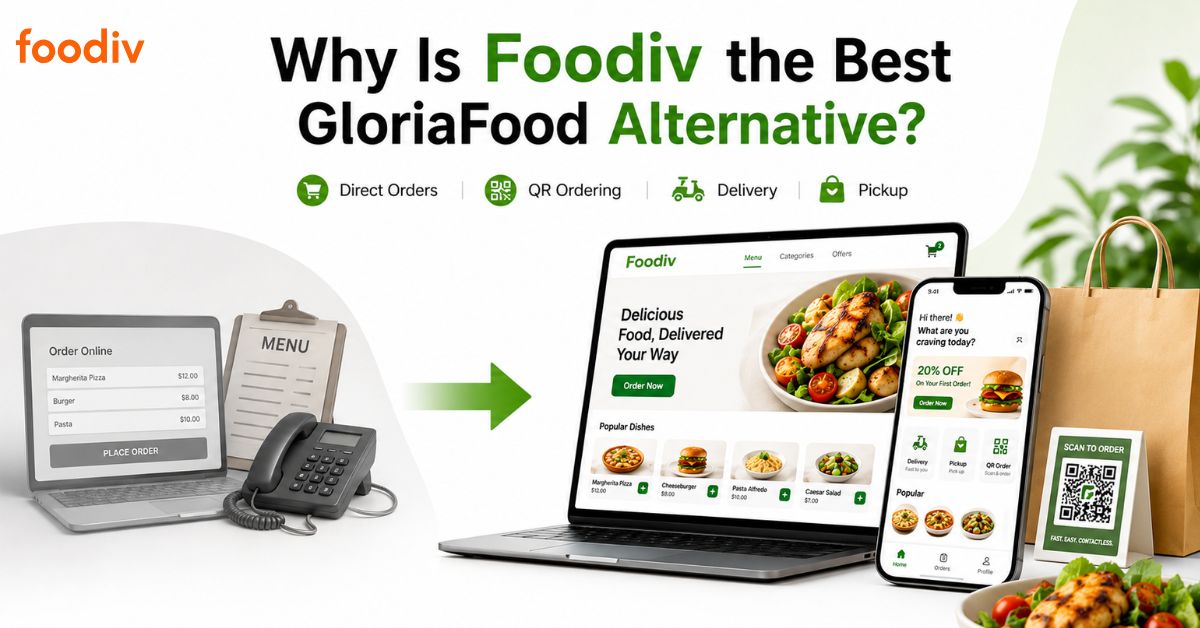
Foodiv is a strong GloriaFood alternative for restaurants that want more control over online ordering in 2026. It helps restaurants take direct orders from their own website, accept commission free orders, use QR ordering, manage delivery and pickup, update menus, keep customer data, and control multiple locations from one platform. GloriaFood helped many restaurants start online ordering. But restaurants now need a reliable system that supports daily operations and future growth. Foodiv gives restaurants a...
Kickstart Food Business for your Restaurant, only with Foodiv!!