A QR code in a restaurant lets customers scan with their phone to open a digital menu, place an order, pay at the table, or unlock a special offer. Restaurants use it to speed up service, reduce ordering mistakes, and make daily operations easier for both staff and customers.
Restaurants are always looking for simple ways to serve faster, reduce pressure on staff, and create a better customer experience. That is exactly why QR codes have become such a practical tool in modern dining.
At first, QR codes were mainly seen as a quick way to replace printed menus. Now they do much more than that. Restaurants use them to let customers view menus, place orders, pay at the table, access discounts, leave reviews, and even join loyalty programs. One small scan can remove multiple steps from the service process.
Here’s the thing. Speed matters in every restaurant. So does accuracy. When customers can interact directly with your menu from their phone, the ordering flow becomes quicker and more organized. Staff spend less time on repetitive tasks, and customers spend less time waiting.
This does not mean technology replaces hospitality. It means technology supports it. QR codes help restaurants run smoother while giving customers a more convenient and flexible experience.
This guide breaks down how to use QR codes in your restaurant in a practical way, so you can improve orders, speed up service, and create more opportunities to increase revenue.
What Is a QR Code for Restaurants?
A QR code for restaurants is a simple tool that helps customers access your menu and services through their phone. They scan the code, and within seconds, they can view the menu, place an order, make a payment, or even check offers. It removes extra steps and makes the dining process feel faster and easier.
Here’s why restaurants use it. Traditional ordering often creates small delays that add up. Customers wait for menus, wait again to place an order, and sometimes face mistakes when staff note items manually. A QR code helps reduce that friction. It gives customers more control and helps staff manage service better, especially during rush hours.
How QR Codes Work in a Restaurant Setup
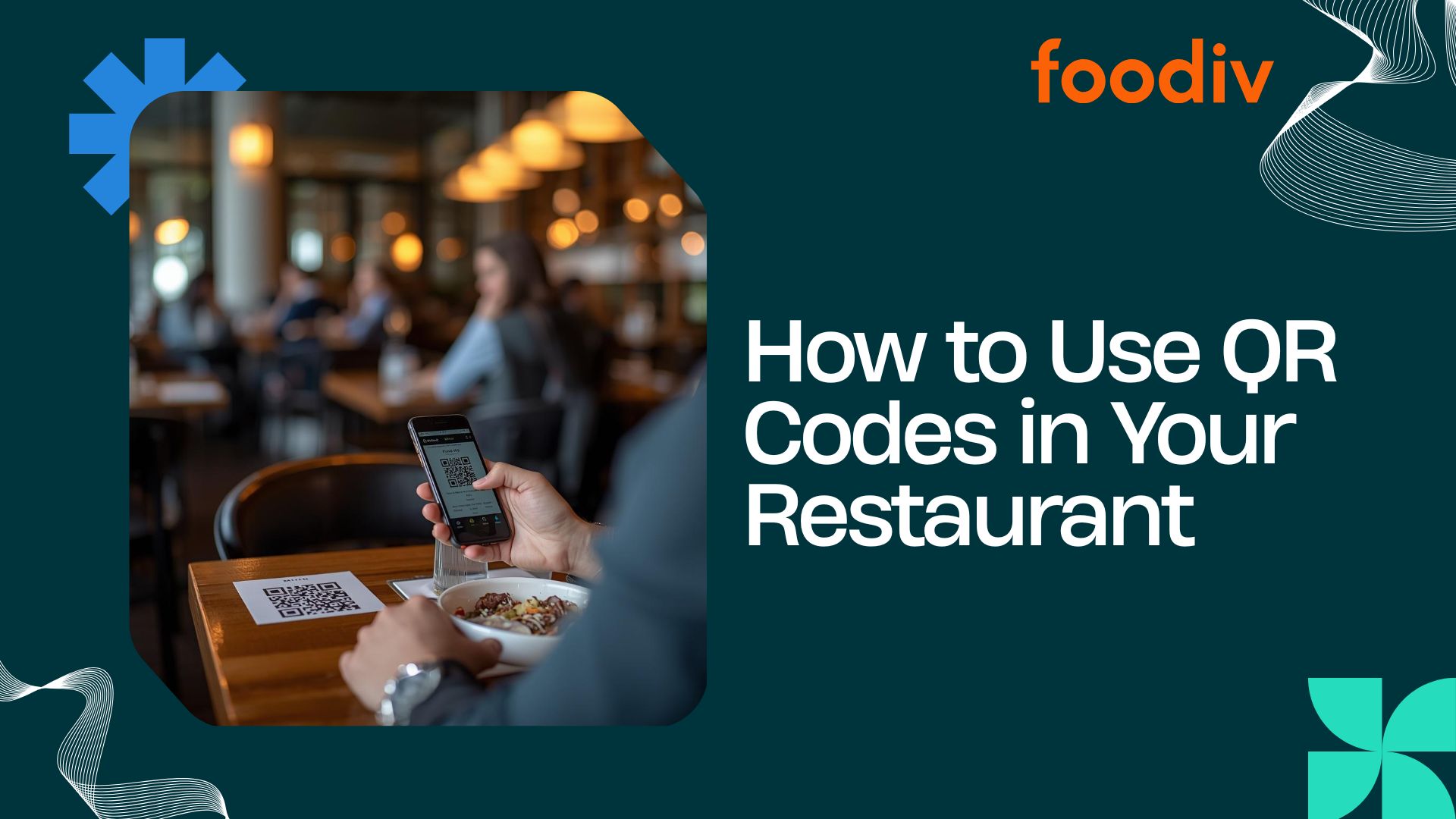
The process is simple. A customer arrives, sits down, and scans the QR code placed on the table, counter, wall, or receipt. The code opens the restaurant’s digital menu instantly on their phone.
From there, they browse items, add dishes to the cart, and place the order. In some setups, they can also pay right away. Once submitted, the order moves directly to the kitchen or POS system.
What this really means is a smoother flow from scan to service. The customer gets speed and convenience. The restaurant gets fewer errors, faster ordering, and better control over operations.
Why Restaurants Are Using QR Codes Today
Restaurants are using QR codes today because they make everyday operations easier without adding complexity. They help teams handle orders faster, reduce pressure during busy hours, and give customers more control over their experience.
Here’s the thing. Most service delays do not come from big problems. They come from small gaps like waiting for menus, waiting to order, or waiting to pay. QR codes remove those gaps. Customers move at their own pace, and staff can focus on service instead of repetitive tasks.
What this really means is a smoother flow across the entire restaurant. From the moment a customer sits down to the moment they leave, everything feels more organized and efficient.
Key Benefits for Restaurant Businesses
QR codes bring clear, practical benefits that restaurants can see almost immediately:
- Faster ordering experience
Customers scan the code and start ordering right away. There is no waiting for menus or staff, which keeps service moving even during peak hours.
- Reduced staff workload
Staff spend less time on manual tasks like taking orders or explaining menus. This allows them to focus more on customer service and table management.
- Better order accuracy
Customers select items directly from the menu on their phone. This reduces errors caused by miscommunication or incorrect order taking.
- Contactless dining
Customers can browse, order, and sometimes pay without physical interaction. This makes the experience cleaner, simpler, and more comfortable.
- Increased table turnover
Faster ordering and quicker payments help free up tables sooner. This is especially helpful during busy times when demand is high.
Why This Matters for Business Growth
These benefits are not just about convenience. They directly impact how a restaurant grows and performs.
- Revenue impact
Faster service means more customers served in less time. Digital menus also make it easier to highlight add-ons and upsell items, which can increase average order value.
- Operational efficiency
Less manual work and clearer order flow help the entire team work better. Kitchens receive accurate orders, and staff can manage more tables without feeling overwhelmed.
- Customer satisfaction
Customers enjoy a smooth and fast experience. When ordering feels easy and service feels quick, they are more likely to return and recommend the restaurant.
What this really means is simple. QR codes help restaurants run better on a daily basis, and those small improvements add up to real business growth over time.
10 Practical Ways to Use QR Codes in Your Restaurant
QR codes are no longer limited to digital menus. Restaurants now use them across the full customer journey to make service faster, easier, and more profitable.
1. Digital Menu Access
The most common use of QR codes in restaurants is simple. Customers scan the code and open your menu on their phone. No printed menus. No waiting for staff. No back and forth just to see what is available.
This may sound small, but it solves a real service gap. In many restaurants, customers sit down and wait before they can even start deciding what to order. A QR code removes that delay. The menu appears instantly, and the customer can start browsing right away.
Digital menu access also gives restaurants more control. You can update prices, remove unavailable dishes, add new items, and highlight specials without reprinting anything. That saves time and cost. It also keeps the menu accurate, which matters during busy hours when stock changes quickly.
Another advantage is presentation. A digital menu can include item descriptions, photos, customization options, and upsell suggestions. That helps customers make decisions faster and often leads to better order value.
What this really means is a smoother start to the dining experience. Customers feel in control, and staff do not need to spend time handing out menus or explaining basic items again and again. It is a simple use of QR codes, but it improves speed, accuracy, and convenience from the very first interaction.
2. QR Code Ordering at Table
Scan to order is where QR codes start creating a much bigger impact. Instead of using the code only to view the menu, customers can use it to place their order directly from the table.
This changes the service flow in a practical way. Customers do not need to wait for a server to come back and take the order. They browse, select items, add notes, and submit everything when ready. The process feels faster because it removes one of the biggest sources of delay in dine in service.
For restaurants, this reduces pressure on the team. Staff do not need to take every order manually, especially during peak hours. They can focus more on food delivery, guest support, and service quality. That is a big advantage when the floor is busy and the team is trying to handle many tables at once.
It also helps with order clarity. Customers choose exactly what they want, including extras, toppings, spice levels, or special instructions. This reduces confusion and cuts down mistakes caused by verbal ordering.
Scan to order works especially well for casual dining, cafes, food courts, and high traffic restaurants. It gives customers more independence and helps the restaurant keep the line moving.
Here’s the thing. Faster ordering does not just improve convenience. It creates a better rhythm for the entire service cycle. That is why table ordering has become one of the most valuable uses of QR codes in restaurants today.
3. Contactless Payments
QR codes can also make payments faster and easier. After the meal, customers scan the code, review the bill, and pay directly from their phone. That means no waiting for the check, no card machine delay, and no extra step just to close the table.
This matters more than many restaurants realize. Payment is often one of the slowest parts of the dining experience. Customers may be ready to leave, but they still wait for staff to bring the bill, process the payment, and return with the receipt. A QR code shortens that process and makes the exit smoother.
For customers, this feels convenient. They can pay when they are ready, split the bill if the system allows it, and complete everything in a few taps. For staff, it reduces interruptions and gives them more time to focus on active service instead of chasing payment requests.
Contactless payments also support a cleaner and more modern experience. Many guests now expect digital payment options. They are comfortable using their phone and often prefer it over cash or traditional card handling.
There is also a speed advantage for the restaurant. When payments happen faster, tables clear sooner. That becomes especially useful during lunch hours, weekends, or other rush periods.
What this really means is that QR based payment is not just a tech feature. It helps reduce waiting, improve table flow, and give customers a more convenient end to their dining experience.
4. Online Ordering and Takeaway
QR codes are not only useful inside the restaurant. They also work well for takeaway, pickup, and direct online ordering. A customer can scan a code from a flyer, poster, table card, food package, or even a receipt and go straight to your online ordering page.
This gives restaurants a simple way to turn offline traffic into repeat business. Someone may visit once, enjoy the experience, and later scan the code from the packaging to place another order from home or office. That creates a direct path back to your business.
It also helps reduce dependence on third party apps. Instead of sending customers to a marketplace, the QR code can lead them to your own ordering system. That gives you more control over the customer experience, order data, and profit margin.
For takeaway counters, QR codes can speed things up. Customers can scan while waiting, place the order, and reduce time spent in line. For delivery focused businesses, QR codes can support faster reordering and smoother promotional campaigns.
This use case works especially well when paired with clear offers, simple navigation, and mobile friendly ordering. Customers should be able to scan, browse, order, and checkout without friction.
Here’s the real value. A QR code can turn every printed touchpoint into an ordering opportunity. It helps restaurants drive repeat sales, support takeaway growth, and build stronger direct ordering habits without adding extra complexity.
5. Table Reservation and Waitlist
QR codes can also help restaurants manage reservations and waitlists more efficiently. Instead of asking customers to call, wait at the counter, or speak to staff for every booking request, you can let them scan and join the process directly from their phone.
This is useful in two ways. First, it makes reservations easier. A customer scans the code from your website, social page, storefront, or printed material and lands on your booking page. They choose a date, time, and party size without any extra steps. That removes friction and increases the chance of conversion.
Second, it improves the waitlist experience. During busy periods, customers can scan a QR code at the entrance and add their name to the waitlist. Some systems can even send updates when the table is almost ready. That feels more organized and less stressful than standing near the host desk and waiting for updates.
For the restaurant, this reduces crowding at the front and takes pressure off staff. It also keeps the flow cleaner during peak hours when every small delay creates more confusion.
Customers like convenience. They want quick access and clear information. A QR based reservation or waitlist system gives them both.
What this really means is better front of house control. You reduce manual handling, improve guest experience, and create a smoother entry process before the meal even begins. That is a smart and often overlooked use of QR codes in restaurants.
6. Collect Customer Reviews and Feedback
Getting feedback is important, but most restaurants make it harder than it needs to be. They ask customers to search for the business later, remember the name, and then leave a review when they have time. In reality, many never do it. A QR code solves that problem.
You can place a review or feedback QR code on the bill, receipt, table card, takeaway package, or exit sign. Customers scan it and go directly to the review page or a short feedback form. The process becomes quick, simple, and easy to act on in the moment.
This matters because timing affects response. A customer who just had a good meal is much more likely to leave a review right away than later in the day. The same applies to feedback. If something needs improvement, it is better to hear it while the experience is still fresh.
For restaurants, this creates two advantages. First, you collect more public reviews, which helps build trust online. Second, you get direct feedback that can improve service, menu quality, and operational decisions.
You can also guide the journey. For example, happy customers can be directed to a public review platform, while service concerns can go to a private feedback form.
Here’s the thing. Reviews do not grow only because customers are satisfied. They grow when the process is easy. QR codes make that process friction free, which helps restaurants build stronger reputation and learn faster from real customer input.
7. Promote Offers and Discounts
QR codes are a practical way to promote offers without making your marketing feel pushy. A customer scans the code and gets access to a discount, combo deal, special menu, or limited time offer right on their phone.
This works well because it feels immediate. There is no need to remember a coupon code or ask staff about current promotions. The offer appears instantly, which increases the chance that the customer will act on it.
Restaurants can use this in many places. Table displays can promote dessert deals. Packaging can push a discount on the next takeaway order. Window posters can invite passersby to scan for a lunch special. Receipts can offer a repeat visit deal. Each one turns a simple QR code into a revenue tool.
It also gives you flexibility. Offers can be updated anytime without redesigning printed material. You can run weekday deals, seasonal promotions, happy hour menus, or location specific campaigns with very little effort.
From a customer point of view, this feels helpful rather than intrusive. They are not being interrupted. They are choosing to scan and discover something useful.
What this really means is that QR codes can support smarter promotions. They help restaurants increase visibility for special offers, drive repeat visits, and move customers toward higher value actions. It is one of the easiest ways to connect marketing with actual customer behavior inside and outside the restaurant.
8. Loyalty Programs and Repeat Orders
QR codes can play a strong role in building customer loyalty. Instead of asking customers to download an app, fill out a long form, or remember a membership process, you can let them scan and join your loyalty program in seconds.
That simple step matters. Most customers are open to rewards, but they do not want friction. If joining feels too complicated, they skip it. A QR code makes the process easy. Scan, sign up, and start earning points or rewards.
This works well at tables, billing counters, takeaway stations, and even on packaging. A customer finishes the meal, scans the code, and gets access to points, cashback, birthday offers, or a discount on the next order. That creates a direct reason to come back.
QR codes also support repeat ordering. A customer who enjoyed the food can scan from a receipt or takeaway box and place the same order again through your direct ordering system. That shortens the journey from satisfaction to repeat purchase.
For restaurants, loyalty is not just about rewards. It is about staying connected. When customers return more often, the business becomes more stable and less dependent on one time walk ins.
Here’s the real value. QR codes help restaurants turn one visit into an ongoing relationship. They make it easier to reward customers, encourage repeat orders, and build stronger long term retention without adding unnecessary steps.
9. Staff Assistance Requests
QR codes can also improve service by helping customers request assistance without waiting or waving down staff. A simple scan can let them ask for water, call for the bill, request cutlery, or get help with an order.
This may seem like a small feature, but it solves a common restaurant problem. During busy periods, customers often need something simple, but staff may not notice right away. That creates frustration on both sides. The customer feels ignored, and the team feels stretched. A QR based request system creates a cleaner way to handle those moments.
For customers, it feels easy and direct. They do not need to interrupt staff or wait until someone passes by. They simply scan, choose the request, and send it. For restaurants, the request reaches the team in a more organized way, which improves response time and reduces chaos on the floor.
This use case is especially helpful in larger dining spaces, family restaurants, hotels, and places with high service volume. It supports faster communication without adding noise or confusion to the dining room.
It also improves the guest experience. Customers feel seen and supported, even when the restaurant is busy.
What this really means is better service flow. Staff can respond more efficiently, and customers can ask for what they need without friction. QR codes are not just about ordering. They can also improve how restaurants manage live service in real time.
10. Event Promotions and Social Media Links
Restaurants can use QR codes to promote events and grow their online presence in a simple and natural way. A customer scans the code and gets direct access to your upcoming event page, Instagram profile, special dinner booking, live music schedule, or seasonal campaign.
This works because it meets customers where they already are. They are sitting in your restaurant, enjoying the food, and already engaged with your brand. That is the perfect time to show them what else is happening.
For example, a table card can promote weekend brunch events. A poster near the entrance can highlight a live music night. A receipt can invite customers to follow your social page for updates and offers. A takeaway package can lead them to your event calendar or chef special announcement.
QR codes make promotion more interactive. Instead of just telling customers about something, you give them a direct way to explore it right away. That increases attention and improves action.
This also supports long term visibility. Social media follows, event signups, and campaign visits help restaurants stay connected beyond the single meal.
Here’s the thing. Many restaurants already run events and social campaigns, but they miss easy ways to connect those efforts with real customers in the space. QR codes close that gap. They turn physical visits into digital engagement and help restaurants promote more without making the experience feel forced.
How QR Code Ordering Works in Restaurants
QR code ordering is simple for customers and practical for restaurant teams. It removes extra steps from the service flow and makes the full ordering journey faster, clearer, and easier to manage.
Step 1: Customer Scans QR Code
The process starts with a quick scan. The customer sits down, sees the QR code on the table, counter, tent card, wall, or receipt, and opens their phone camera. In most cases, they do not need to download an app. They just scan and tap the link that appears.
This first step matters because it removes the usual waiting time. The customer does not need to ask for a menu or wait for staff to explain what to do next. They can start right away, on their own terms.
It also feels familiar. Most people already know how to scan a QR code, so the process feels natural. For restaurants, this creates an easy starting point for digital ordering without making the experience feel complicated.
What this really means is a faster beginning to service. The moment the customer sits down, the ordering journey can begin.
Step 2: Digital Menu Opens
Once the customer scans the code, the digital menu opens on their phone. This is where they start exploring what the restaurant offers. They can view categories, item names, prices, descriptions, photos, and add-ons in one place.
This step gives customers more control. They can take their time, compare options, and read details without feeling rushed. If the menu includes images or customization choices, the decision becomes even easier.
For the restaurant, this is a major advantage. The menu stays updated in real time. If an item is out of stock, the team can remove it. If prices change or a special dish needs more visibility, it can be updated quickly.
That means fewer mistakes and fewer awkward moments at the table. The menu customers see is the menu that is actually available. It makes the whole experience smoother from the very start.
Step 3: Customer Places Order
After browsing the menu, the customer selects the items they want and places the order directly from their phone. They can add quantities, choose variations, include special instructions, and review everything before confirming.
This step improves both speed and clarity. Instead of calling a server, repeating the order, and hoping nothing gets missed, the customer enters the details themselves. That reduces confusion and gives them confidence that the order is correct.
It also helps the restaurant during busy hours. Staff do not need to spend as much time taking manual orders from every table. They can focus on food delivery, customer support, and overall service quality.
For customers, the experience feels simple and direct. For the team, it reduces interruptions and keeps the floor moving. What this really means is a better ordering flow for both sides, especially when the restaurant is busy and every minute matters.
Step 4: Order Goes to Kitchen or POS
Once the customer confirms the order, it moves directly into the restaurant’s system. Depending on the setup, it goes to the kitchen display system, the POS, or both. This happens almost instantly.
This is one of the biggest reasons QR ordering works so well. There is no need for staff to rewrite the order, remember custom notes, or carry it manually to the kitchen. The details go through in a cleaner and faster way.
That improves accuracy. If a customer asks for extra cheese, no onions, or a different spice level, those instructions reach the kitchen exactly as entered. It reduces small mistakes that often happen with verbal ordering.
For the team, it creates a more organized workflow. The kitchen gets the order quickly, and the front-of-house staff stay free to handle other tasks. It turns ordering into a smoother system rather than a back-and-forth process.
Step 5: Food Served or Delivered
After the kitchen receives the order and starts preparing it, the final step is service. The food is either served at the table or handed over for takeaway or delivery, depending on the restaurant model.
This step may seem traditional, but QR ordering still improves it. Because the order was placed clearly and sent directly to the system, the kitchen can work with better accuracy and timing. That usually leads to fewer corrections and faster handoff.
For dine in service, staff bring the food to the right table with less confusion. For takeaway and pickup, the process feels more streamlined because the order is already logged and tracked properly.
Customers notice the difference. The meal arrives with fewer delays, fewer mistakes, and less waiting in between steps. That creates a smoother overall experience.
What this really means is simple. QR code ordering does not just help customers place orders. It improves the full journey from table to kitchen to service.
Where to Place QR Codes in Your Restaurant for Maximum Use
A QR code only works when people notice it and feel encouraged to scan it. Placement matters more than many restaurants think. If the code is easy to see and appears at the right moment in the customer journey, usage goes up naturally.
Here’s the thing. You do not need to place QR codes everywhere just to make them work. You need to place them where customers already pause, look, wait, or interact with your brand. That is what makes the scan feel useful instead of random.
Below are some of the most effective places to use QR codes inside and outside your restaurant.
- Table tents
Table tents are one of the best places for QR codes because customers notice them while sitting and waiting. A code on the table can lead to your digital menu, scan to order page, payment option, or special offers. It feels natural because the customer is already looking for something to do next.
- Table stickers
Table stickers work well when you want a more direct and fixed placement. They stay visible throughout the meal and are hard to miss. This makes them useful for dine in ordering, calling staff, or quick payment access.
- Receipts
Receipts are a smart place for QR codes because they reach customers at the end of the visit. You can use them to collect reviews, promote repeat orders, offer a discount on the next visit, or invite customers to join your loyalty program.
- Entrance signage
A QR code near the entrance can help customers before they even sit down. It can connect them to the menu, reservation page, waitlist, or current offers. This is especially useful during rush hours when people want quick information right away.
- Packaging and takeaway boxes
Takeaway packaging is often overlooked, but it creates a strong repeat-order opportunity. A QR code on the box can link to your direct ordering page, feedback form, rewards program, or upcoming promotions. It keeps your restaurant in front of the customer even after they leave.
- Walls and posters
Wall signs and posters work well for promoting events, social media pages, seasonal menus, or special campaigns. They are useful in waiting areas, near billing counters, and around pickup zones where customers have a few extra moments to notice and scan.
What this really means is simple. Good QR code placement follows customer behavior. Put the code where it feels helpful, easy to spot, and relevant to the moment. That is how you get more scans and better results.
How QR Codes Help Increase Restaurant Revenue
QR codes do more than make ordering easier. They also create real opportunities to increase revenue in practical, measurable ways. When used well, they help restaurants serve more customers, improve order value, and make smarter business decisions from everyday customer activity.
Upselling Through Digital Menus
Digital menus give restaurants more control over how items are presented. That matters because customers often buy more when they can clearly see add-ons, combos, extras, and featured items in front of them.
A printed menu usually stays static. A digital menu can do more. It can highlight bestsellers, suggest extra toppings, recommend drinks, show combo upgrades, or push desserts at the right moment. These small prompts can influence buying decisions without putting pressure on the customer.
Here’s the thing. Many upsell opportunities get missed when staff are busy. A QR code menu keeps those opportunities active for every table. It quietly encourages customers to explore more, and that often leads to higher average order value.
What this really means is simple. A better digital menu does not just show food. It helps guide customers toward more profitable choices in a natural way.
Faster Table Turnover
Revenue is not only about how much customers spend. It is also about how many customers you can serve in a given time. QR codes help improve that by reducing delays across the dining journey.
When customers scan to view the menu, place the order, and pay from their phone, the service flow becomes much faster. They spend less time waiting for menus, less time waiting to order, and less time waiting for the bill. That helps tables move more efficiently, especially during peak hours.
For restaurants with high footfall, this matters a lot. Even a small reduction in waiting time can help serve more tables over the course of lunch or dinner service.
What this really means is better use of your seating capacity. Faster table turnover creates more room for new customers, and that can directly support stronger daily revenue without expanding the space.
Reduced Staff Costs
QR codes do not replace your team, but they do reduce the amount of manual work your team needs to handle. That creates cost efficiency over time.
When customers can browse menus, place orders, and make payments themselves, staff spend less time on repetitive tasks. They do not need to carry menus back and forth, take every order manually, or process every payment request one by one. This allows restaurants to operate more efficiently, even with leaner teams.
That is especially valuable when labor costs are rising or when staffing is difficult. Instead of hiring more people just to manage volume, restaurants can use QR workflows to support smoother service with the team they already have.
For the business, this means better productivity per shift. Your staff can focus more on service quality and less on routine order handling.
Better Customer Data and Retargeting
One of the biggest business advantages of QR codes is that they can help restaurants collect useful customer data. That data can then support smarter marketing and stronger repeat business.
When customers scan a QR code to order, join a loyalty program, access an offer, or leave feedback, the restaurant gets more visibility into customer behavior. You can learn what people order, when they visit, which offers perform best, and what actions lead to repeat purchases.
This information is valuable because it helps you market with more purpose. Instead of sending random promotions, you can retarget customers with relevant offers, reminders, or loyalty rewards based on real behavior.
What this really means is that QR codes can support growth beyond the current meal. They help restaurants turn customer activity into future revenue by improving retention, repeat orders, and campaign performance over time.
How QR Code Technology Is Shaping the Future of Restaurants
QR codes have already changed how restaurants handle menus, ordering, and payments. But this is only the beginning. The next stage is not just about scanning a code. It is about making the full dining experience smarter, faster, and more personal.
Here’s the thing. A QR code on its own is just an entry point. The real value comes from what happens after the scan. As restaurant technology keeps improving, QR codes will connect with more advanced tools that help businesses understand customers better and serve them in a more useful way.
Below are some of the biggest ways QR codes are likely to evolve in restaurants.
- AI-powered recommendations
Future QR code menus will do more than show a list of dishes. They will help guide customer choices. Based on order history, time of day, popular combinations, or customer preferences, the system may suggest the most relevant items.
This can improve the customer experience and also increase order value. Instead of generic upselling, restaurants can offer suggestions that actually feel useful.
- Voice-based ordering
Voice support may become a helpful feature for QR ordering systems. After scanning the code, customers could speak their order instead of tapping through the menu.
This can improve accessibility and make ordering easier for people who prefer a faster, hands-free experience. It may also support multilingual service in a more natural way.
- Personalized menus
Not every customer wants the same experience. In the future, QR menus may change based on customer behavior, dietary preferences, location, or visit history.
A repeat customer may see favorite dishes first. A health-conscious customer may see lighter options more clearly. This kind of personalization can make the menu feel more relevant and easier to use.
- Integration with loyalty and CRM
QR codes will likely become more connected with loyalty programs and customer relationship tools. That means one scan could help restaurants identify repeat guests, apply reward points, show custom offers, or trigger follow-up messages after the visit.
What this really means is a stronger connection between in-store experience and long-term customer retention.
- Smart analytics
Restaurants will continue to get better insights from QR activity. They will be able to track what customers scan, what items get viewed most, where people drop off, which offers get used, and what drives repeat orders.
This kind of data helps restaurants make sharper decisions about pricing, promotions, menu design, and service flow.
The future of QR codes in restaurants is not about replacing hospitality. It is about supporting it with smarter systems. Restaurants that use QR technology well will not just offer convenience. They will create faster service, better customer experiences, and more informed business growth.
Conclusion
QR codes have become much more than a digital menu tool. They now help restaurants improve ordering speed, reduce service delays, increase order accuracy, support contactless payments, and create more opportunities to grow revenue.
Here’s the real takeaway. When used in the right way, QR codes make the dining experience easier for customers and more efficient for restaurant teams. They help businesses serve faster, work smarter, and stay better prepared for busy service hours.
Looking ahead, QR codes will become even more useful as restaurants connect them with AI, personalization, loyalty tools, and smarter customer insights. Restaurants that adopt them thoughtfully will not just keep up with changing customer expectations. They will be in a stronger position to improve service, build repeat business, and grow with more confidence.
FAQs
A QR code menu is a digital menu that customers access by scanning a code with their phone.It lets them view dishes, prices, and sometimes place orders without using a printed menu.
Customers scan the QR code using their phone camera, which opens a menu or ordering page. From there, they can browse items, place an order, and in some cases complete payment directly.
Yes, customers can place orders directly through a QR code.They scan the code, select items from the menu, and submit the order without waiting for staff.
Yes, most modern QR code systems connect with POS systems.This allows orders to go directly to the kitchen and keeps billing and operations in sync.
Yes, customers can place orders directly through a QR code.They scan the code, select items from the menu, and submit the order without waiting for staff.
Yes, most modern QR code systems connect with POS systems.
This allows orders to go directly to the kitchen and keeps billing and operations in sync.