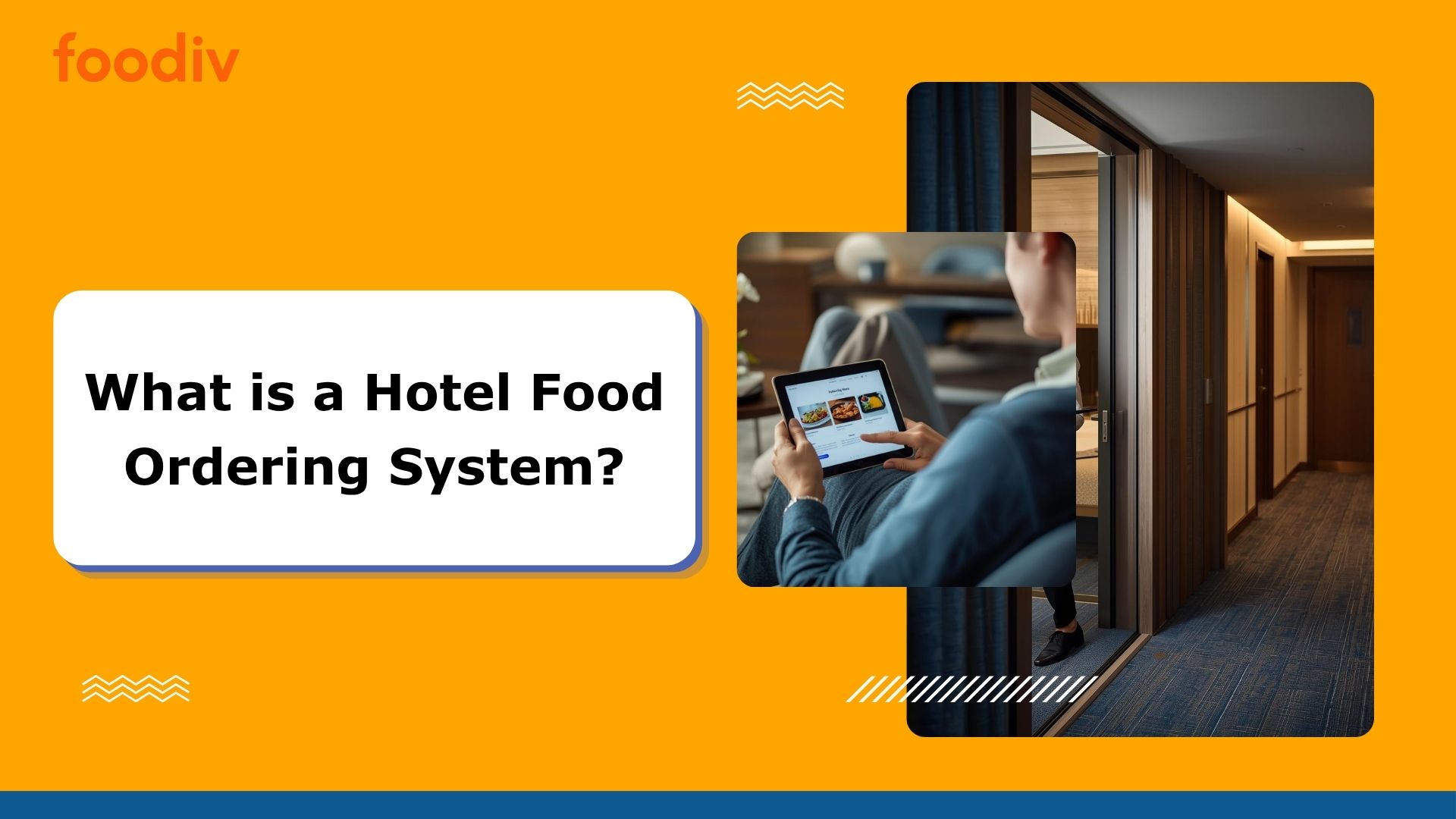
A hotel food ordering system is digital software that lets guests view menus, place food and beverage orders, choose delivery or pickup, and pay through QR codes, web apps, guest apps, or in-room tablets. It helps hotels speed up service, reduce order mistakes, and manage dining operations more efficiently.
Hotel dining has changed. Guest expectations have changed with it.
In 2026, guests expect speed, convenience, and control. They do not want to wait on hold to place a room service order. They do not want to search for printed menus or deal with unclear ordering steps. Most guests now prefer a simple digital experience that feels quick and familiar.
This is where a hotel food ordering system becomes important. It helps hotels offer a smoother way to manage food and beverage orders across rooms, restaurants, lounges, poolside areas, and other service points. Guests can browse menus, place orders, choose delivery preferences, and pay with less friction. Staff can handle orders faster and with fewer mistakes.
Manual ordering creates avoidable problems. Phone lines get busy. Staff may miss details. Menus may be outdated. Order errors can increase during peak hours. All of this affects guest satisfaction and puts pressure on hotel teams. What looks like a small process issue can quickly turn into a service problem.
A digital system solves many of these gaps. It brings more structure to ordering, improves order accuracy, and gives hotels better control over service flow. It can also support upselling, room charge options, multilingual menus, and real time menu updates. That makes it useful for both guest experience and hotel operations.
This guide explains the full picture. It covers what a hotel food ordering system is, how it works, why hotels are adopting it, which features matter most, and what to check before choosing one. If the goal is to improve room service, modernize dining, or reduce manual work, this guide will help make the next step clearer.
What Is a Hotel Food Ordering System?
A hotel food ordering system is a digital solution that helps guests order food and drinks directly from their phone or in-room device. It replaces manual phone orders with a faster and more structured process. Guests can explore menus, place orders, and track delivery without calling staff.
For hotel owners and managers, this system simplifies operations. It reduces dependency on manual communication and improves coordination between the kitchen, room service, and front desk teams. It also creates a more consistent guest experience across the property.
Takeaway: If the goal is to improve speed, accuracy, and guest convenience, a hotel food ordering system becomes a practical upgrade, not just a feature.
What it usually includes
A modern hotel food ordering system combines multiple tools into one connected platform. It supports both guest experience and backend operations.
Key components include:
- Digital menu – Guests can browse categories, view images, check descriptions, and see real time availability.
- Room service ordering- Guests can order directly to their room without calling.
- Restaurant and bar ordering-Supports dine-in, takeaway, or poolside service across hotel outlets.
- QR code access-Guests scan a code to open the menu instantly on their device.
- Mobile web ordering- No app download required. Guests can order through a simple web interface.
- Payment options- Supports online payments, digital wallets, or room charge billing.
- Order status tracking-Guests can see when their order is confirmed, prepared, and delivered.
- Backend order management-Staff receive, manage, and route orders to the right team in real time.
Takeaway: A strong system connects guest ordering with hotel operations in one smooth flow.
Types of hotel food ordering systems
Hotels can choose from different system types based on their setup and guest experience goals.
Common options include:
- QR code ordering system– Guests scan a QR code placed in rooms or common areas to access the menu and order instantly.
- Guest app based ordering- Ordering is built into the hotel’s mobile app, along with other guest services.
- In-room tablet ordering- A dedicated tablet inside the room allows guests to browse menus and place orders.
- Web-based room service ordering- Guests access a browser-based platform without installing any app.
- Integrated omnichannel hotel ordering platform- A single system that connects room service, restaurant, bar, and other outlets across the property.
Takeaway: The right choice depends on hotel size, guest expectations, and how many service points need to be connected.
Difference between hotel food ordering software and regular restaurant ordering software
Hotel food ordering software is more complex than a typical restaurant system because it needs to handle a wider range of operations.
Key differences include:
- Room number mapping-Orders must be linked to specific rooms for accurate delivery.
- PMS connection- Integration with the property management system helps verify guests and manage billing.
- Multi-outlet support- Hotels often run multiple outlets like restaurants, bars, and room service within one system.
- Guest billing or room charge- Guests can charge orders directly to their room instead of paying upfront.
- Service scheduling- Guests can schedule orders for specific times, such as breakfast or late-night service.
- Housekeeping or concierge extensions- Some systems also allow requests beyond food, such as amenities or services.
Takeaway: Hotel food ordering systems are designed for multi-layered operations, not just food delivery.
How Does Hotel Food Ordering Software Work?
A hotel food ordering system follows a simple but structured flow. It connects the guest, the menu, and the hotel team in one seamless process. Each step reduces manual effort and improves speed, accuracy, and coordination.
Step 1. Guest opens the ordering interface
The process starts when the guest accesses the ordering system. Hotels provide multiple entry points to make this easy.
Common access options include:
- QR code in the room – Guests scan a code placed on a table, bedside, or menu card.
- Link sent by SMS or WhatsApp-Hotels share a direct ordering link after check-in.
- Hotel guest app-Guests use the hotel’s mobile app for ordering and other services.
- In-room tablet- A dedicated device allows instant access to menus and services.
- Website or web app-Guests open a browser-based menu without downloading anything.
Takeaway: Easy access increases usage. The simpler the entry point, the more likely guests will order.
Step 2. Guest browses the digital menu
Once inside, the guest explores the digital menu. This step replaces printed menus with a more interactive experience.
The system typically shows:
- Clear categories- Starters, main course, beverages, desserts, and more.
- High-quality images-Helps guests understand the dish better.
- Detailed descriptions- Includes ingredients, portion size, and key highlights.
- Add-ons and extras-Options like toppings, sides, or upgrades.
- Real time availability- Items update instantly if unavailable.
- Multilingual support-Guests can switch languages based on preference.
Takeaway: A well-designed digital menu improves clarity and increases order value.
Step 3. Guest customizes the order
Guests can adjust their order based on personal preferences. This step adds flexibility and improves satisfaction.
Customization options include:
- Portion choices- Small, medium, or large servings.
- Add-ons-Extra toppings, sides, or combo upgrades.
- Dietary preferences- Vegetarian, vegan, or allergy-related changes.
- Special notes-Instructions like less spice or no onions.
- Time-slot or scheduled ordering-Guests can choose when they want the order delivered.
Takeaway: Customization helps hotels deliver a more personalized experience without extra manual effort.
Step 4. Guest confirms room details and payment
Before placing the order, the system confirms key details. This ensures accuracy and smooth billing.
The process includes:
- Room number or guest verification- The system links the order to the correct room.
- Payment method selection- Guests can choose how they want to pay.
- Pay now or charge to room-Flexible options for different guest preferences.
- Card, wallet, or hotel billing-Supports multiple payment methods.
Takeaway: Flexible payment options reduce friction and improve guest convenience.
Step 5. Order is routed to the right hotel team
Once confirmed, the order moves instantly to the correct department. This step replaces manual communication between teams.
The backend flow typically includes:
- Kitchen receives food orders
- Bar receives beverage orders
- Room service staff gets delivery instructions
- Restaurant counter handles dine-in or pickup orders
- POS or KDS integration ensures proper tracking and execution
Takeaway: Automated routing reduces errors and speeds up order processing.
Step 6. Staff prepares and delivers the order
Hotel staff prepare the order based on clear digital instructions. The system helps teams stay organized during busy hours.
It supports:
- Order tracking for staff
- Clear preparation instructions
- Better coordination between kitchen and service teams
- Faster delivery with fewer mistakes
Guests receive their orders on time, with better consistency.
Takeaway: Structured workflows help staff deliver faster service with fewer errors.
Step 7. Hotel tracks performance and sales
The system does not stop at order delivery. It also gives hotels valuable insights through built-in dashboards.
Hotels can track:
- Order volume- Number of orders placed over time.
- Top-selling items-Most popular dishes and categories.
- Peak hours-Busy time slots for better planning.
- Upsell performance-How add-ons and upgrades perform.
- Guest behavior insights-Ordering patterns and preferences.
Takeaway: Data helps hotels improve menus, optimize operations, and increase revenue over time.
Why Do Hotels Need Digital Food Ordering?
Digital food ordering helps hotels meet modern guest expectations and run food service more efficiently. It solves common service issues, reduces manual work, and creates more opportunities to grow food and beverage sales.
Guests expect faster and easier ordering
Hotel guests now expect convenience in every part of their stay. Food ordering is no different. They want to scan, browse, order, and pay without waiting on a call or depending on staff availability.
A digital system makes that possible. It gives guests a faster way to access menus and place orders on their own time. That matters even more for travelers who already use mobile-first services in almost every other part of daily life.
Takeaway: When ordering feels easy, guests are more likely to use it.
Manual phone based room service slows operations
Traditional room service often depends on calls, handwritten notes, and repeated coordination between teams. This process takes time. It also creates unnecessary pressure during busy hours.
Staff may need to answer calls, explain menu items, repeat order details, confirm room numbers, and pass instructions to the kitchen or service team. Every extra step increases the chance of delay.
A digital system removes much of this friction. It gives guests a direct ordering path and helps teams work in a more structured way.
Takeaway: Less manual coordination means faster service and smoother operations.
Digital ordering reduces order errors
Phone based orders often lead to missed details. Staff may mishear an item, forget a modifier, or enter the wrong room number. These small mistakes affect both service quality and guest satisfaction.
Digital ordering reduces these risks. Guests enter their choices directly. Special instructions stay attached to the order. The kitchen and service team receive clearer information from the start.
This creates a more reliable process from menu selection to delivery.
Takeaway: Better order accuracy leads to fewer complaints and a stronger guest experience.
Hotels can increase food and beverage revenue
A digital ordering system does more than improve convenience. It can also support revenue growth. When menus are easy to browse and visually appealing, guests often explore more items and place orders more confidently.
Hotels can also promote add-ons, combos, premium items, and limited-time offers in a more visible way. That creates more chances to raise average order value without putting extra pressure on staff.
Digital ordering can also encourage more frequent ordering because the process feels simpler and faster.
Takeaway: Better visibility and easier ordering can turn into stronger food and beverage sales.
It helps sell across more hotel spaces
Digital food ordering is not limited to room service. Hotels can use it across multiple service areas and create a more connected dining experience throughout the property.
Common use areas include:
- Rooms- Guests can place in-room dining orders without calling.
- Poolside- Guests can order drinks, snacks, or meals directly from their lounge chair.
- Lobby lounge-Hotels can support casual food and beverage ordering in shared spaces.
- Restaurant tables-Guests can view menus, reorder, or pay more easily.
- Spa areas-Hotels can offer refreshments or wellness-friendly menu items in a quieter setting.
- Events and meeting spaces-Attendees can place food and beverage requests with less disruption.
This wider reach helps hotels generate orders from spaces that often depend on slower manual service.
Takeaway: The more service points a hotel can connect, the more value digital ordering can deliver.
It improves staff productivity
Hotel teams already manage multiple guest needs at once. A digital system helps reduce repetitive tasks and gives staff more time to focus on service quality.
Instead of handling every order by phone, staff can work from a centralized flow. Orders arrive with the right details. Teams know where the request came from, what the guest wants, and where it needs to go.
This improves coordination between the kitchen, room service, front desk, and outlet teams. It also helps hotels handle peak periods more effectively.
Takeaway: Smarter workflows help teams do more without adding unnecessary workload.
It supports upselling and better menu visibility
Printed menus and phone conversations limit how much guests see. A digital menu gives hotels more space to present food and beverage options clearly and attractively.
Hotels can highlight:
- chef specials
- premium dishes
- breakfast add-ons
- desserts
- beverages
- combos and upgrades
This makes upselling feel natural instead of forced. Guests can see more options, compare choices, and add items with a few taps.
Takeaway: Better menu visibility often leads to better upsell opportunities.
It creates a more modern guest experience
A hotel experience should feel smooth from check in to checkout. When guests use digital keys, guest messaging, and mobile booking, outdated food ordering stands out quickly.
Digital ordering helps hotels create a more consistent and modern experience. It shows that the property values convenience, clarity, and guest control. That matters for both brand perception and repeat stays.
For many hotels, this is no longer just about technology. It is about meeting the standard guests now expect.
Takeaway: A modern ordering experience strengthens the overall impression of the hotel.
Explore This Blog: How to Optimize Hotel Room Service Efficiency in Modern Hotels
Final Thoughts on Hotel Food Ordering Systems in 2026
A hotel food ordering system is a digital solution that helps guests browse menus, place food and beverage orders, choose payment options, and receive service with less friction. It gives hotels a more structured way to manage room service, restaurant orders, and property-wide dining requests.
The process is simple. Guests access the menu through a QR code, web app, hotel app, or in-room tablet. They place an order, customize it, confirm payment or room details, and the system routes everything to the right team for preparation and delivery. At the same time, hotel teams can track orders, manage workflows, and review performance data more efficiently.
This matters now because guest expectations have changed. Speed, convenience, and control are no longer nice extras. They are part of the modern hotel experience. Manual ordering still works in some settings, but it often creates delays, errors, and operational pressure that digital systems can reduce.
That is why digital ordering is becoming a practical standard for modern hotels. It improves guest convenience, supports staff productivity, and helps hotels create a smoother dining experience across the property. For hotels looking to modernize service in 2026, a digital food ordering system is no longer just an upgrade. It is a smarter way to operate.