Managing reservations used to be simple. A phone call. A notebook. A quick confirmation. That approach worked when volumes were lower and expectations were different. Today, it creates more problems than it solves.
Manual reservation handling breaks down fast. Phone lines stay busy during service. Double bookings happen. Staff miss changes or cancellations. Tables sit empty while guests wait. What should be a smooth front of house process turns into constant guesswork.
At the same time, guest behavior has changed. Diners now expect to book a table the same way they book a cab or order food. Online. Instantly. Without calling during business hours. If a restaurant cannot offer that convenience, many guests simply move on to one that can.
This is why table reservation systems are no longer a nice add on. They have become a core part of how modern restaurants operate. They help control table flow, reduce no shows, and create a better experience for both staff and guests. More importantly, they replace uncertainty with clarity.
This guide breaks it all down in plain terms. You will learn what a restaurant table reservation system is, how it actually works behind the scenes, and why it plays such a critical role in daily operations.
What Is a Restaurant Table Reservation System?
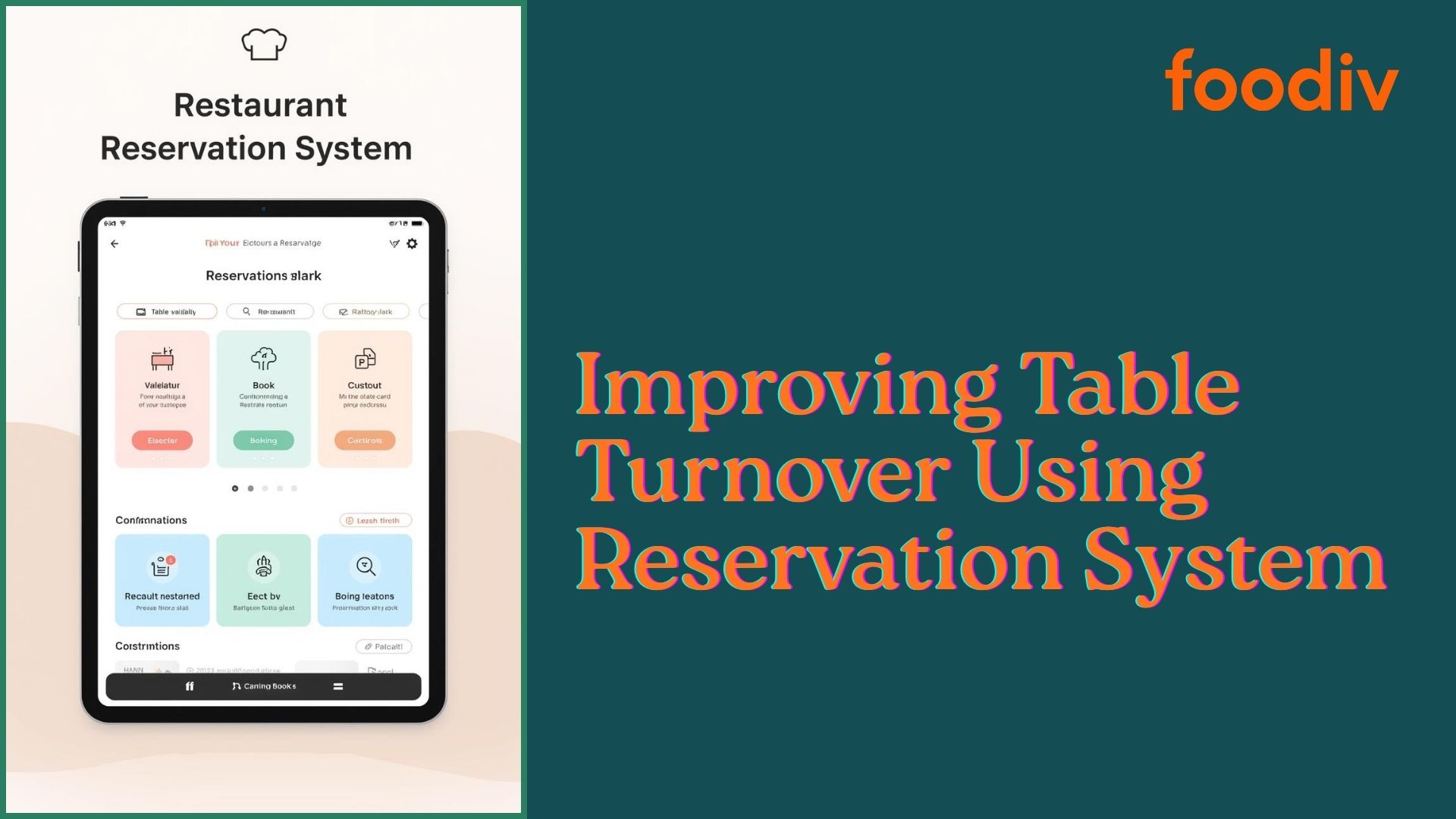
A restaurant table reservation system is a digital tool that lets guests book a table in advance and helps restaurants manage those bookings in one place.
Instead of answering calls or writing names in a notebook, reservations are handled automatically. Guests choose when they want to dine. The system checks availability. The booking is recorded instantly.
The difference from manual bookings is reliability.
With phone based reservations, details live in someone’s memory or on paper. That leads to missed calls, double bookings, and confusion during busy hours. Digital reservation systems track everything in real time. Availability stays accurate. Changes are visible to the entire team. Nothing gets lost between shifts.
These systems are used by more than just high end restaurants.
- Small cafés use them to reduce phone interruptions
- Busy casual dining spots rely on them during peak hours
- Fine dining restaurants use them to control pacing and guest flow
- Multi location brands use them for consistency and reporting
At a basic level, a table reservation system gives restaurants structure and gives guests certainty. Both sides know what to expect before anyone walks through the door.
How Restaurant Table Reservation Systems Work
A table reservation system looks simple from the outside. A guest books a table. The restaurant confirms it. But behind that simplicity is a set of rules and processes that keep everything organized.
Understanding how the system works removes a lot of uncertainty. It shows why these tools are reliable and why they scale better than manual methods.
The Online Booking Flow
Everything starts with the guest.
The booking process usually follows a clear sequence:
- The customer selects a date, preferred time, and party size
- The system checks real time table availability
- Available slots are shown instantly
- The guest confirms the booking
Once confirmed, the reservation is stored in the system and reflected across all staff views. There is no delay and no manual entry required.
This is what makes online booking dependable. Availability is always current, and guests only see options the restaurant can actually support.
Table Allocation and Seating Management
After a reservation is made, the system assigns it to a table or group of tables based on predefined rules.
This happens automatically and takes several factors into account:
- Matching the party size to suitable tables
- Tracking how long tables are expected to stay occupied
- Preventing overlapping bookings for the same table
Turn time management is a key part of this process. By estimating how long a table will be in use, the system avoids stacking reservations too close together. That reduces pressure on staff and keeps service paced properly.
Because availability updates in real time, overbooking is largely eliminated. The system will not accept reservations once capacity is reached.
Staff and Admin Management
For restaurant teams, everything is managed through a central dashboard.
From this view, staff can:
- See all reservations for the day at a glance
- Edit bookings when guests call with changes
- Override system rules when special situations arise
- Add walk ins without disrupting existing reservations
Walk ins are handled alongside online bookings, not separately. When a walk in is added, availability updates immediately. This keeps the system accurate even during busy service periods.
Customer Notifications and Reminders
Communication continues after a reservation is made.
Most systems automatically handle:
- Confirmation messages sent right after booking
- Reminder alerts before the reservation time
- Simple options for guests to cancel or modify their booking
These messages reduce missed reservations and give guests control if plans change. For restaurants, this means fewer no shows and fewer last minute surprises.
When all these parts work together, reservations stop being reactive. The system creates clarity, keeps everyone aligned, and allows the restaurant to focus on service instead of logistics.
Why Restaurants Need a Table Reservation System
A reservation system is not just about taking bookings. It changes how a restaurant runs day to day. The impact shows up in revenue, staff efficiency, and guest satisfaction.
Here is where that impact becomes clear.
Reducing No Shows and Cancellations
No shows cost more than an empty chair. They disrupt planning, waste staff time, and reduce revenue during peak hours.
Reservation systems help limit this problem in a few practical ways:
- Automated reminders prompt guests before their reservation
- Clear confirmation steps reduce accidental bookings
- Optional deposit or reconfirmation logic sets expectations
When guests are reminded and asked to confirm, they are far more likely to show up or cancel in advance. That gives restaurants time to reopen the table instead of losing it.
Better Table Utilization
Empty tables during busy hours are rarely caused by lack of demand. They are usually the result of poor timing and manual tracking.
A reservation system improves table usage by:
- Managing seat turnover based on realistic dining times
- Spacing reservations to avoid bottlenecks
- Showing real time capacity across the floor
This makes it easier to seat more guests without rushing service or overwhelming staff. Tables work harder without the room feeling chaotic.
Improved Guest Experience
From a guest’s point of view, convenience matters.
Reservation systems support that by offering:
- 24 by 7 online booking without phone calls
- Clear confirmation and reminders
- Fewer errors at arrival
When guests arrive knowing their table is ready, the experience starts on a positive note. Fewer booking mistakes also mean fewer awkward conversations at the host stand.
Operational Efficiency for Staff
Front of house teams are under constant pressure during service. Manual reservation handling adds unnecessary strain.
With a reservation system in place:
- Phone interruptions drop significantly
- Booking details are visible to everyone
- Errors caused by miscommunication are reduced
Staff spend less time managing reservations and more time focused on guests. Service flows better. Shifts feel more controlled.
The value of a reservation system shows up quietly but consistently. Fewer surprises. Better use of space. Happier guests. Less stress for staff.
Key Features to Look for in a Restaurant Reservation System
Not all reservation systems work the same way. Some solve real problems. Others add complexity without much return. Knowing what features actually matter makes it easier to choose a system that fits your operation.
Here are the core capabilities to look for.
Real Time Availability Management
This is the foundation of any reliable reservation system.
The system should:
- Update table availability instantly
- Prevent double bookings automatically
- Reflect changes made by staff or guests in real time
If availability is not accurate, everything else breaks down.
Custom Booking Rules
Every restaurant runs differently. A good system adapts to those differences instead of forcing a generic setup.
Look for the ability to:
- Set dining time limits by party size
- Control how far in advance guests can book
- Block specific times or tables when needed
These rules help maintain pacing and prevent overloading the kitchen or floor.
Table and Floor Plan Management
Visual control matters, especially during busy service.
A strong reservation system should allow:
- Clear table assignments
- Floor plan visibility for staff
- Easy adjustments when tables need to be combined or moved
When staff can see the floor clearly, decisions happen faster and with fewer mistakes.
Multi Location Support
For restaurants with more than one location, consistency becomes critical.
Multi location support should include:
- Centralized management across locations
- Location specific booking rules
- Unified reporting with individual location views
This keeps operations aligned while allowing flexibility where needed.
Reporting and Reservation Analytics
Reservations generate valuable data. The system should make that data usable.
Useful insights include:
- Peak booking times
- No show patterns
- Average turn times
These reports help restaurants plan staffing, adjust hours, and improve table usage over time.
Mobile and Tablet Access
Reservation management should not be tied to a single desk.
Mobile access allows staff to:
- Check reservations from the floor
- Make quick updates during service
- Stay informed without leaving guests
This flexibility is especially important during peak hours.
How to Choose the Right Table Reservation System for Your Restaurant
Choosing a reservation system is less about features on a list and more about how your restaurant actually operates. The right system fits your size, your service style, and the way your team works on a busy shift.
Here are the key factors to consider before making a decision.
Restaurant Size and Volume
Start with scale.
A small restaurant with limited seating has very different needs than a high volume dining room. Consider how many tables you manage, how often reservations turn over, and how complex your floor layout is.
A system that feels oversized for your operation will slow things down. One that is too basic may break under pressure.
Dine In Model and Peak Hours
Think about how guests flow through your restaurant.
Questions to ask include:
- Do you rely heavily on reservations or mostly walk ins
- Are your peak hours concentrated or spread out
- Do turn times vary by day or menu
The system should help manage your busiest moments, not just function during quiet periods.
Budget Considerations
Cost matters, but price alone should not drive the decision.
Look at:
- Monthly or annual fees
- Costs tied to booking volume or locations
- Value gained in reduced no shows and staff time
A cheaper system that causes errors or limits growth often costs more in the long run.
Ease of Staff Adoption
A reservation system is only useful if the team actually uses it.
Pay attention to:
- How intuitive the interface feels
- How quickly new staff can learn it
- Whether daily tasks are simple to complete
If the system adds friction during service, it will be ignored or worked around.
Scalability for Future Growth
Even if your restaurant is small today, plans change.
Choose a system that can:
- Handle higher booking volume
- Support additional locations
- Adapt to more complex reservation rules
Switching systems later is disruptive. Picking one that can grow with you avoids that problem.
The right reservation system supports how your restaurant runs today and leaves room for where it might go next. Clear priorities make the choice far easier.
Also Explore :
The Benefits of Using a Restaurant Billing System for Efficient Operations
8 Restaurant Software Types You Need to Run a Successful Restaurant
Best Restaurant Management Software to Streamline Your Operations in 2026
Kitchen Management Explained: How to Improve Kitchen Efficiency
How a Table Reservation System Helps Restaurants Increase Revenue
Final Thoughts
A table reservation system is no longer just a tool for taking bookings. It shapes how smoothly a restaurant operates, how efficiently staff work, and how confidently guests plan their visit. When reservations are managed clearly, fewer things go wrong. Tables are used better. Service feels more controlled. Guests arrive with the right expectations.
The value is not in adding more technology. It is in removing uncertainty. A well chosen reservation system replaces manual guesswork with structure and visibility. It helps restaurants stay organized during peak hours and adapt as demand grows.
When chosen thoughtfully, a reservation system becomes part of the daily rhythm of the restaurant. Quietly reliable. Easy to trust. And essential for running a modern dining experience.
FAQs about restaurant booking systems
Yes. Even small restaurants benefit from online reservations because they reduce phone interruptions, prevent booking mistakes, and give guests an easy way to secure a table without calling.
Yes. Many reservation systems integrate with POS software, allowing table status, timing, and service flow to stay aligned with what is actually happening on the floor.
They reduce no shows by sending automated reminders and confirmations, which prompt guests to show up on time or cancel early so the table can be reused.
Yes. Most online reservation systems use standard security measures to protect booking data and ensure guest information stays private and controlled.