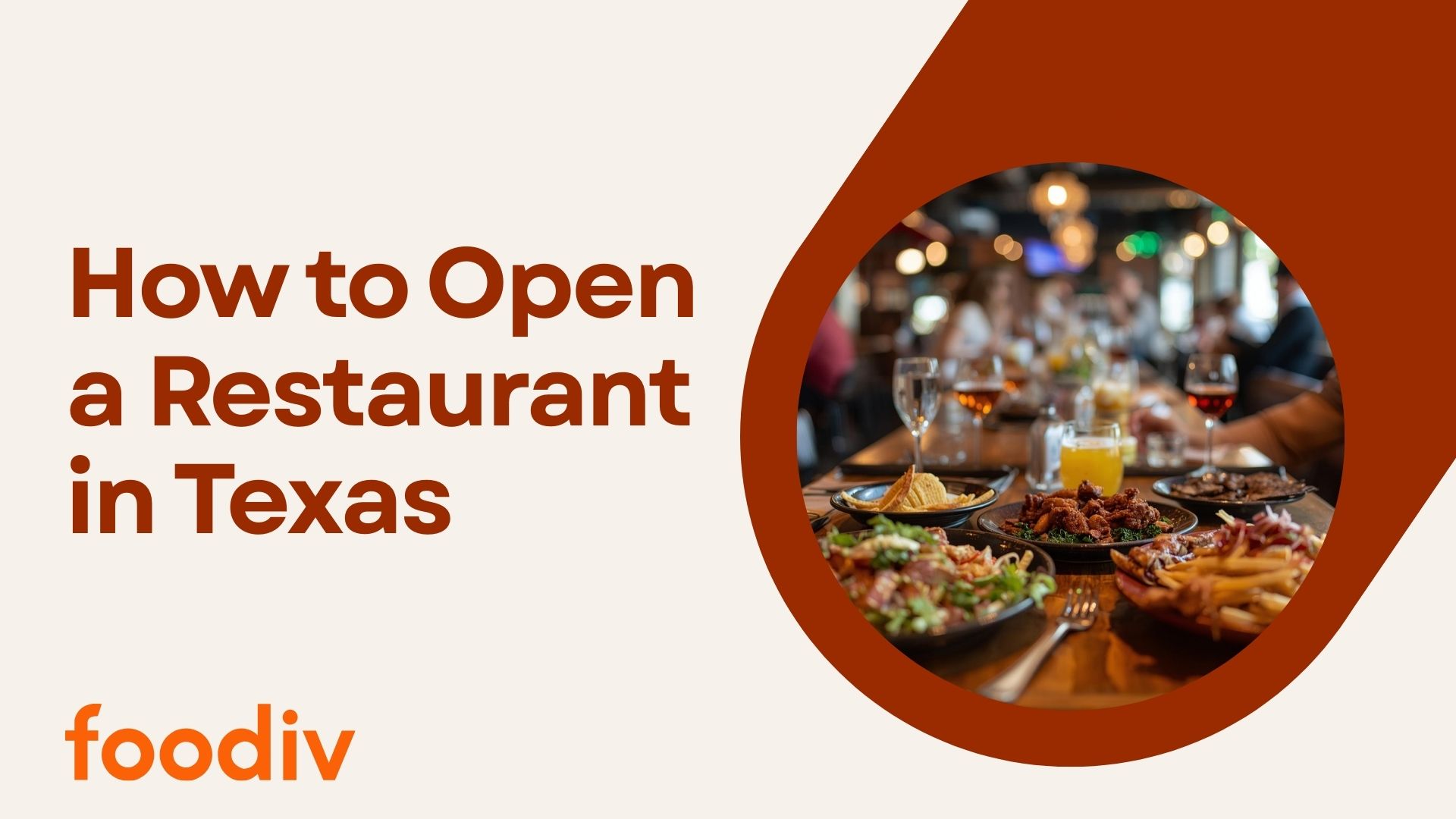
Texas is one of the most attractive places in the US to open a restaurant. The population keeps growing. Cities keep expanding. Dining demand stays strong across urban centers, suburbs, and smaller towns. From food trucks in Austin to upscale dining in Dallas and high-volume concepts in Houston, the opportunity is real.
Here’s the thing. Texas is also crowded. New restaurants open every week, and many close just as fast. Competition is intense. Costs are rising. Local rules vary by city and county. Success is less about passion and more about preparation. Planning early and planning right makes the difference.
This guide breaks the process down step by step. You will learn how to choose the right concept, understand the Texas market, handle licenses and permits, plan finances, hire staff, and prepare for opening day. No theory. No fluff. Just a clear path to opening a restaurant in Texas in 2026.
Know: How to Open a Restaurant in Florida
Step 1: Define Your Restaurant Concept
Before you think about permits or locations, you need to be clear on one thing. What exactly are you opening, and why does it belong in Texas?
Here’s the thing. A restaurant concept is not just the food. It is how people discover you, how often they come back, and whether the numbers work over time. A clear concept keeps you from making random decisions later when costs start adding up.
Let’s break it down.
Choose Your Restaurant Type
Texas gives you a lot of options, but each format comes with different risks and expectations. The right choice depends on budget, location, and how people already eat in that area.
Common restaurant types in Texas include:
- Dine in restaurants that rely on foot traffic and repeat local customers
- Quick service spots built for speed, volume, and takeout
- Food trucks that work best in flexible, event driven cities like Austin
- Cloud kitchens focused on delivery and lower upfront costs
- Cafes built around daily routines like coffee, breakfast, or casual meetings
- Bars where atmosphere and timing matter as much as the menu
What this really means is you should choose a format that fits your reality, not just your idea. A full dine in setup looks great, but it also comes with higher rent, more staff, and longer build time.
Identify Your Target Customers
Now get specific about who you are serving. Not in theory. In real life.
Ask yourself:
- Who will order from you most often
- What time of day they are likely to visit or order
- How much they are comfortable spending per meal
- Whether they value speed, experience, or convenience
Office workers, families, students, and late night delivery customers all behave differently. Their expectations around price, portion size, and service are not the same. If your concept tries to please all of them, it usually ends up pleasing none.
Clear customer focus helps you set the right pricing, menu size, and service style from the start.
Validate Demand in the Texas Market
Texas is not one market. Austin does not behave like Dallas. Houston does not move like San Antonio. Even neighborhoods within the same city can feel completely different.
Here is how to validate demand without overcomplicating it:
- Look at nearby restaurants that stay busy during peak hours
- Notice which cuisines keep opening and which ones keep closing
- Check delivery platforms to see what people order most in your area
- Pay attention to portion sizes, price ranges, and wait times
Local demand matters more than national trends. A concept that performs well in one Texas city can struggle a few miles away. Validating this early saves you from building something people were never asking for.
Once your concept is clear, everything else gets easier. Permits make more sense. Locations narrow down. Costs feel more predictable.
Step 2: Research the Texas Restaurant Market
Once your concept is clear, the next step is understanding where it actually fits. Not on paper. On the ground.
Here’s the thing. Texas is a big state with very different markets. A good idea in the wrong place can fail fast. Market research helps you avoid that mistake before it becomes expensive.
This step is about paying attention. To customers, competitors, and the rules that shape where you can operate.
Analyze Competitors in Your Area
Start by looking around, not guessing.
Visit restaurants that serve a similar audience. Go during lunch, dinner, and weekends. Notice what stays busy and what does not. Pay attention to how long people wait and how often tables turn.
Focus on:
- Menu pricing and portion sizes
- How many options they offer and how complex the menu is
- Foot traffic at different times of day
- Whether they compete on speed, experience, or price
What this really tells you is how customers are already spending their money. If several places are full at a certain price point, that is a signal. If similar concepts keep closing, that is one too.
Choose the Right City or Neighborhood
Not every Texas city rewards the same type of restaurant.
Austin leans toward casual dining, food trucks, and trend driven concepts. Dallas supports polished dine in restaurants and business focused locations. Houston thrives on volume, diversity, and delivery. San Antonio often favors family friendly pricing and traditional concepts.
Beyond the city, the neighborhood matters just as much.
- Office districts behave differently from residential areas
- College neighborhoods favor late hours and lower prices
- Suburbs depend on parking, convenience, and repeat visits
The best location is not always the busiest one. It is the one that matches how your target customers already live and eat.
Understand Local Zoning Rules
Before you fall in love with a location, check whether a restaurant is even allowed there.
Texas cities use zoning rules to control where commercial activity can operate. These rules decide if you can open a restaurant, add outdoor seating, serve alcohol, or run late hours.
At a basic level, you need to confirm:
- The property is zoned for restaurant or food service use
- Parking requirements are met
- Any special use permits are in place if needed
Zoning rules are handled at the city level, not statewide. What works in one city may require extra approvals in another. Checking this early saves time and prevents costly surprises later.
Step 3: Create a Restaurant Business Plan
Once you understand the market, it is time to put everything on paper. Not to impress anyone. To see if the idea actually works.
Here’s the thing. A restaurant business plan is less about predictions and more about clarity. It forces you to think through decisions before money is on the line. When something feels unclear in the plan, it will usually feel worse in real life.
Let’s break down what matters.
Key Sections of a Restaurant Business Plan
A solid plan does not need to be long, but it does need to be complete. Each section should answer a simple question.
Your business plan should cover:
- Concept. What you are offering and why it fits the market
- Menu. Core items, pricing logic, and menu size
- Pricing. Average ticket size and how prices support your costs
- Operations. Hours, staffing needs, and daily workflow
- Marketing. How people will discover and choose your restaurant
- Finances. Startup costs, monthly expenses, and expected revenue
If you cannot explain any of these clearly, that is a signal to pause and refine the idea.
Startup Cost Estimates for Texas Restaurants
Startup costs vary widely in Texas, but there are common categories you should account for early.
Typical expenses include:
- Rent and security deposits
- Licenses and permits at city and state levels
- Kitchen equipment, furniture, and smallwares
- Initial inventory and supplies
- Hiring and training staff
- Technology such as POS, online ordering, and payment systems
What this really means is you should plan for more than the build-out. Cash flow matters before and after opening day.
Revenue and Profit Planning
This is where optimism meets reality.
Start with simple questions. How many orders can you handle per day. What is the average spend per customer. How many days per week are you open. From there, you can estimate monthly revenue.
Next, look at margins. Food costs, labor, rent, and overhead will take a large share. Profit comes from controlling those numbers consistently, not from one busy weekend.
Your break-even timeline matters. Many Texas restaurants take several months to stabilize. Planning for that period helps you avoid running out of cash before the business finds its rhythm.
When the plan feels realistic on paper, you are in a much better position to move forward.
Step 4: Choose a Legal Business Structure in Texas
This step is not exciting, but it matters more than most people expect. Your legal structure affects taxes, liability, and how much personal risk you carry if something goes wrong.
Here’s the thing. Many restaurant owners rush through this part and regret it later. Taking time now can save you serious trouble down the road.
Common Business Structures
Texas allows several business structures, but a few are used most often in restaurants.
The most common options are:
- Sole proprietorship. Simple to set up, but your personal assets are fully exposed
- Partnership. Shared ownership, shared responsibility, and shared risk
- Limited liability company. Often preferred because it separates personal and business liability while staying flexible
- Corporation. More complex, usually chosen for larger operations or multiple investors
What this really means is you should choose a structure that matches your risk tolerance, growth plans, and ownership setup. Many small restaurant owners lean toward an LLC, but it is not the right answer for everyone.
Registering Your Business in Texas
Once you choose a structure, you need to register the business with the state.
In Texas, this is handled through the Secretary of State. You will file formation documents, select a business name, and list ownership details. If your restaurant will operate under a different name than the legal entity, you may also need to file an assumed name.
This step makes your business official. Without it, you cannot open business bank accounts, sign leases properly, or move forward with licenses.
Get an EIN and Texas Tax ID
After registration, you need tax identification numbers.
An Employer Identification Number is required at the federal level. It is used for hiring employees, filing taxes, and opening business accounts. Texas also requires a state tax ID for sales tax and other applicable taxes.
These numbers connect your restaurant to tax agencies and allow you to operate legally. It is paperwork, but it is necessary groundwork for everything that follows.
When this step is complete, your restaurant exists as a legal entity.
Step 5: Secure Funding and Capital
At some point, the numbers stop being theoretical. You need real money to move forward.
Here’s the thing. Most restaurant problems are cash flow problems in disguise. Funding is not just about opening the doors. It is about having enough runway to survive the first few months while the business finds its pace.
This step is about choosing the right source of capital, not just the fastest one.
Self Funding and Personal Savings
Many restaurants start this way. It is simple and gives you full control.
The upside is flexibility. You do not answer to lenders or investors. Decisions stay in your hands. The downside is risk. If costs run higher than planned or revenue starts slow, personal savings can disappear quickly.
Self funding works best when:
- Startup costs are manageable
- You have a cash buffer beyond opening day
- You are comfortable carrying the full financial risk
Being honest about how much you can afford to lose is part of smart planning.
Bank Loans and SBA Loans
Traditional loans are common for Texas restaurants, especially when paired with a solid business plan.
Banks and SBA backed loans typically look for:
- A detailed business plan with realistic numbers
- Good personal and business credit history
- Proof of experience or strong management support
- Personal investment in the business
Loan approval takes time. Interest rates, repayment terms, and collateral all matter. What this really means is you should prepare early and avoid assuming approval is guaranteed.
Investors and Alternative Funding Options
Some owners bring in outside capital to reduce personal risk or accelerate growth.
This can include:
- Angel investors who believe in the concept and team
- Partnerships where ownership and responsibility are shared
- Crowdfunding, often tied to strong community support
Outside funding brings more resources, but it also brings shared decision making. Clear agreements matter. Misaligned expectations can create tension later, even when the restaurant is doing well.
The right funding mix depends on your goals, risk tolerance, and timeline.
Once funding is in place, you are ready to move toward permits, locations, and setup.
Step 7: Find and Set Up Your Restaurant Location
By now, the concept and numbers should guide your location choice. This is not about finding the prettiest space. It is about finding a space that supports how your restaurant will actually operate.
Here’s the thing. A great location can help a decent concept succeed. A bad location can sink a strong one. The goal is alignment, not perfection.
Leasing vs Buying Property
Most first time restaurant owners lease. It keeps upfront costs lower and gives you flexibility if the concept needs to evolve.
Leasing makes sense when:
- You want to conserve capital for operations
- You are testing a new concept or market
- You need flexibility to move or expand later
Buying property ties up more cash but offers long term stability. It can work for owners with strong funding and clear plans to stay in one location for years.
What this really means is you should choose the option that protects cash flow in the early stages.
Kitchen Layout and Equipment Planning
Your kitchen should support speed, consistency, and safety. Not just look good.
Start with workflow. Orders should move smoothly from prep to cooking to service without crossing paths or causing delays. Poor layout leads to slower service, higher labor costs, and frustrated staff.
Plan for:
- Equipment placement that matches your menu
- Enough prep space for peak hours
- Proper ventilation and fire safety compliance
- Room for growth without overcrowding
A well planned kitchen reduces mistakes and makes training easier.
Utilities, Waste Management, and Accessibility
These details are easy to overlook and expensive to fix later.
Before signing anything, confirm:
- Electrical, gas, and water capacity meet kitchen needs
- Grease traps and drainage comply with local rules
- Trash and recycling access is adequate and convenient
- Restrooms and entrances meet accessibility requirements
What this really comes down to is readiness. A location that looks perfect but fails these checks can delay opening and inflate costs.
When the space supports operations, everything else runs smoother.
Step 8: Hire and Train Your Restaurant Staff
Your menu and location matter, but your staff shapes the daily experience. The way food is prepared, served, and handled depends on the people you hire and how well they are trained.
Here’s the thing. Most early restaurant problems show up through staffing. Slow service, inconsistent food, and poor reviews usually trace back to unclear roles or weak training. Getting this step right early saves constant fixes later.
Staffing Requirements by Restaurant Type
Staffing needs change based on how your restaurant operates. A full dine in restaurant needs more front of house support. A quick service or delivery focused setup leans heavier on kitchen efficiency.
At a basic level, most restaurants need:
- Front of house staff for order taking, service, and customer interaction
- Kitchen staff for prep, cooking, and cleaning
- Management to handle scheduling, inventory, and daily decisions
Start lean. Overstaffing raises costs quickly. Understaffing hurts service and morale. The goal is balance, with room to scale as demand grows.
Texas Labor Laws to Know
Texas follows federal labor standards, but you still need to understand the rules that affect daily operations.
Key areas to plan for include:
- Minimum wage requirements and tip credit rules
- Overtime pay for eligible employees
- Proper classification of employees versus contractors
Misclassifying staff or missing overtime obligations can lead to penalties and back pay. What this really means is you should set payroll and scheduling systems correctly from day one.
Training for Service and Food Safety
Training is not a one time task. It is an ongoing process.
Every team member should understand:
- Food safety and sanitation standards
- Their role during busy service periods
- How to handle customer issues calmly and consistently
Consistent training protects your license, your reputation, and your margins. When everyone follows the same standards, service feels smoother and more reliable.
Strong teams are built, not hired.
Step 9: Set Up Restaurant Technology and Systems
Technology is no longer optional. In 2026, it shapes how orders move, how money is tracked, and how smoothly the restaurant runs day to day.
Here’s the thing. Good systems reduce stress. Bad systems create constant friction. The goal is not more tools. It is the right ones working together.
POS and Billing Systems
Your POS sits at the center of operations. Every order, payment, and report flows through it.
A reliable POS helps with:
- Accurate order entry and fewer mistakes
- Faster checkout during peak hours
- Clear sales reports by item, day, and channel
What this really means is visibility. When numbers are easy to see, decisions get easier to make.
Online Ordering and Delivery Setup
Online ordering is now a core sales channel, not an add on.
You have two main paths:
- Direct online ordering through your own website or food ordering system that is based in the USA
- Third party delivery platforms that offer reach but take commissions
Direct orders give you better margins and customer data. Third party platforms bring exposure but reduce control. Most Texas restaurants use a mix, then shift focus toward direct orders over time.
The key is making ordering simple for customers while keeping costs predictable for you.
Inventory and Kitchen Management Tools
Food costs can quietly drain profit if they are not tracked well.
Inventory and kitchen tools help you:
- Monitor ingredient usage and reduce waste
- Plan purchasing based on real demand
- Keep prep and cooking organized during busy shifts
Efficient kitchens rely on software solutions that support consistency, not guesswork. When inventory is controlled and workflows are clear, margins improve without raising prices.
Step 10: Plan Your Restaurant Marketing Strategy
Marketing is not something you turn on after opening. It starts earlier than most people expect.
Here’s the thing. If people do not know you are opening, they will not show up. A simple, consistent plan helps you build awareness before the doors open and momentum after they do.
Pre Launch Marketing Ideas
Start talking before you start serving.
Pre launch efforts help you test interest and build familiarity in the neighborhood. You do not need big budgets. You need visibility.
Focus on:
- A soft opening with limited hours or invited guests
- Posting progress updates on social platforms
- Engaging nearby businesses and residents
- Collecting early feedback before full launch
These early signals help you adjust before reviews start piling up.
Digital Marketing for Texas Restaurants
Most customers will find you online first.
Make sure the basics are covered:
- A complete Google Business profile with accurate hours and photos
- Active social media accounts that show real food and real moments
- Location focused SEO so nearby customers can find you easily
What this really means is consistency. Clear information and regular updates matter more than chasing every new platform.
Grand Opening Promotions
Your opening is a chance to create a reason to visit, not just an announcement.
Effective opening ideas include:
- Limited time offers or opening week specials
- Small launch events that feel welcoming, not overwhelming
- Partnerships with local businesses or creators
The goal is to turn first visits into repeat customers. A strong opening sets the tone for how your restaurant is remembered.
Step 11: Prepare for Opening Day
Opening day is not about perfection. It is about readiness.
Here’s the thing. Most issues show up in the final stretch. Small details get missed. Schedules shift. Something breaks at the last minute. Preparing properly helps you handle those moments without panic.
Final Inspections and Licenses Checklist
Before you serve your first customer, make sure the legal and operational basics are locked in.
Do a final review of:
- Health department approvals and food safety certifications
- Fire and safety inspections
- Sales tax and business registrations
- Alcohol licenses, if applicable
- Employee paperwork and training records
This last check is not busywork. Missing a permit can delay opening or shut you down during the first week.
Soft Opening vs Grand Opening
A soft opening gives you space to learn without pressure.
It allows you to:
- Test kitchen flow and service timing
- Train staff in real conditions
- Fix small problems before reviews go public
A grand opening comes later, once systems feel stable and the team is confident. Some restaurants rush straight into it and regret the attention. Others use a soft opening to build momentum quietly.
What this really means is you should open when you are ready, not when you are rushed. A controlled start sets you up for a stronger launch and a smoother first month.
Common Mistakes to Avoid When Opening a Restaurant in Texas
Most restaurant closures are not caused by bad food. They happen because of small decisions that stack up over time. The good news is that many of these mistakes are predictable and avoidable.
Here are the ones that show up again and again across Texas.
Underestimating the Budget
This is the most common problem by far.
Many owners budget for construction and opening week, then underestimate what it takes to operate during the first few months. Rent does not pause. Payroll continues. Inventory needs replenishing. Marketing still costs money even when sales are slow.
Restaurants rarely hit steady revenue right away. Planning extra runway gives you room to learn, adjust, and recover without making rushed decisions.
Ignoring Local Regulations
Texas may feel business friendly, but local rules still matter.
Health inspections, zoning requirements, signage rules, and operating permits are handled at the city or county level. Skipping one step or assuming approval carries over can delay your opening or create issues after launch.
The safest approach is simple. Verify everything locally before committing to a space or timeline.
Choosing the Wrong Location
A location can look perfect on paper and still fail in practice.
High traffic areas often come with high rent and tight competition. Some locations lack parking. Others attract the wrong type of customer for your pricing or service style.
The best locations support how your customers already behave. When access, visibility, and convenience align with your concept, everything else becomes easier.
Relying on a Weak Marketing Plan
Many restaurant owners assume good food will carry the business.
Here’s the reality. People cannot choose you if they do not know you exist. A quiet opening with no visibility often leads to empty dining rooms and slow starts.
Marketing does not need to be flashy. It needs to be consistent. Clear online presence, local awareness, and steady communication help turn first visits into repeat business.
Avoiding these mistakes will not guarantee success. But it will remove some of the most common reasons restaurants struggle in Texas.
Final Thoughts on Opening a Restaurant in Texas
Opening a restaurant in Texas is a big move. It takes more than a good idea and a strong menu. It takes planning, patience, and a willingness to learn before the doors ever open.
The process works best when it is taken step by step. Defining a clear concept. Understanding the local market. Getting the legal and financial details right. Building a team and systems that support daily operations. Each part connects to the next. Skipping one usually creates problems later.
Texas offers real opportunity. The customer base is diverse. Dining demand stays strong. New concepts continue to find space across cities and neighborhoods. But the market rewards preparation, not shortcuts. Restaurants that plan carefully, follow local rules, and execute with consistency are the ones that last.
When the foundation is solid, growth becomes possible. Not just in opening week, but over time. And that is what turns a restaurant from an idea into a business that can thrive in Texas.