New York is one of the most competitive and rewarding restaurant markets in the world. Every neighborhood offers opportunities for food entrepreneurs to build a successful business. Customers expect quality, safety, and consistency from every food service establishment. This makes proper legal setup the first step toward long term success.
Opening a restaurant in New York requires more than a great concept and location. Every food business must follow strict state and city regulations before serving customers. Licenses and permits protect public health and ensure that restaurants operate within legal standards.
Understanding these requirements before launch helps avoid delays, penalties, and unexpected costs. A clear compliance path makes the opening process smoother and builds trust with authorities and customers from day one.
Step 1- Choose Your Restaurant Concept in New York
The first step in opening a restaurant in New York is clearly defining your concept. This decision shapes your menu, service style, kitchen setup, and customer experience. Your concept also plays a major role in determining the type of licenses and permits you will need to operate legally.
Dine in Takeaway Delivery and Ghost Kitchen Models
A restaurant concept begins with how food will be prepared and served to customers. A dine in restaurant focuses on table service, seating layout, and guest experience. This model requires planning for dining space, front of house operations, and service staff. It also influences seating capacity approvals, restroom requirements, and safety standards.

Takeaway and delivery focused restaurants are built around speed and efficiency. These concepts rely on streamlined kitchens, packing stations, and order handling systems. Food safety, storage conditions, and packaging standards become top priorities in this model.
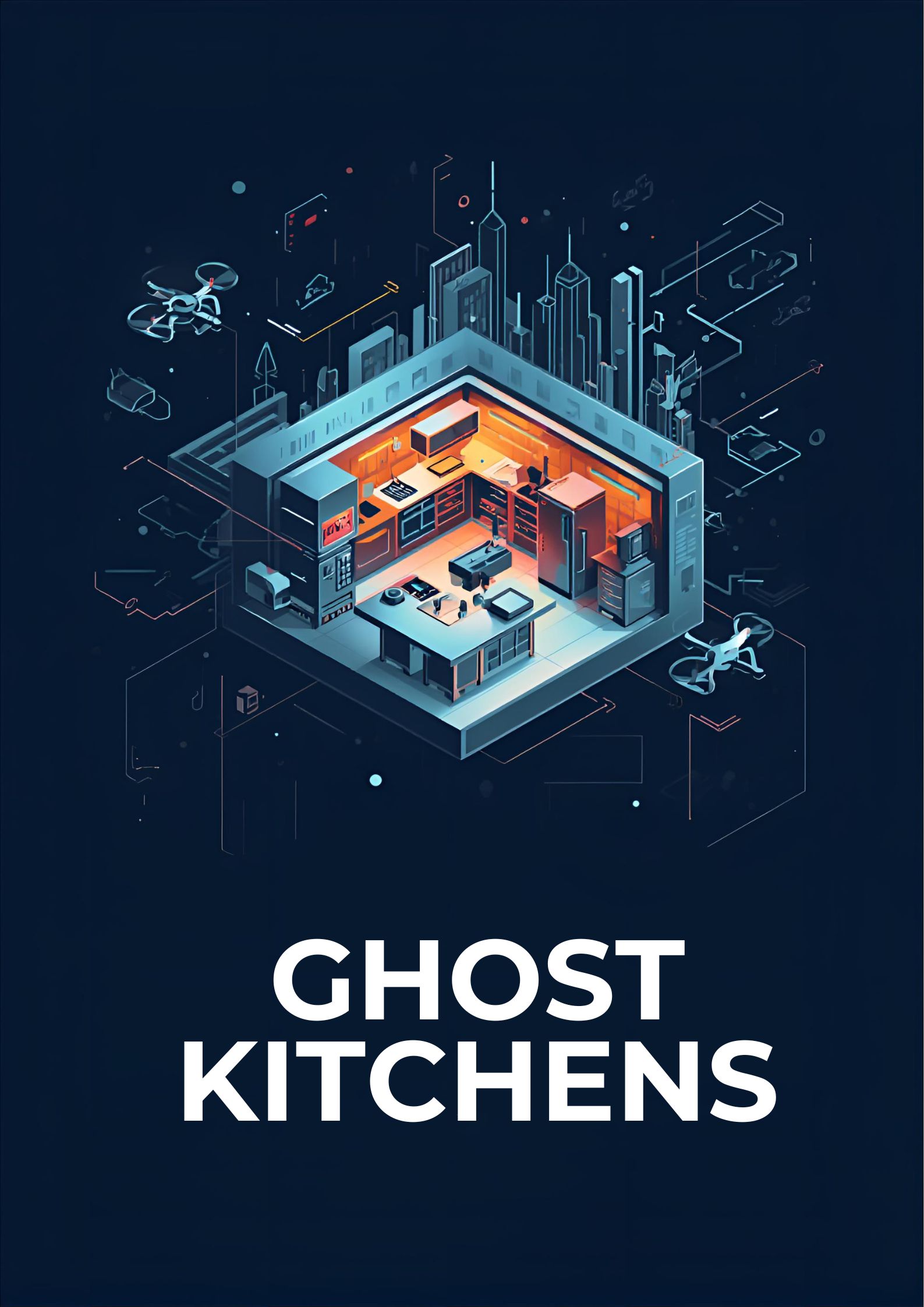
Ghost kitchens operate without customer seating and serve only online orders. These kitchens focus entirely on production and delivery efficiency. While they avoid public dining space requirements, they must still meet strict food handling and sanitation standards. Choosing the right service model helps define your operating structure from the start.
Concept Based Licensing Implications
Your chosen concept has a direct impact on the licenses and permits required in New York. A full service restaurant needs approvals related to dining space, staffing, and customer safety. If alcohol is served, additional licensing from state authorities becomes mandatory.
Takeaway and delivery only concepts may avoid seating related permits but still require food service establishment approval and health department inspections. Ghost kitchens may fall under different zoning classifications depending on location and shared kitchen arrangements.
Outdoor dining introduces separate sidewalk usage permits and local zoning approvals. Even the type of cooking method used can influence fire safety and ventilation requirements.
Defining the concept early helps avoid compliance issues later. It also prevents delays during inspections and ensures all regulatory steps match your business vision from the beginning.
Step 2- Create a Restaurant Business Plan for New York
A restaurant business plan links your financial preparation with legal readiness. It ensures that licensing and compliance costs are included from the beginning. This plan also helps avoid approval delays and budget disruptions during launch.
Startup Cost Planning for Licenses and Permits
- Food service permits require separate application fees that must be paid before opening.
- Health department approvals involve inspection charges and certification costs.
- Fire safety permits and equipment inspections add to early compliance expenses.
- Sales tax registration and business registration require state level processing fees.
- Liquor licenses create one of the highest startup costs for restaurants that serve alcohol.
- Outdoor dining permits increase costs based on seating size and sidewalk usage.
- Signage permits apply to both exterior and interior promotional displays.
- Professional services such as architects and compliance consultants often support paperwork.
- Legal consultations may be required for lease and regulatory verification.
- Underestimating permit expenses can delay opening and affect working capital.
Including all licensing expenses in early budgeting protects cash flow. It also prevents rushed funding during the final approval phase.
Regulatory Cost Forecasting
- Many New York restaurant permits require yearly renewals with standard fees.
- Health department certifications must be maintained through periodic inspections.
- Fire safety approvals often involve recurring inspection costs.
- Waste disposal and grease trap permits carry service and renewal charges.
- Liquor licenses demand annual renewal payments and compliance validation.
- Outdoor dining permits may vary by season and local policy updates.
- Inspection violations can lead to fines that impact operating profit.
- Late renewals can result in temporary shutdown orders.
- Insurance renewals linked to regulatory compliance affect yearly expenses.
- Accurate cost forecasting supports long term financial stability.
Planning for recurring regulatory costs reduces business risk. It also improves long term compliance control and investor confidence.
Step 3- Research Required Restaurant Software and Systems
The right restaurant software supports both daily operations and legal compliance in New York. It helps maintain accurate records, manage taxes, and prepare for inspections. Software selection should match regulatory and reporting needs from the start.
POS and Sales Tax Compliance
A POS system acts as the financial backbone of a restaurant. In New York, it must record every sale with complete accuracy. Sales tax must be calculated automatically based on state and city rules. This reduces the risk of underpayment or reporting errors. Digital transaction records help during audits and inspections. Daily sales summaries improve financial transparency. Secure payment processing protects customer information and reduces fraud risk. A compliant POS system also simplifies monthly and yearly tax filing. It ensures that all revenue is properly documented and available when required by tax authorities.
Online Ordering and Digital Record Keeping
Online food ordering systems generate important compliance related data for modern restaurants. Every order creates a time stamped digital record. These records support health inspections and delivery audits. Digital storage reduces the risk of lost paperwork. It also improves access to transaction history when inspections occur. Customer data must follow privacy and security standards. Proper access control keeps sensitive information protected. Cloud based systems help store records safely for long periods. Digital documentation improves traceability and strengthens regulatory confidence during reviews.
Explore: How Cloud-Based Billing Software Benefits Multi-Outlet Restaurants
Step 4- Secure Financing for Licensing and Setup
Financing plays a critical role in completing all legal approvals on time. Many restaurant owners underestimate how much capital is required to cover early compliance expenses. Proper funding ensures that permits and inspections move forward without delays.
Permit and Inspection Cost Coverage
Securing funds for permits and inspections must be planned before applications begin. These costs are unavoidable and must be paid upfront in most cases. Many approvals will not move forward without proof of payment.
- Food service establishment permits require fixed application fees.
- Health department inspections involve certification costs.
- Fire safety inspections add additional compliance expenses.
- Building and occupancy approvals may require engineering reviews.
- Outdoor dining permits increase costs based on location and seating size.
- Liquor licensing involves both application and processing charges.
These costs can increase quickly when multiple agencies are involved. Setting aside a dedicated compliance budget helps avoid pauses in the approval process. It also keeps project timelines stable.
Proof of Funds for State Applications
Several New York state approvals require proof that the business has enough capital to operate responsibly. Authorities want to confirm that the restaurant can meet safety and operational obligations.
Banks often provide financial statements or letters showing available funds. These documents support liquor license applications and long term lease approvals. Investors may also issue funding certificates that confirm secured capital.
- Proof of funds builds credibility with licensing authorities.
- It supports financial stability during inspections.
- It reduces the risk of application rejection.
- It strengthens landlord trust during lease agreements.
Clear financial documentation improves approval speed and protects the restaurant from regulatory setbacks.
Step 5- Choose a Compliant Restaurant Location in New York
Choosing the right location is one of the most important legal steps in opening a restaurant. The location determines zoning approvals, occupancy limits, and inspection requirements. A compliant site reduces the risk of permit rejection and long approval delays.
Zoning Laws and Certificate of Occupancy
Zoning laws decide whether a restaurant can legally operate at a specific address. New York has strict zoning rules based on neighborhood type and building classification. A restaurant must match the approved land use for that zone.
The Certificate of Occupancy confirms that a building is approved for restaurant operations. It also defines seating limits, kitchen use, and safety standards.
- Zoning approval must be verified before signing any lease.
- The Certificate of Occupancy must list restaurant or food use.
- Seating capacity is defined by occupancy approval.
- Changes in layout may require updated certification.
- Zoning violations can stop the licensing process.
Confirming zoning and occupancy approval protects the business from costly relocation or redevelopment after lease signing.
Lease Approval and Landlord Consent
A restaurant lease must support all licensing and operational requirements. Landlords often require proof that the tenant has secured the right permits before allowing construction or opening work to begin. Lease terms also affect inspection access and utility approvals.
Landlord consent is required for construction, ventilation installation, and utility modifications. Without written approval, permits may not be issued.
- Lease agreements must allow restaurant operations.
- Utility usage must support kitchen equipment needs.
- Ventilation and exhaust permissions must be clearly defined.
- Outdoor seating rights must be addressed in the lease.
- Permit approval may depend on landlord authorization.
A clear lease agreement avoids future disputes and supports smooth approval from city agencies.
NYC Building Department Compliance
The New York City Building Department reviews construction, renovation, and safety standards for all restaurant properties. Any structural change requires official approval before work begins. This includes electrical, plumbing, and gas system upgrades.
Permit applications must match approved architectural plans. Inspections take place after construction to confirm compliance.
- Kitchen renovations require building permits.
- Gas line installation must be inspected and approved.
- Electrical upgrades must meet safety codes.
- Plumbing work must pass sanitation standards.
- Final sign off is required before operation begins.
Building department compliance ensures that the restaurant meets structural safety rules and avoids shutdown orders during inspections.
Step 6- Apply for Required Restaurant Licenses and Permits in New York
This step forms the legal foundation of your restaurant business. Every approval must be secured before serving food to the public. Missing even one required permit can delay opening or lead to penalties.
Business Registration with New York State
Every restaurant must be legally registered with New York State before applying for operational permits. This registration confirms the official identity of the business and its ownership structure. It is the first document most licensing agencies request.
- Choose a legal structure such as sole proprietorship, partnership, or limited liability company.
- Register the business name with the state.
- File formation documents with the appropriate department.
- Obtain confirmation of registration for future applications.
Proper registration ensures that all licenses and tax records are issued under the correct legal entity.
Employer Identification Number
An Employer Identification Number is required for tax reporting and employee payroll. It is issued by the federal government and acts as the restaurant’s tax identity.
- Required for hiring staff.
- Needed to open a business bank account.
- Used for payroll tax reporting.
- Necessary for some state permit applications.
This number is essential for financial operations and regulatory filings.
Sales Tax Certificate of Authority
New York requires restaurants to collect sales tax on taxable food and beverage sales. The Sales Tax Certificate of Authority allows legal collection of this tax.
- Must be obtained before making any taxable sales.
- Required to file sales tax returns.
- Linked to the restaurant POS system.
- Subject to audit by tax authorities.
Operating without this certificate can lead to heavy fines and legal action.
Food Service Establishment Permit
This permit authorizes your restaurant to prepare and serve food to the public. It is issued only after the Health Department confirms compliance with sanitation standards.
- Required for all types of food businesses.
- Issued after successful kitchen inspection.
- Must be displayed at the restaurant location.
- Subject to renewal and routine inspections.
This permit is mandatory for legal food service operations in New York.
Food Protection Certificate
At least one supervisor in the restaurant must hold a valid Food Protection Certificate. This confirms that an individual understands food safety and hygiene practices.
- Required for kitchen management roles.
- Issued after completing approved training.
- Must be available during inspections.
- Valid for a fixed period before renewal.
This certificate helps prevent foodborne illnesses and supports public health compliance.
Liquor License from New York State Liquor Authority
Any restaurant that plans to serve alcohol must secure a liquor license from the state authority. This process involves strict background checks and community review.
- Different licenses apply for beer, wine, and full bar service.
- Processing time can take several months.
- Requires proof of location approval and zoning clearance.
- Subject to annual renewal and compliance checks.
Alcohol service without a valid license can result in immediate shutdown orders.
Sidewalk Cafe and Outdoor Dining Permits
Restaurants offering outdoor seating must obtain specific sidewalk and outdoor dining approvals. These permits regulate space usage and public access.
- Required for tables placed on sidewalks or outdoor areas.
- Issued based on neighborhood zoning rules.
- Seating limits are defined by local authorities.
- Subject to seasonal guidelines and renewal.
Outdoor dining without approval can result in fines and removal orders.
Signage and Advertising Permits
Exterior restaurant signage must meet city design and safety standards. Signage permits control placement, size, and lighting.
- Required for permanent exterior signs.
- Temporary banners may also need permission.
- Electrical signs require additional approval.
- Inspections confirm safe installation.
Unauthorized signage can lead to penalties and forced removal.
Waste Disposal and Grease Trap Permits
Restaurants must follow strict waste management and grease disposal rules. These permits protect sewer systems and the environment.
- Required for grease trap installation.
- Regulates waste collection frequency.
- Inspections ensure proper disposal methods.
- Violations can lead to sanitation fines.
Proper waste permitting helps maintain cleanliness and prevents plumbing system damage.
Step 7- Develop a Compliant Restaurant Menu
A restaurant menu must follow strict health and safety rules in New York. Compliance protects customers and supports smooth inspection approvals. Menu planning should always align with food handling and disclosure regulations.
Food Safety and Ingredient Label Standards
Food safety rules guide how ingredients are selected, stored, prepared, and served. Every item on the menu must be created using approved food sources. Ingredients must be handled in a way that prevents contamination and spoilage. Raw and cooked foods must be stored separately to maintain hygiene standards. Labels must reflect accurate ingredient use for prepared items. Frozen and packaged goods must display proper supplier information. Menu items must not include prohibited substances or unsafe additives. Inspectors review ingredient storage and preparation methods during health checks. A compliant menu supports safe operations and builds customer trust through consistent quality.
Allergen Disclosure Rules
Allergen disclosure is a critical part of menu compliance in New York. Customers must be clearly informed about the presence of common allergens such as nuts, dairy, eggs, soy, wheat, and shellfish. Menus should display allergen information in a clear and readable format. Staff must also be trained to answer allergen related questions accurately. Cross contact prevention procedures must be followed during food preparation. Kitchen teams must understand how allergens transfer between surfaces. Inspectors often verify allergen awareness during routine visits. Proper disclosure protects public safety and reduces the risk of liability issues for the restaurant.
Step 8- Purchase Equipment as Per New York Regulations
Restaurant equipment must meet strict safety and sanitation standards in New York. All installations are closely connected to permit approvals and inspection outcomes. Choosing compliant equipment from the start prevents costly changes during inspections.
Commercial Kitchen Equipment Standards
Commercial kitchens must use equipment that is approved for food service use. All appliances must be built for heavy duty operations and easy sanitation. Inspectors check equipment quality during health and safety reviews.
- Cooking equipment must be made of food grade materials.
- Refrigeration units must maintain safe temperature ranges.
- Dishwashers must meet sanitation temperature standards.
- Food preparation tables must be non absorbent and easy to clean.
- Storage racks must keep food off the floor.
Equipment placement must support smooth workflow and safe food handling. Using certified commercial equipment improves inspection outcomes and reduces operational risks.
Ventilation and Fire Suppression Compliance
Proper ventilation is required to control smoke, grease, and heat in the kitchen. Fire suppression systems protect both staff and property from cooking related fire hazards. These systems must meet city safety codes before approval.
- Exhaust hoods must be installed above cooking equipment.
- Fire suppression systems must cover all heat producing appliances.
- Automatic fire shut off systems are required in many kitchens.
- Routine system inspections are mandatory for continued approval.
Poor ventilation or faulty suppression systems can lead to permit denial. Proper installation ensures safety and supports uninterrupted restaurant operations.
Gas Electrical and Plumbing Approvals
Utility systems must be approved before a restaurant can begin operations. Gas, electrical, and plumbing installations are reviewed by city inspectors for safety and performance.
- Gas lines must be pressure tested and certified.
- Electrical wiring must meet commercial load requirements.
- Plumbing systems must support sanitation and waste disposal.
- Backflow prevention devices are required in many kitchens.
Utility inspections confirm that equipment operates safely. Final approvals are required before production equipment can be used for food preparation.
Step 9- Complete Health Department and Safety Inspections
Health inspections are mandatory before a restaurant can begin serving the public. These inspections verify food safety, sanitation, and staff hygiene standards. Without proper approval, a restaurant cannot legally operate in New York.
Pre Opening Health Inspection
The pre opening health inspection is conducted after the kitchen is fully set up and ready for use. Inspectors check whether the restaurant follows all food safety and sanitation rules. Only after passing this inspection can food service legally begin.
- All food storage areas must be clean and organized.
- Refrigeration units must show safe temperature levels.
- Hand wash stations must be fully functional.
- Food preparation surfaces must be sanitized.
- Cleaning supplies must be stored separately from food.
Inspection success depends on preparation and staff training. A clean and well organized kitchen improves the chances of immediate approval and prevents reopening delays.
Common Health Code Violations
Health code violations are one of the most common reasons for delayed restaurant openings. Many issues are preventable with proper planning and daily hygiene control. Inspectors focus on areas that directly affect food safety and public health.
- Improper food storage temperatures.
- Cross contact between raw and cooked food.
- Lack of hand washing facilities.
- Poor pest control measures.
- Unclean food preparation surfaces.
Even minor violations can result in re inspection requirements. Repeated violations may lead to fines or temporary closure orders. Regular internal checks help the kitchen stay inspection ready at all times.
Ongoing Inspection Cycles
Health inspections continue after the restaurant opens. These visits ensure that food safety standards are maintained throughout daily operations. Some inspections are scheduled while others are unannounced.
- Routine inspections occur at regular intervals.
- Follow up visits may be required after violations.
- Inspection results are recorded in public health systems.
- Repeated violations can affect restaurant ratings.
Maintaining high hygiene standards protects both customer safety and business reputation. Ongoing compliance also prevents legal penalties and operational disruptions.
Step 10- Plan a Legally Compliant Restaurant Launch
A restaurant launch in New York must follow strict legal display and clearance rules. Even after passing inspections, operations cannot begin until all documents are properly verified and displayed. A compliant launch protects the business from early penalties and forced shutdowns.
All License Display Requirements
New York law requires specific licenses and certificates to be publicly displayed inside the restaurant. These displays confirm that the business is legally approved to operate and has met health and safety standards.
- The food service establishment permit must be displayed in a visible area.
- The inspection grade or approval notice must be accessible to customers.
- The sales tax certificate must be available for review.
- The liquor license must be displayed if alcohol is served.
- The Food Protection Certificate must be kept on site.
Missing or hidden licenses can lead to immediate violations. Proper display builds customer trust and confirms legal compliance during surprise inspections.
Final Agency Clearance Checklist
Before opening day, all city and state agencies must complete their final approvals. Each department verifies that earlier conditions have been met and that no outstanding issues remain.
- Health Department approval must show clear operational status.
- Fire safety approval must confirm system functionality.
- Building Department sign off must confirm structural compliance.
- Utility approvals must confirm safe gas, water, and electrical usage.
- Waste disposal service must be active and documented.
A final review of all clearances ensures the restaurant is legally ready to serve customers. This step prevents last minute shutdowns and protects the launch investment.
Step 11- Build a Restaurant Website and Digital Presence
A restaurant website is not just a marketing tool in New York. It is also part of legal and tax compliance when online ordering is offered. Digital platforms must follow state rules for sales tax, customer disclosures, and data protection.
Sales Tax and Online Ordering Compliance
Online food sales in New York are subject to the same tax rules as in store transactions. Your website and ordering system must calculate and record sales tax accurately for every order. This ensures that tax filings remain correct and transparent.
- Sales tax must be applied based on delivery or pickup location.
- Digital receipts must include tax breakdown details.
- All online sales must be recorded in the POS system.
- Tax reports must match online and in store transactions.
- Refunds and cancellations must also be properly documented.
Incorrect online tax handling can lead to audit issues and penalties. A compliant ordering system protects the restaurant from financial and legal risk.
Consumer Data Protection Rules
Restaurants that collect customer information online must follow strict data protection standards. This includes names, contact details, payment information, and delivery addresses. Customers trust that their personal data will be handled securely.
- Secure payment gateways must be used for all online orders.
- Customer data must be stored in protected systems.
- Access to sensitive records must be limited to authorized staff.
- Privacy policies must clearly explain how data is used.
- Data breach prevention measures must be in place.
Failure to protect customer data can result in legal action and loss of trust. Strong digital security practices support long term business credibility.
Step 12- Final Review of Legal Readiness Before Opening Day
The final review confirms that every legal and operational requirement has been fully completed. This step ensures that no permit, license, or approval is missing before opening to the public. A thorough review reduces the risk of last minute shutdowns and compliance violations.
Before opening day, each approval should be checked for accuracy and validity. All documents must match the restaurant name, address, and operational details.
- All state and city licenses must be active and displayed.
- Health inspection approval must show current operational status.
- Fire safety clearance must be valid and documented.
- Building and occupancy approvals must be finalized.
- Sales tax registration must be confirmed in the system.
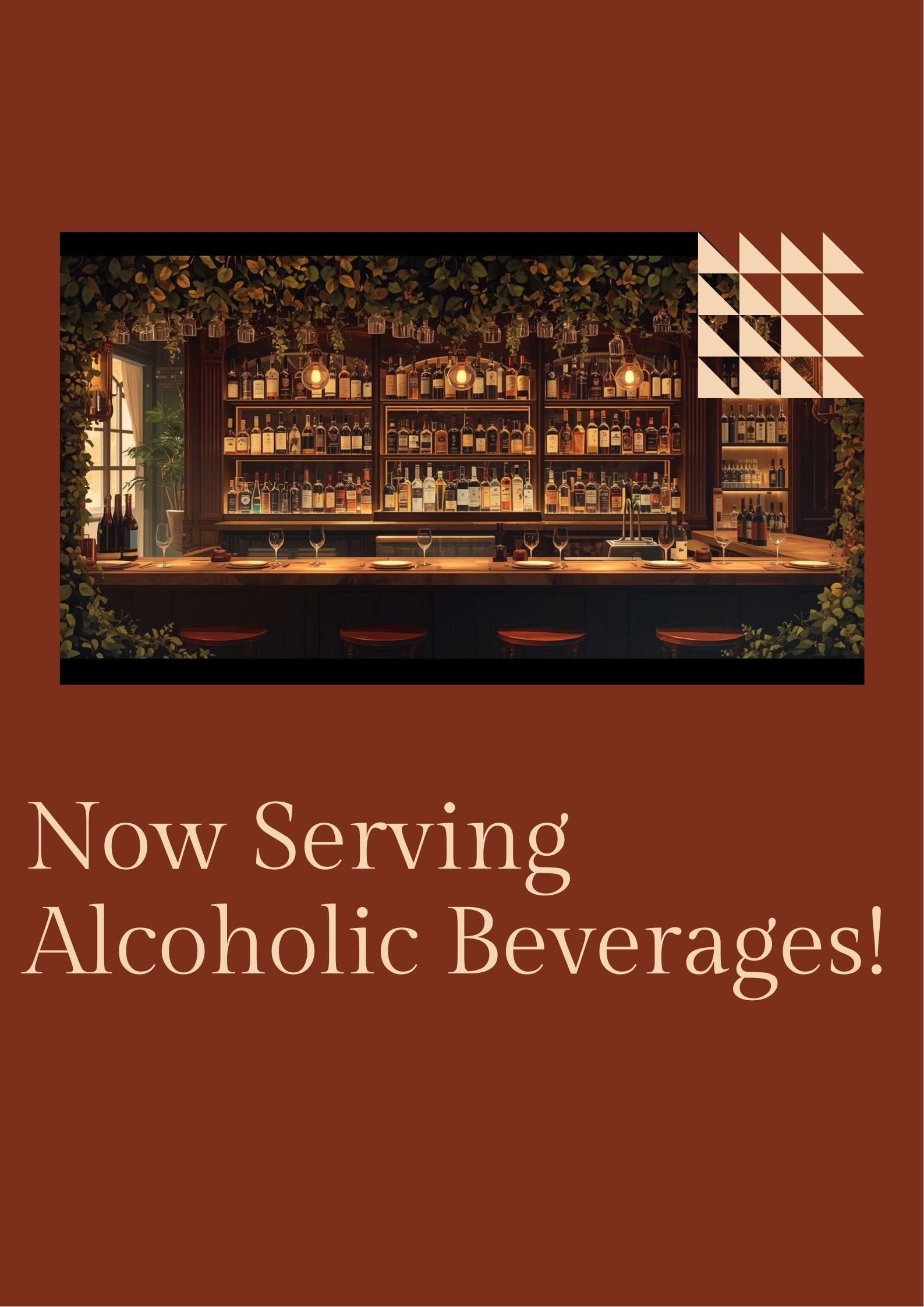
- Liquor license must be verified if alcohol is served.
- Waste disposal services must be active.
- Utility approvals must confirm safe operation.
A final walkthrough of the premises helps confirm that all safety standards are met. Staff should also be briefed on compliance responsibilities. Completing this final review ensures a confident and legally secure restaurant launch in New York.
Common Licensing and Permit Mistakes in New York
Many restaurant openings face delays due to simple compliance errors. Most mistakes happen because of missing documents, incorrect filings, or poor inspection preparation. Avoiding these issues helps keep the approval process smooth.
- Applying for permits before zoning approval is confirmed.
- Submitting incomplete or incorrect application forms.
- Failing to secure landlord consent before renovations.
- Missing required health and safety certificates.
- Underestimating liquor license processing time.
- Not preparing the kitchen before health inspections.
- Displaying licenses incorrectly or not at all.
- Ignoring renewal deadlines for active permits.
These mistakes often result in rejections, re inspections, and financial losses. Proper planning and document verification help prevent unnecessary delays and regulatory setbacks.
Estimated Timeline and Cost to Get Licensed in New York
Licensing timelines in New York vary based on restaurant type and location. Some approvals are processed quickly, while others take several months. Costs also differ depending on services offered and property size.
- Business registration often takes a few days to complete.
- Sales tax registration usually processes within a short period.
- Health department inspections may take several weeks.
- Liquor license approval can take multiple months.
- Outdoor dining permits may vary by season and location.
Costs include application fees, inspection charges, professional services, and renewal expenses. Total startup compliance costs increase with alcohol service, outdoor seating, and structural renovations. Budgeting for both time and expense prevents launch surprises and funding gaps.
Complete Legal Checklist to Open a Restaurant in New York
A legal checklist helps track every approval required before opening. It ensures that no critical step is missed during the setup process.
- Business registered with New York State.
- Employer Identification Number obtained.
- Sales Tax Certificate of Authority issued.
- Food Service Establishment Permit approved.
- Food Protection Certificate secured.
- Liquor license approved if alcohol is served.
- Sidewalk or outdoor dining permits issued if applicable.
- Signage permits approved.
- Waste disposal and grease trap permits active.
- Fire safety and Building Department approvals completed.
- Health inspection passed and documented.
- All licenses displayed at the restaurant.
Following this checklist supports full legal readiness. It also reduces the risk of inspection failures and operational shutdowns after opening.
Conclusion
Opening a restaurant in New York requires careful planning, accurate documentation, and strict attention to legal requirements. Each step builds on the previous one, and skipping even a small approval can create serious delays. Following the correct sequence keeps the process organized and reduces compliance risk.
Licenses, permits, inspections, and digital systems all work together to form a solid legal foundation. When these elements are handled in the right order, the launch process becomes smoother and more predictable. It also builds early trust with regulators and customers.
A structured approach protects the business from fines, shutdowns, and operational disruption. With proper preparation and full regulatory alignment, restaurant owners can move into opening day with confidence and long term stability.