TLDR
A table reservation system helps restaurants increase revenue by cutting no-shows, turning tables faster, filling peak-hour seats, and bringing guests back through better reservation and guest management.
Missed reservations and empty tables hurt more than the mood on the floor. They hit revenue directly. Every no show is a seat that could have been filled. Every untracked cancellation leaves a gap that rarely gets recovered the same day. Over a week or a month, those gaps add up to real money left on the table.
Manual booking makes this worse. Phone calls get missed. Reservations get written down wrong. Staff forget to confirm bookings or track cancellations. What this really means is silent revenue leakage. Not because demand is low, but because control is missing.
That’s why reservation systems are no longer just about convenience. They’ve become revenue tools. Restaurants now use them to manage demand, protect peak hours, and build predictable guest flow. The market reflects this shift. According to the Global Restaurant Reservations Software Market report, the industry is growing steadily, with the global market expected to expand at a strong CAGR through 2033, driven by restaurants prioritizing efficiency, data, and revenue optimization.
This is how a table reservation system directly impacts restaurant revenue.
What Is a Table Reservation System for Restaurants?
A table reservation system is software that manages your bookings digitally. Customers book online, you see everything in one dashboard, and the system handles confirmations, reminders, and guest tracking automatically. That’s it.
The real question is what changes when you stop doing it the old way.
Manual vs. Digital: What Actually Happens
With manual reservations, your process looks like this:
Phone rings. Host answers, checks the book, pencils in a name, writes down a phone number (maybe), hangs up. Guest calls back to change the time. Host erases, rewrites. Another call comes in for the same slot. Host isn’t sure if the first party confirmed. Guest shows up expecting a table that’s already seated.
You know this dance. Everyone in restaurant operations knows it.
Digital systems flip the script. Guest books online at 11pm from their couch. System checks real-time availability, confirms the slot, sends them a text. Updates your floor plan instantly. Guest gets a reminder the day before. If they need to cancel, they do it through the link—no phone tag.
Your host isn’t playing telephone operator anymore. They’re managing the room.
Hidden Revenue Leaks in Traditional Reservation Management
Restaurants rarely lose money in one obvious way. The losses come quietly, table by table, shift by shift. Missed reservations. Poor timing. Empty seats during rush hours. What looks like a small operational issue often turns into a serious financial drain.
Let’s break down where the revenue slips away.
The Cost of No Shows
No shows are one of the most direct forms of revenue loss. When a guest does not arrive, the table often stays empty because there is not enough time to refill it.
Industry estimates show that restaurants lose around 17 to 26 dollars per no show. That number climbs fast over time.
Consider a simple example.
A restaurant with 80 seats experiences an average of 3 no shows per day. At a conservative loss of 20 dollars per no show, that equals 60 dollars per day. Over a year, that turns into more than 21,000 dollars in lost revenue.
Larger restaurants feel this even more. Many lose between 50,000 and 80,000 dollars annually due to no shows alone. This is not a demand problem. It is a control problem.
Inefficient Table Turnover
Most restaurants turn each table two to three times per service. When timing goes wrong, that number drops.
Manual reservation management creates gaps. Tables sit empty longer than needed. Guests arrive early or late without coordination. Staff scramble to reshuffle seating.
The result:
- Fewer covers per service
- Longer idle time between seatings
- Lost revenue that cannot be recovered later
Poor timing does not just slow service. It limits how many guests a restaurant can serve in a fixed space.
Missed Peak Hour Opportunities
Peak hours generate the highest revenue. They also expose the biggest weaknesses in traditional reservation handling.
Without real visibility into availability:
- Restaurants risk overbooking and upsetting guests
- Or underbooking and leaving high value tables empty
Walk ins add another layer of complexity. Staff juggle phone calls, arrivals, and waitlists manually. Mistakes happen. Tables go unused even when demand is high.
Capacity utilization suffers. Even during busy weekends, many restaurants operate below their true seating potential.
Limited Guest Data Collection
Traditional reservation methods capture almost nothing about the guest.
No history. No preferences. No patterns.
This creates missed opportunities:
- No way to encourage repeat visits
- No personalization that builds loyalty
- No insight into who your best customers are
Without guest data, every visit starts from zero. Restaurants lose repeat business not because the food or service is poor, but because there is no system to bring guests back.
How a Table Reservation System Increases Restaurant Revenue
This is where revenue impact becomes clear. A table reservation system does not increase revenue through one big change. It does it through small, consistent improvements that compound every day.
Let’s break it down.
Reducing No Shows and Lost Revenue
No shows create invisible losses. The table is reserved. The staff is ready. The food prep is planned. Then no one walks in.
Automated reservation confirmations and guest reminders fix this problem at the source.
How this helps:
- Guests receive booking confirmations instantly
- Reminder messages prompt guests to show up or cancel early
- Cancelled slots reopen in time to seat other guests
Fewer no shows mean fewer empty tables. More tables filled means more guests served. Over a day, that may feel small. Over a week, it stabilizes revenue. Over a month, it makes revenue predictable instead of reactive.
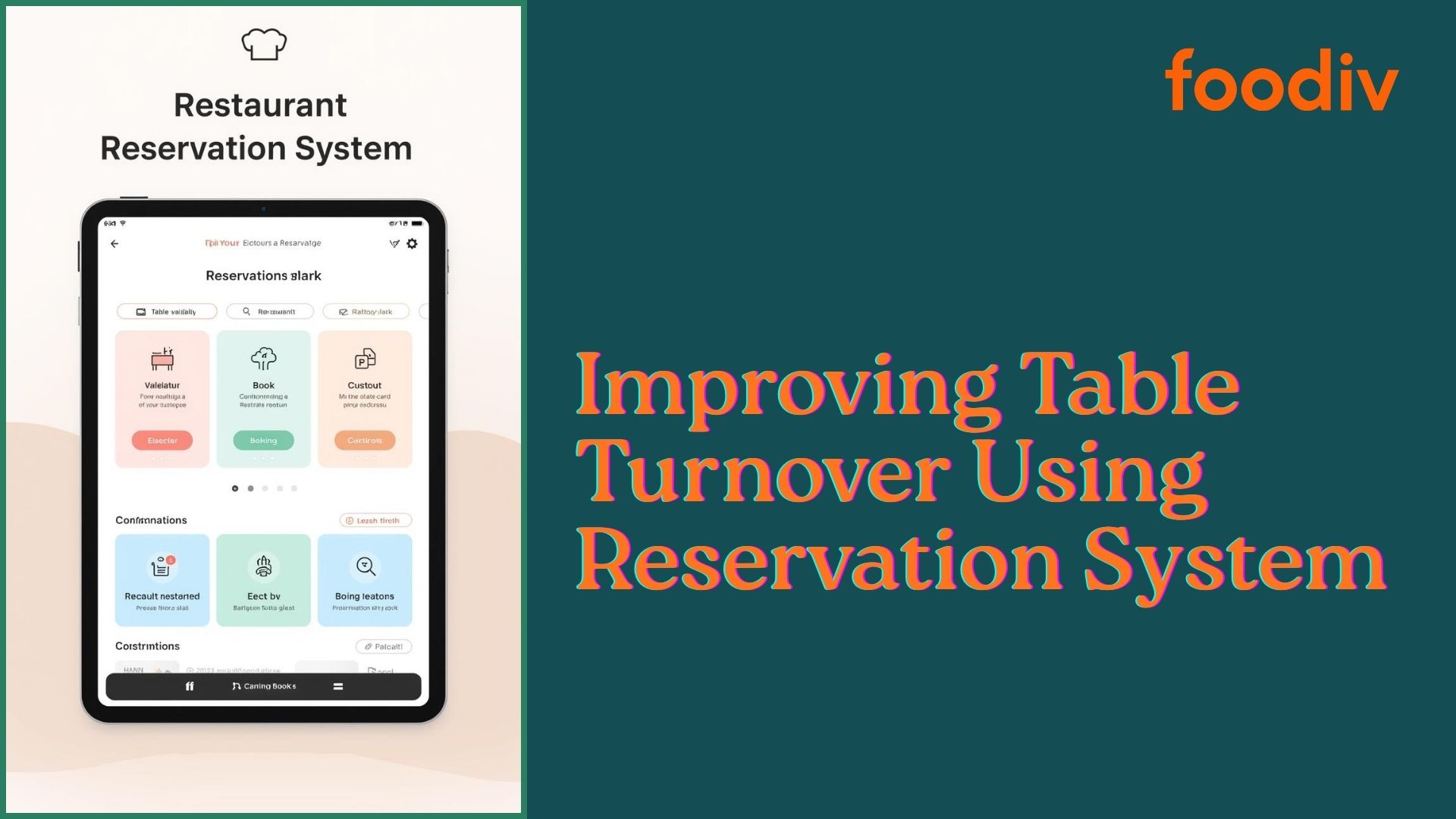
Improving Table Turnover Without Hurting Guest Experience
Here’s the thing. Faster turnover does not mean rushing guests. It means planning better.
A reservation system manages timing more accurately than manual tracking ever can.
What changes:
- Clear reservation time slots reduce overlap
- Seating stays controlled instead of chaotic
- Tables get reused smoothly during busy hours
Accurate reservation timing improves seating efficiency. Staff know when tables will free up. Hosts seat guests without delays. Dining duration stays balanced, not rushed or stretched.
This increases table turnover naturally. Restaurants serve more covers per day without adding seats or expanding space.
Maximizing Peak Hour and Weekend Seating
Peak hours drive the highest revenue. They also create the most risk when bookings go wrong.
Real-time availability management changes how restaurants handle demand.
What this enables:
- Live visibility into open and booked tables
- Balanced reservation pacing during busy hours
- Fewer gaps caused by underbooking or overbooking
Reservation systems help with demand forecasting. Restaurants see which time slots fill fastest and plan accordingly. Weekend rushes become structured instead of stressful.
Peak hour optimization ensures the most valuable tables stay occupied when demand is highest.
Turning Walk Ins Into Guaranteed Future Revenue
Walk ins bring revenue once. Reservation systems help bring them back.
Every booking captures guest data. Over time, this builds a usable guest database.
What this unlocks:
- Reservation history shows visit patterns
- Guest preferences improve service quality
- Repeat reservations become easier and faster
Predictable traffic replaces guesswork. Restaurants stop relying only on walk ins and start building repeat customers who book ahead.
Reservation systems convert one time diners into repeat revenue sources.
Reducing Operational Costs That Affect Profit Margins
Revenue growth is not just about sales. It’s also about protecting margins.
Manual reservation handling drains staff time and increases errors.
Reservation systems reduce this friction through automation.
Operational improvements include:
- Fewer phone interruptions during service
- Fewer manual booking mistakes
- Less staff dependency for reservation handling
Staff focus on guests instead of managing calls and notebooks. Fewer errors mean fewer unhappy customers and fewer lost tables.
Lower operational friction improves net revenue, not just gross sales.
Build Guest Database for Marketing & Retention
Think about your best regular customer. You know she likes the corner booth. You remember she’s vegetarian. All that knowledge lives in your head, or maybe scrawled in a margin somewhere.
Now what happens when she calls and your host picks up instead of you? They have no clue.
A reservation system changes the game.
Every booking builds a profile automatically. How often they visit. What they spend. Their preferences. Allergies. Birthdays. It’s not surveillance, it’s remembering. The same thing a great server does, except now your whole team has access.
Here’s where it pays off:
Email marketing pulls $42 for every dollar spent. But only if you have emails to send. With a booking system? You’re collecting thousands.
Sarah booked last March for her birthday. The system knows. Next February, you send: “Birthday’s coming up. Book this month, get 20% off.” She feels remembered. You get a booking.
Someone hasn’t been back in three months? The system flags them. “We miss you. Here’s what’s new. First appetizer’s on us.” Some ignore it. Some realize they love your place and book again.
The money’s in repeat customers.
They spend 67% more per visit. They’re less price-sensitive. They bring friends. Restaurants using customer data see 30% higher repeat rates.
Look at the math:
- Random walk-in: Comes once, spends $150. Total value: $150.
- Repeat customer: Six visits per year for three years at $150 each. Total value: $2,700.
The database shows you who’s becoming a regular and who needs a nudge. You can actually do something about it.
Loyalty programs used to be a headache. Now the system tracks points and rewards automatically. Your staff doesn’t touch it.
You’re not chasing new faces anymore. You’re building relationships with people who keep coming back, spend more, and tell their friends. That’s sustainable revenue.
Must Have Features in a Revenue Generating Reservation System
Not all reservation systems are built the same. Some are basically digital notebooks. Others act like revenue engines. The difference comes down to features that protect bookings, tighten table flow, and help you bring guests back.
Here is what actually matters:
| Feature |
Revenue Impact |
Why It Matters |
| Automated Confirmations and Reminders |
Reduces no shows |
Sends reservation confirmations and guest reminders so fewer tables sit empty due to forgotten bookings. |
| Online Booking Widget |
More completed reservations |
Guests book anytime from your website and key channels, which reduces missed calls and removes booking friction. |
| Real Time Table Management |
Better table turnover |
Prevents availability mismatch by showing what is occupied, what is clearing, and what is open right now. |
| Guest CRM and Profiles |
Higher repeat visits |
Stores guest history and preferences so you can personalize service and encourage repeat customers. |
| Waitlist Management |
Captures walk ins |
Keeps walk ins engaged with updates, so fewer guests leave for competitors when you are busy. |
| POS Integration |
Operational efficiency |
Reduces duplicate work and booking errors by connecting reservation details with billing and guest records. |
| Mobile Booking Experience |
More mobile bookings |
Makes it easy for guests to reserve from phones, which increases conversion for younger and on the go diners. |
| Analytics Dashboard |
Stronger decisions |
Shows booking patterns, covers by time slot, and demand spikes so you can adjust hours, pacing, and staffing with clarity. |
Online Booking Integration
Your website needs a Book a Table button that works without friction. Guests should see real time availability, choose a date and time, select party size, and confirm instantly. If a slot is full, the system should suggest alternatives right away.
Phone only booking creates missed calls and lost reservations. Online booking fixes that. It also keeps the booking process open 24 hours a day, even when the restaurant is closed.
Google booking matters too. When someone searches for a restaurant, they should be able to reserve directly from the search result. The same goes for social channels. People book where they discover you.
The revenue impact is simple. You capture intent the moment it happens.
Two Way Communication Tools
Automated confirmations and guest reminders reduce no shows because they make the reservation feel real. The guest gets instant confirmation. Then a reminder the day before. Then another reminder closer to the time, with an easy option to cancel.
Two way messaging adds another layer of control. If tables are running late, you update guests instead of leaving them guessing. If a big party cancels, you can notify waitlisted guests quickly.
This protects revenue in a practical way. Fewer no shows. Fewer angry guests. Fewer empty tables.
POS and Payment Integration
When the Restaurant Table Reservation System connects with your POS, the workflow becomes cleaner. Reservation details, guest notes, and visit history stay in one place. Staff stop switching between systems and stop retyping the same information.
Payment integration strengthens revenue protection even more. You can take deposits for large parties, require confirmation for peak time bookings, or apply no show fees when your policy allows it. This reduces last minute drop offs and improves revenue consistency.
Tools create work. A system removes work. That is the difference that shows up in profit margins.
Restaurant Revenue Success Stories
Revenue impact sounds abstract until you see it play out on real floors with real numbers. These examples show what changes when restaurants move from manual booking to a reservation system that actually controls demand.
Fine Dining Restaurant With 120 Seats
Before using a reservation system, this restaurant struggled with inconsistency.
What the numbers looked like:
- 18 percent no show rate
- 2.3 table turns per service
- 45,000 dollars in monthly revenue
The dining room stayed busy on paper, but empty seats kept appearing throughout service. Peak hours were unpredictable. Staff spent time managing gaps instead of guests.
Six months after implementing a reservation system, the picture changed.
Results:
- No show rate dropped to 3 percent
- Table turns increased to 2.8 per service
- Monthly revenue reached 58,500 dollars
That shift alone delivered a 30 percent revenue increase. Nothing about the menu or pricing changed. The difference came from better reservation control and fewer empty tables.
Casual Restaurant Group With Three Locations
This group had steady foot traffic but no way to connect visits across locations. Every booking stood alone.
After adopting a centralized reservation system:
- More than 50,000 guests were captured in a single database
- Repeat booking rate reached 35 percent
- No show recovery added roughly 12,000 dollars per month
Across the year, that translated into a 144,000 dollar revenue impact.
The biggest change was predictability. Reservation history made demand easier to manage, and repeat guests became a reliable revenue base instead of a bonus.
Small Bistro With 45 Seats
Smaller restaurants feel the impact faster because every table matters.
This bistro ran a simple calculation.
Costs:
- Reservation system cost was 200 dollars per month
Results:
- Average monthly revenue increased by 3,500 dollars
- Fewer no shows
- Better table pacing during peak hours
That delivered a 17.5 times return on investment.
For a room this size, even one extra seating per night changed the outcome. The system paid for itself within days, not months.
These case studies show the same pattern. Better reservation management leads to fewer losses, tighter table flow, and more consistent revenue. The size of the restaurant changes. The outcome does not.
10 Tips to Maximize Your Reservation System ROI
A reservation system only pays off when it’s used the right way. These are practical habits restaurants follow when they want real revenue results, not just software sitting in the background.
Enable Online Booking Everywhere
- Add booking to your website. Make it visible.
- Enable reservations on Google so guests can book straight from search.
- Use social media booking links for impulse decisions.
- Fewer steps lead to more completed reservations.
Set Smart Reservation Policies
- Ask for deposits on large groups.
- Set clear cancellation cutoffs.
- Make policies visible before guests confirm.
- When expectations are clear, fewer guests cancel late.
Optimize Reservation Intervals
- Space tables based on how your service actually runs.
- Fine dining needs longer windows.
- Casual dining can turn faster.
- Better spacing means fewer gaps and smoother turnover.
Use Data to Staff Properly
- Look at reservation patterns, not guesses.
- Schedule more staff when bookings spike.
- Cut back when demand drops.
- Right staffing protects both revenue and guest experience.
Create Special Occasion Packages
- Identify birthdays and anniversaries at booking.
- Offer set menus or upgrades.
- Highlight premium experiences during reservations.
- Special occasions drive higher spend naturally.
Use Dynamic Availability
- Do not open every table all the time.
- Hold space for walk ins during slower hours.
- Open more tables when demand is high.
- Flexibility keeps seats full without chaos.
Train Staff to Trust the System
- Train hosts to follow the system, not side notes.
- Keep everyone using the same source of truth.
- Consistency reduces booking mistakes.
- The system works only if the team uses it.
Review Analytics Every Week
- Check no show rates.
- Review busy time slots.
- Spot slow periods early.
- Small weekly adjustments create steady gains.
Market to Guests You Already Have
- Use your guest list during quiet days.
- Invite regulars back with simple offers.
- Promote new menus or events.
- Repeat guests are easier to convert than new ones.
Collect Feedback and Act on It
- Ask guests about their booking experience.
- Watch where cancellations happen.
- Fix friction quickly.
- Small improvements protect long term revenue.
These are not growth hacks. They are habits. When restaurants treat reservation systems as part of daily operations, revenue follows naturally.
Also Explore :
The Benefits of Using a Restaurant Billing System for Efficient Operations
8 Restaurant Software Types You Need to Run a Successful Restaurant
Best Restaurant Management Software to Streamline Your Operations in 2026
Kitchen Management Explained: How to Improve Kitchen Efficiency
Final Thoughts
A table reservation system is not just a way to organize bookings. It is a revenue optimization tool. When restaurants control when guests arrive, how tables turn, and how demand flows through the dining room, revenue becomes easier to manage.
Predictable seating changes everything. Staff plan better. Tables stay active. Peak hours feel controlled instead of chaotic. Guest flow becomes steady instead of reactive.
Short term fixes can boost numbers for a night or two. Long term stability comes from systems that work quietly in the background, every day, every service.
Better reservation control leads to better revenue control.
Frequently Asked Questions
Yes, it does. Empty tables are lost revenue, plain and simple. A reservation system helps keep seats filled by cutting no shows, smoothing table flow, and bringing guests back more often. When that happens consistently, revenue stops feeling random and starts feeling stable.
Most no shows happen because people forget or plans change at the last minute. Online booking fixes that. Guests get a confirmation right away and reminders before their visit, which prompts them to show up or cancel in time. Either way, the restaurant stays in control of the table.
Yes, and this is where it helps the most. Peak hours are when mistakes cost the most money. A reservation system keeps seating organized, prevents overbooking, and shows exactly which tables are coming free next. That control helps restaurants seat more guests without chaos.
Absolutely. Small restaurants feel the impact faster because every table matters. Even one saved no show or one extra seating per night can change the numbers. A reservation system helps small teams stay organized without adding staff.
Often within the first few weeks. No shows drop almost immediately once reminders go out. Table timing improves next. Many restaurants see clearer revenue patterns within the first month because fewer seats go to waste.