Restaurants deal with a constant flow of reservations. Some guests call to book a table. Others reserve online. Walk in customers arrive without notice. Managing all of this manually can quickly become chaotic.
Here is the thing. A restaurant reservation system is not just a booking tool. It helps restaurants organize seating, track guest preferences, reduce wait times, and handle busy service hours with more control.
What this really means is simple. The right restaurant reservation system helps restaurants run smoother operations while giving guests a better dining experience. From online table booking to guest data management, the features inside the system make a real difference.
In this guide, we will break down the key features restaurants should look for when choosing a reservation system. Understanding these features helps restaurant owners choose software that supports both daily operations and long term growth.
Why Restaurants Use Reservation Systems?
Restaurants handle many reservations throughout the day. Guests book tables online, call the restaurant, or walk in during busy hours. Without a proper system, managing all these requests becomes difficult.
Here is the thing. A restaurant reservation system helps staff stay organized. It shows table availability, tracks upcoming bookings, and helps the team plan seating in advance. Instead of reacting to the rush, the restaurant can manage it.
The benefits are clear.
- reduced wait times for guests
- better table management during busy hours
- improved overall dining experience
- fewer no shows through automated reminders
- more organized reservation tracking
What this really means is simple. Restaurants gain better control over seating and service. When the team knows exactly who is arriving and when, they can prepare the dining room and serve guests more efficiently.
Essential Features of a Restaurant Reservation System
A reservation system should do more than store bookings. It should help restaurants stay organized when the dining room fills up and things start moving quickly.
Here is the reality. During busy hours, staff juggle reservations, walk-ins, table turnover, and guest requests at the same time. Without the right tools, even a well run restaurant can lose control of seating.
That is why the features inside a reservation system matter. The right ones help restaurants manage tables smoothly, reduce confusion, and create a better experience for guests.
Let’s look at the features that actually make a difference.
Online Table Booking
Think about how most people book restaurants today. Very few guests want to call. They want to check availability, pick a time, and reserve a table in seconds.
Online table booking makes that possible.
Guests can book directly from a restaurant’s website or through their phone. The reservation goes straight into the system, and the table availability updates instantly.
This removes a lot of pressure from restaurant staff. Instead of answering phone calls all evening, the team can focus on preparing the dining room and serving guests.
Another important advantage is availability. Online booking works twenty four hours a day. A guest planning dinner late at night can still reserve a table even when the restaurant is closed.
Over time, this convenience increases reservations. When booking is simple, more people complete the process.
Benefits include
- convenient reservations for customers
- fewer phone calls for restaurant staff
- faster booking process
- more confirmed reservations
Real Time Table Availability
A restaurant floor changes constantly. Guests arrive, some leave early, others stay longer than expected. Reservations also change throughout the day.
Without clear visibility, managing tables becomes difficult.
A reservation system solves this by showing real time table availability.
Whenever a reservation is created, modified, or canceled, the system updates the table status immediately. Staff can see which tables are occupied, which are reserved, and which are ready to seat the next guests.
This prevents one of the most common problems restaurants face. Double bookings.
It also helps staff plan seating more intelligently. If a reservation is arriving soon, the team knows not to seat a walk-in at that table.
What this really does is remove guesswork. Staff no longer rely on memory or handwritten notes. The system shows exactly what is happening in the dining room.
This leads to smoother service and fewer waiting guests.
This helps
- avoid double bookings
- improve seating decisions
- reduce guest wait times
Table and Floor Plan Management
When a restaurant becomes busy, visual clarity becomes extremely valuable.
Many reservation systems provide a digital floor plan that mirrors the actual layout of the dining room. Each table appears on the screen with its current status.
Some tables may be reserved. Others may be occupied. Some may be ready for the next guests.
This simple visual view helps staff manage the dining room more confidently.
When a new reservation appears, the team can assign a table directly from the floor plan. If the guest count changes or a reservation needs to move, staff can adjust the table placement in seconds.
It also helps when handling large groups. Sometimes tables need to be combined to seat a bigger party. A floor plan makes this much easier to organize.
Another important benefit is table turnover. Staff can track how long guests have been seated and prepare the next table accordingly.
Instead of reacting to chaos, the restaurant operates with a clear seating plan.
This feature helps staff
- assign tables quickly
- track table occupancy
- manage table turnover efficiently
Waitlist Management
Even the best restaurants run out of tables during peak hours. Guests still walk in hoping for a seat.
Without a system, the front desk can quickly become crowded and confusing.
Waitlist management solves this problem.
When a restaurant is full, staff can add guests to a digital waitlist. The system records the party size and estimated waiting time.
Guests do not have to stand around the entrance anymore. Many systems send a notification when their table is ready.
This improves the guest experience. People feel informed instead of frustrated.
It also helps staff stay organized. They can clearly see how many guests are waiting and when the next table will become available.
Waitlist management allows restaurants to handle demand without losing control of the dining room.
Guest Database and CRM
A reservation system quietly collects valuable guest information over time.
Every reservation tells the restaurant something about the customer. When they visit. How often they return. What kind of table they prefer.
This information becomes part of a guest database.
Here is why that matters. Guests appreciate being recognized.
A returning customer might prefer a quiet table near the window. Another guest may celebrate birthdays at the same restaurant every year. When staff remember these details, the dining experience becomes more personal.
It also helps restaurants understand their audience. Managers can identify loyal guests and track repeat visits.
This knowledge supports better service and stronger customer relationships.
Restaurants can track
- guest preferences
- visit history
- special occasions
- dining habits
Over time, this information helps restaurants create more memorable experiences.
Automated Reservation Confirmations and Reminders
One of the most frustrating problems for restaurants is the no show.
A table stays reserved, but the guest never arrives. That empty table represents lost revenue.
Reservation confirmations and reminders help reduce this issue.
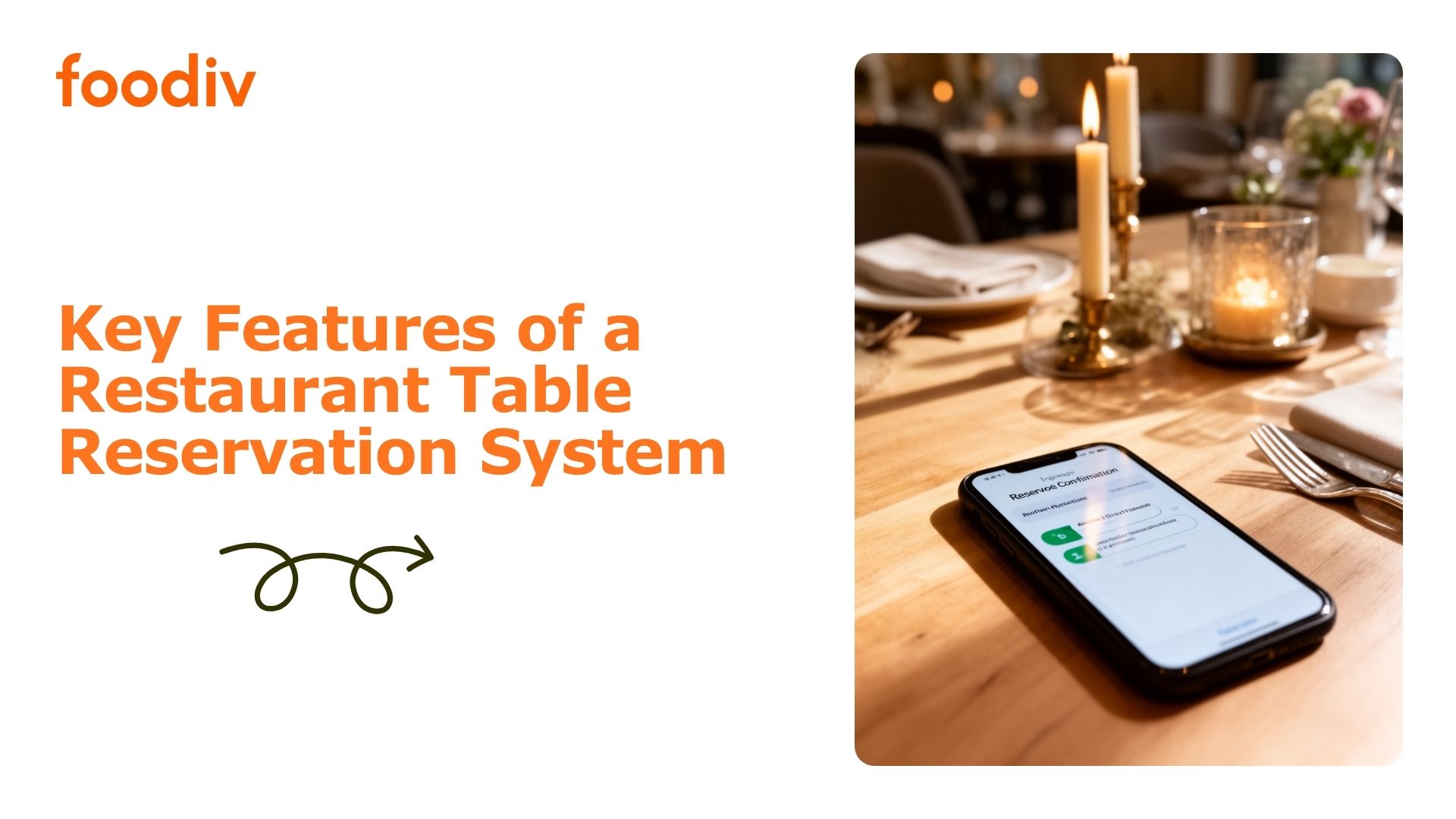
When a guest books a table, the system immediately sends a confirmation message. This reassures the guest that the reservation is recorded.
Later, a reminder message is sent before the reservation time.
This simple step works surprisingly well. Many guests miss reservations simply because they forget. A reminder brings the booking back to their attention.
If plans change, the guest can cancel ahead of time. The restaurant can then release the table for another customer.
These small notifications protect valuable table space and improve reservation reliability.
Customers receive
- booking confirmations
- reminder notifications
- reservation updates
This helps restaurants reduce missed bookings.
POS Integration
Reservations do not exist in isolation. They are closely connected to the restaurant’s daily operations.
Guests arrive for their booking. They order food. They pay the bill. The table then becomes available again.
When a reservation system connects with the POS system, these steps work together smoothly.
For example, when a table finishes dining and the bill closes, the system can update the table status automatically. Staff immediately know that the table is ready for the next guests.
Managers also gain better visibility into how reservations translate into actual revenue.
Instead of managing separate systems, the restaurant operates with one connected workflow.
Benefits include
- clearer table status updates
- better coordination between reservations and service
- improved operational efficiency
POS integration helps restaurants run more organized service.
Reservation Analytics and Reporting
Every reservation contains useful information. Over time, that data reveals patterns about how the restaurant operates.
Reservation analytics turn booking data into insights.
Managers can see which days receive the most reservations, when peak dining hours occur, and how quickly tables turn over.
This helps restaurants prepare for busy periods.
For example, if Saturday evenings consistently fill up, managers can schedule more staff. If certain time slots stay empty, they can introduce promotions to attract guests.
Analytics also show customer behavior. Restaurants can identify repeat visitors and understand dining trends.
Instead of relying on intuition, managers make decisions based on real numbers.
Restaurants can analyze
- booking patterns
- peak dining hours
- table turnover speed
- customer behavior
These insights help restaurants improve operations and plan growth more effectively.
Future Trends in Restaurant Reservation Systems
Restaurant reservation technology keeps evolving as restaurants adopt more digital tools. Booking a table is no longer just about recording a reservation. Modern systems now help restaurants understand demand, manage seating more intelligently, and improve the guest experience.
Here is the thing. Restaurants are looking for tools that do more than store bookings. They want systems that help them plan service, reduce waiting times, and operate more efficiently during busy hours. Because of this, several new trends are shaping how reservation systems will work in the coming years.
Some of the most important trends include
- AI-powered booking optimization – AI can study reservation patterns and guest behavior to recommend better seating decisions. This helps restaurants fill more tables while reducing empty seats during peak hours.
- Predictive table management- Advanced systems analyze past dining patterns to estimate how long guests usually stay. This allows restaurants to plan seating more accurately and reduce unexpected delays.
- Voice based reservations- Some reservation platforms are beginning to support voice assistants. Guests can book tables using voice commands without visiting a website or making a phone call.
- Mobile first reservation systems- Many customers now search and book restaurants through their phones. Reservation systems are focusing on mobile friendly booking experiences that make reservations fast and simple.
- Integration with online ordering platforms- Reservation systems are increasingly connecting with online ordering tools. This allows restaurants to manage dine in reservations and digital food orders within the same platform.
These innovations are gradually turning reservation systems into more intelligent restaurant management tools. As these technologies mature, restaurants will gain better control over bookings, seating, and guest experience.
Conclusion
A restaurant reservation system does much more than manage bookings. It helps restaurants organize seating, reduce waiting times, and deliver a better experience for guests.
Features like online table booking, real time table availability, guest databases, and automated reminders make daily operations easier for staff. When these tools work together, restaurants can handle busy service hours with more control.
Choosing a reservation system with the right features helps restaurants stay organized, improve customer satisfaction, and make better use of their dining space.