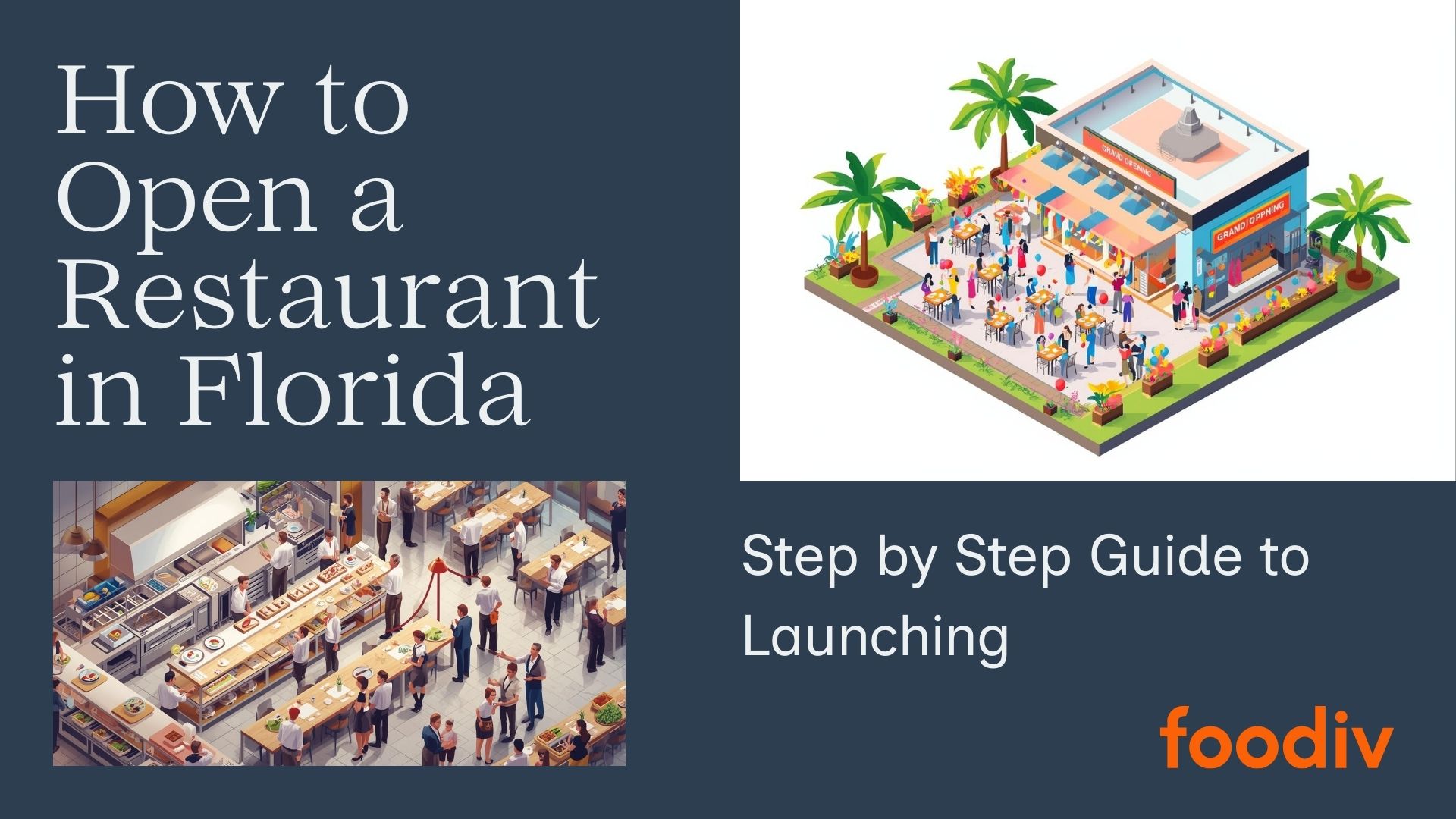
Opening a restaurant in Florida is an attractive opportunity for many entrepreneurs. The state offers strong tourism, a diverse food culture, and a steady flow of both residents and visitors looking for dining experiences. However, learning how to open a restaurant in Florida requires more than a great idea. Restaurant owners must plan carefully, understand restaurant permits in Florida, manage startup costs, and follow state food service regulations.
Florida’s hospitality market continues to grow every year. According to official state data, Florida welcomed 143.3 million visitors in 2025, setting another record for tourism and reinforcing the state’s position as one of the most active travel destinations in the United States. With millions of travelers visiting beaches, theme parks, and major cities, the restaurant industry in Florida benefits from constant demand.
At the same time, competition across Florida’s restaurant market is strong. Tourists expect memorable dining experiences. Local customers have many choices and quickly recognize when service, food quality, or operations fall short. Many restaurant businesses struggle not because the concept is wrong, but because they underestimate the planning required before opening.
This guide explains how to open a restaurant in Florida step by step, covering essential topics such as restaurant licenses and permits, business registration, startup costs, and operational setup. The goal is to help restaurant owners launch with clear planning, avoid common mistakes, and build a strong foundation for long term success.
Understand the Florida Restaurant Market
Florida is not a single restaurant market. It behaves more like several smaller ones living side by side. Tourist driven cities move fast and reward visibility. Residential areas value consistency and price. College towns follow different rhythms than retirement communities. Even operating hours can change based on location.
Restaurants that succeed here usually take time to study where they are opening, not just what they are opening. That local understanding shapes better decisions from day one.
Popular Restaurant Concepts That Work in Florida
Some concepts have proven staying power across the state. Casual dining works well in high traffic areas where customers want quick meals without formal service. Coastal regions naturally support seafood focused menus, especially when pricing stays accessible. Breakfast cafés and coffee shops perform well in neighborhoods with repeat local footfall.
Florida’s cultural diversity also creates space for Latin, Caribbean, and fusion concepts, especially in cities like Miami, Orlando, and Tampa. What matters most is not how unique the idea sounds, but how well it fits the habits of the people nearby.
Target Audience and Local Dining Preferences
Florida restaurants rarely serve one type of customer all day. Mornings may bring locals. Afternoons see tourists. Weekends change everything. A menu that works for one group may miss the mark for another.
Strong operators define their primary audience early. Tourists usually prioritize speed, clear menus, and location. Locals look for fair pricing, familiar options, and reliable service. Once the audience is clear, decisions around menu size, pricing, staffing, and promotions become easier and more focused.
Choosing the Right Restaurant Format
The restaurant format directly affects risk and daily workload. Dine in restaurants offer higher revenue potential but require more staff and space. Takeaway and delivery focused setups reduce overhead and move faster during peak hours. Food trucks work well in event based or seasonal locations but come with permit and parking limits.
Cloud kitchens suit owners who want to test demand with lower upfront costs, though marketing becomes essential. Cafés sit in the middle, with flexible hours and simpler operations. The right format is the one that matches the location, budget, and capacity to manage day to day operations, not just what is trending online.
Define Your Restaurant Concept and Brand
Before investing in a lease or ordering equipment, the concept needs to make sense in real terms. Not just on paper. A vague idea often leads to constant changes later, and those changes cost time and money. In Florida, where competition is high and margins are tight, unclear concepts usually struggle to stabilize.
This stage is about making decisions early so the rest of the setup moves with purpose.
Selecting a Clear Restaurant Concept
A workable concept should be easy to describe in one sentence. If it takes explanation, customers will feel the confusion too. The food, service style, pricing, and pace all need to align.
In Florida, concepts that respect heat, foot traffic, and customer flow tend to perform better. Fast casual works well near beaches and tourist zones. Neighborhood spots succeed when they stay consistent and familiar. Overly complex menus often slow kitchens and frustrate staff during peak hours.
The goal is not originality for its own sake. It is clarity that holds up during busy days.
Naming Your Restaurant and Brand Identity
A restaurant name should feel natural in its location. It should be easy to pronounce, easy to remember, and appropriate for the audience it serves. Names that rely on trends or clever wordplay sometimes lose impact once the novelty fades.
Brand identity is shaped through small details. Menu layout. Interior choices. Staff presentation. Online presence. When these elements feel aligned, the restaurant feels intentional. When they clash, customers notice even if they cannot explain why.
Creating a Unique Value Proposition
A restaurant does not need a dramatic hook to stand out. It needs a clear reason to be chosen again. That reason might be speed, pricing, portion size, consistency, or convenience.
In Florida, reliability often matters more than novelty. Tourists return to places that deliver exactly what they expect. Locals come back when the experience feels dependable. A realistic value proposition is easier to maintain and far more effective than overpromising something the operation cannot sustain.
Create a Restaurant Business Plan for Florida
A restaurant business plan is not something to write once and forget. In Florida, it is often required by banks, landlords, and investors, but its real value is practical. It forces the hard questions early, before money starts moving. How much can the restaurant actually afford. How long can it operate before breaking even. What happens during slow seasons.
Without this clarity, decisions get rushed later.
Key Sections of a Restaurant Business Plan
A solid business plan focuses on how the restaurant will run day to day. It should clearly explain the concept, service style, and target customer. It should outline staffing levels, operating hours, and basic workflow inside the kitchen and front of house.
Marketing plans need to reflect the local area. A tourist location requires different visibility than a residential neighborhood. The financial section should tie everything together, showing how pricing, labor, and rent work in real numbers, not assumptions.
Market Research and Competitor Analysis
Florida’s restaurant demand changes by location and season. Market research is about understanding those patterns. Foot traffic. Peak hours. Tourist cycles. Local competition. This information is often learned by walking the area, not searching online.
Competitor analysis should be direct and realistic. What nearby restaurants charge. How fast they turn tables. Where service slows down. Gaps usually appear during busy hours, not quiet ones. Those gaps are where new restaurants find opportunity.
Financial Forecast and Startup Cost Estimates
Many Florida restaurants struggle because early costs are underestimated. Build out delays, permit fees, equipment, and initial staffing all add up quickly. A realistic startup budget includes a buffer for the unexpected.
Revenue forecasts should start conservatively. Weather, tourism swings, and seasonal demand affect sales more than many owners expect. A clear financial forecast helps plan cash flow, set limits, and avoid early pressure that forces bad decisions.
Estimate the Cost to Open a Restaurant in Florida
Most restaurant failures trace back to cash flow, not food quality. In Florida, this risk increases because opening timelines often stretch longer than expected. Permits take time. Build outs get delayed. Revenue ramps up slowly, especially outside peak tourist seasons.
A realistic cost estimate helps the business survive that early phase without panic decisions.
Average Startup Costs for Florida Restaurants
Startup costs vary widely based on location, size, and service style. A small takeaway or café costs far less than a full dine in restaurant with a bar and large kitchen.
Common startup expenses usually include:
- Lease security deposits and advance rent
- Renovation and build out work
- Kitchen equipment and smallwares
- Furniture and signage
- Licenses and permit fees
- Initial food and beverage inventory
- Payroll before opening
Tourist heavy areas often come with higher rent and construction costs. Quieter locations may cost less upfront but take longer to generate steady sales.
Fixed and Variable Expenses to Plan For
Some expenses remain stable each month and set the baseline for survival.
Typical fixed costs include:
- Rent or mortgage payments
- Insurance
- Loan repayments
- Software and service subscriptions
Variable costs change based on volume and season.
Common variable expenses include:
- Food and beverage costs
- Hourly labor
- Utilities
- Marketing and promotions
Florida restaurants often experience sharp swings between busy and slow periods. Planning for these shifts prevents sudden cash shortages.
Ways to Reduce Initial Investment
Lowering startup costs does not mean sacrificing quality. It means opening with discipline.
Practical ways to control early spending include:
- Keeping the menu small to reduce equipment and inventory needs
- Taking over an existing restaurant space to shorten build out time
- Limiting hours during the first phase
- Delaying alcohol service until demand is proven
- Choosing a service model that fits staffing capacity
Many successful Florida restaurants start lean and grow later. The priority is staying operational long enough to build momentum, not launching with everything on day one.
Secure Funding and Financing Options
Funding is not just about raising money. It is about knowing how much is needed, when it will be used, and how long it must last. In Florida, opening delays and seasonal sales make this planning even more important. Securing the right mix of funding early reduces pressure once operations begin.
The goal is stability, not maximum capital.
Bank Loans and SBA Loans
Traditional bank loans and SBA backed loans remain common funding routes for Florida restaurants. These options usually offer lower interest rates but require preparation.
Before applying, lenders typically expect:
- A clear business plan
- Personal and business credit history
- Cash flow projections
- Proof of industry experience or management capability
SBA loans often allow longer repayment terms, which helps with early cash flow. The tradeoff is time. Applications take longer and approvals are not guaranteed. Planning for this timeline is essential.
Personal Savings and Investors
Many restaurant owners use personal savings to cover part of the startup cost. This approach avoids debt pressure but increases personal risk. It works best when combined with conservative budgeting and clear exit limits.
Investors may include family members, partners, or private backers. When outside money is involved, expectations must be defined early.
Important points to clarify include:
- Ownership percentage
- Decision making authority
- Profit distribution
- Exit terms
Clear agreements prevent conflict once the restaurant becomes operational.
Alternative Funding Options
Some restaurants explore non traditional funding sources, especially when bank financing is limited.
Common alternatives include:
- Equipment financing
- Business lines of credit
- Crowdfunding platforms
- Short term working capital loans
These options can help fill gaps but often carry higher costs. They work best as supplements, not primary funding sources. The focus should remain on securing enough capital to operate through early months without constant refinancing.
Choose the Right Restaurant Location in Florida
Location shapes almost every part of a restaurant’s performance. It affects rent, foot traffic, staffing, pricing, and even menu choices. In Florida, the right location can bring steady demand, while the wrong one can struggle regardless of food quality. Choosing carefully at this stage prevents long term limitations that are difficult to fix later.
Best Cities in Florida to Open a Restaurant
Florida offers a wide range of opportunities, but each city behaves differently. Miami supports trend driven concepts and high volume traffic but comes with higher rent and intense competition. Orlando benefits from tourism and consistent visitor flow, especially near attractions. Tampa and St. Petersburg offer growing local markets with a mix of residential and commercial demand. Jacksonville provides lower operating costs and space for neighborhood focused restaurants.
City selection should balance visibility, operating costs, and the type of customer the restaurant intends to serve.
Zoning Laws and Location Compliance
Not every commercial space can legally operate as a restaurant. Zoning regulations, health codes, fire safety rules, and parking requirements vary by city and county in Florida. A location that looks perfect may require expensive upgrades to meet compliance standards.
Before signing a lease, it is important to confirm permitted use, seating limits, kitchen requirements, and alcohol service eligibility. Early verification avoids delays that can push opening timelines back by months.
Lease vs Buying Commercial Space
Leasing is the most common choice for new restaurants. It requires less upfront capital and offers flexibility if the concept needs to evolve. However, lease terms, rent increases, and maintenance responsibilities must be reviewed carefully.
Buying commercial space provides long term stability and asset ownership but demands higher initial investment and limits flexibility. For most first time restaurant owners in Florida, leasing allows faster entry with lower financial risk while keeping options open for future growth.
Register Your Restaurant Business in Florida
Before permits, equipment, or hiring come into play, the business needs to exist on paper. This part is not exciting, but it is necessary. In Florida, most delays later in the process trace back to something that was not registered correctly at the start.
Getting the legal setup right early makes every step after this easier.
Registering the Business Entity
The first decision is how the restaurant will be legally structured. Many Florida restaurant owners choose an LLC because it keeps personal assets separate from business liabilities and allows flexible ownership. Others may form a corporation when multiple investors are involved.
Once the structure is chosen, the business must be registered with the Florida Division of Corporations. This registration allows the restaurant to sign leases, apply for licenses, and operate under its chosen name. Changing the structure later is possible, but it often creates extra paperwork and costs.
Getting an EIN and Tax Registration
An EIN works like a social security number for the business. It is required to hire employees, open bank accounts, and file federal taxes. Most owners apply for it as soon as the business entity is registered.
Florida restaurants must also register to collect sales tax. If employees will be hired, additional registrations related to payroll and unemployment taxes are required. Completing these steps early prevents issues when the restaurant is ready to open and start processing payments.
Opening a Business Bank Account
Keeping business finances separate from personal funds is essential. A dedicated business bank account helps track expenses, manage cash flow, and maintain clean financial records. It also makes working with accountants and lenders much easier.
Banks typically require proof of business registration and the EIN to open an account. Setting this up early allows deposits, vendor payments, and payroll to be handled properly from day one.
Licenses and Permits Required to Open a Restaurant in Florida
Licenses and permits are where timelines often stretch. In Florida, approvals involve multiple departments, and many of them move at their own pace. Waiting too long to apply can delay the opening by weeks or even months. Starting early gives room to fix issues without pressure and keeps the project moving forward.
This step is about compliance, but it is also about protecting the business from costly last minute changes.
Food Service License and Health Permits
Every restaurant in Florida must be licensed to prepare and serve food. This usually involves approval from state and local health authorities. Inspections focus on kitchen layout, food storage, sanitation, and employee safety practices.
Health permits are tied closely to the physical space. Equipment placement, ventilation, sinks, and refrigeration all matter. Many delays happen when a space looks ready but fails inspection due to layout issues. Reviewing requirements before build out helps avoid rework.
Sales Tax and Employer Registration
Restaurants in Florida are required to collect and remit sales tax. Registration must be completed before opening, even if sales have not started yet. This ensures the business can legally process payments once operations begin.
If employees will be hired, employer registration is also required. This includes payroll related taxes and unemployment insurance. Completing these registrations early avoids problems when staff is onboarded and paid.
Liquor License Requirements in Florida
Serving alcohol adds another layer of regulation. Florida liquor licenses vary based on service type, location, and seating capacity. Some licenses are quota based and limited in number, which can increase cost and waiting time.
Restaurants planning to serve alcohol should research eligibility early. In some cases, it may be practical to open without alcohol service and apply later. This decision depends on budget, timeline, and how central alcohol is to the concept.
Fire, Safety, and Certificate of Occupancy
Before opening to the public, the restaurant must pass fire and safety inspections. These checks cover exits, fire suppression systems, alarms, and occupancy limits. Requirements vary by city and county, but all are mandatory.
A Certificate of Occupancy confirms that the space is approved for restaurant use. Without it, the business cannot legally open. Scheduling inspections early and coordinating with contractors helps avoid last minute delays that can stall the launch.
Design Your Restaurant Layout and Kitchen
Layout decisions show up every day once the restaurant is open. They affect how fast food moves, how stressed the staff feels, and whether inspections pass without rework. In Florida, these decisions also need to meet health, fire, and building requirements, which leaves little room for guesswork.
A good layout does not try to impress. It tries to make busy hours easier.
Kitchen Workflow and Equipment Planning
The kitchen should be planned around how food actually moves, not how equipment looks on a floor plan. Prep, cooking, and plating need clear paths so staff are not crossing each other during peak hours. Tight or poorly placed equipment slows service and increases mistakes.
Things that need early attention include:
- Logical flow from prep to cooking to service
- Enough space between stations to work safely during rush periods
- Proper placement of hand sinks and sanitation areas
- Ventilation and hood systems sized for the cooking style
- Equipment chosen based on menu needs, not future expansion
Many Florida restaurants fail inspections because layouts were finalized before health requirements were fully understood. Reviewing those rules before construction saves time and money.
Dining Area Design and Seating Capacity
More seats do not always mean more revenue. Seating needs to match kitchen output and staff capacity. When dining rooms are packed beyond what the kitchen can handle, service slows and customer experience drops.
Dining space planning should focus on:
- Comfortable spacing that allows staff to move freely
- Clear sightlines for service and supervision
- A seating count the kitchen can support consistently
- Flexibility for couples, families, and small groups
In many Florida locations, outdoor or semi outdoor seating is an option. These areas can increase capacity but also bring weather, maintenance, and permit considerations.
Accessibility and Safety Requirements
Accessibility and safety planning should happen before construction begins, not after. Florida inspections will check whether the space works for all guests and staff, not just during normal service but in emergencies.
Key areas that require attention include:
- ADA compliant entrances, restrooms, and pathways
- Clearly marked exits and emergency routes
- Fire suppression systems that match kitchen equipment
- Non slip flooring in kitchens and wet areas
When these requirements are built into the layout early, inspections tend to move faster. When they are treated as add ons, delays and rework are almost guaranteed.
Build Your Menu and Pricing Strategy
The menu decides whether the restaurant makes money or struggles quietly. It controls food cost, kitchen speed, staffing pressure, and customer expectations. In Florida, it also has to hold up under mixed traffic. Locals during the week. Tourists on weekends and in season. A menu that works in theory but not during a rush quickly becomes a problem.
This is where restraint usually pays off.
Menu Planning for Florida Customers
Florida diners are not looking for long explanations. They want to understand the menu quickly and order without friction. Tourists tend to favor familiar dishes they recognize. Locals come back for consistency, not constant changes.
When building the menu, practical questions matter more than creativity:
- Can this dish be executed consistently during a rush
- Does it rely on ingredients that fluctuate in price or availability
- Can multiple items share prep and inventory
- Does the menu suit warm weather dining and high turnover
Menus that stay focused usually perform better than menus that try to impress with volume. Fewer items often lead to faster service and better quality control.
Food Cost Calculation and Pricing
Pricing problems rarely show up immediately. They surface months later when margins tighten and there is no room to adjust. In Florida, food costs can shift due to tourism demand, seasonal supply changes, and distribution pricing.
Before setting prices, it helps to break things down clearly:
- True ingredient cost per portion
- Prep time and labor impact per dish
- Expected waste and spoilage
- Target margin after overhead
Prices should cover costs comfortably, not just barely. Leaving room for rising expenses and occasional promotions protects the business long term. Underpricing to attract early traffic often creates damage that is hard to reverse.
Beverage and Alcohol Menu Considerations
Beverages can significantly improve margins, but they also add complexity. Alcohol service in Florida brings licensing costs, training requirements, and stricter compliance. For some restaurants, it is essential. For others, it can slow opening plans.
When deciding on beverages, owners often weigh:
- How important alcohol is to the overall concept
- Whether licensing timelines fit the opening schedule
- Staff experience with alcohol service
- Storage and inventory control needs
Many Florida restaurants start with a limited beverage offering and expand once operations stabilize. This keeps early costs lower and allows the team to focus on execution before adding more layers.
Build Your Menu and Pricing Strategy
The menu decides whether the restaurant makes money or struggles quietly. It controls food cost, kitchen speed, staffing pressure, and customer expectations. In Florida, it also has to hold up under mixed traffic. Locals during the week. Tourists on weekends and in season. A menu that works in theory but not during a rush quickly becomes a problem.
This is where restraint usually pays off.
Menu Planning for Florida Customers
Florida diners are not looking for long explanations. They want to understand the menu quickly and order without friction. Tourists tend to favor familiar dishes they recognize. Locals come back for consistency, not constant changes.
When building the menu, practical questions matter more than creativity:
- Can this dish be executed consistently during a rush
- Does it rely on ingredients that fluctuate in price or availability
- Can multiple items share prep and inventory
- Does the menu suit warm weather dining and high turnover
Menus that stay focused usually perform better than menus that try to impress with volume. Fewer items often lead to faster service and better quality control.
Food Cost Calculation and Pricing
Pricing problems rarely show up immediately. They surface months later when margins tighten and there is no room to adjust. In Florida, food costs can shift due to tourism demand, seasonal supply changes, and distribution pricing.
Before setting prices, it helps to break things down clearly:
- True ingredient cost per portion
- Prep time and labor impact per dish
- Expected waste and spoilage
- Target margin after overhead
Prices should cover costs comfortably, not just barely. Leaving room for rising expenses and occasional promotions protects the business long term. Underpricing to attract early traffic often creates damage that is hard to reverse.
Beverage and Alcohol Menu Considerations
Beverages can significantly improve margins, but they also add complexity. Alcohol service in Florida brings licensing costs, training requirements, and stricter compliance. For some restaurants, it is essential. For others, it can slow opening plans.
When deciding on beverages, owners often weigh:
- How important alcohol is to the overall concept
- Whether licensing timelines fit the opening schedule
- Staff experience with alcohol service
- Storage and inventory control needs
Many Florida restaurants start with a limited beverage offering and expand once operations stabilize. This keeps early costs lower and allows the team to focus on execution before adding more layers.
Hire and Train Restaurant Staff
Staffing determines how the restaurant feels from the first week onward. In Florida, this can be challenging due to competition for workers, seasonal hiring cycles, and high turnover in hospitality. Rushing this step usually shows up quickly in service quality and kitchen stress.
The focus should be on building a dependable core team before worrying about scale.
Key Roles Required Before Opening
Not every position needs to be filled months in advance, but a few roles must be locked in early. These people shape how the restaurant operates once doors open.
Most Florida restaurants prioritize:
- A kitchen lead who understands the menu and can manage prep and timing
- Core line cooks or prep staff needed to execute the menu consistently
- A front of house manager or shift lead to control service flow
- Service staff based on the restaurant format, servers, counter staff, or runners
- Dish and cleaning support to keep operations moving during busy shifts
Hiring too early increases payroll before revenue starts. Hiring too late leaves no time to train properly. Timing matters as much as headcount.
Hiring Laws and Labor Regulations in Florida
Florida labor rules influence scheduling, payroll, and daily operations. These details often get overlooked until problems arise. Understanding them early helps avoid compliance issues that interrupt opening plans.
Key areas that affect restaurant hiring include:
- State minimum wage and tipped wage structure
- Overtime requirements for hourly staff
- Restrictions on hiring minors
- Required employee documentation and postings
Payroll systems and tax registrations should be set up before staff onboarding begins. Waiting until training starts often leads to delayed paychecks and early frustration.
Staff Training and Retention Strategies
Training is where culture is set. New hires pay close attention to how systems are explained and how problems are handled. In Florida’s restaurant market, staff often move quickly between jobs, so clarity and consistency matter.
Effective training focuses on:
- Simple service and kitchen processes that hold up during rushes
- Clear role definitions so staff know what is expected
- Hands on training during real service hours
- Support during busy shifts rather than constant correction
Retention improves when staff feel prepared and respected. Predictable schedules, fair workload distribution, and clear communication often matter more than incentives alone. Restaurants that invest time in training before opening usually experience fewer problems once operations settle.
Set Up Restaurant Technology and Systems
Restaurant technology should make work easier, not add another layer of complexity. When systems are chosen well, they reduce errors, speed up service, and give owners visibility into what is happening each day. When chosen poorly, they slow teams down and create frustration.
The goal is not to adopt every tool available. It is to set up systems that support the way the restaurant actually operates.
POS System and Payment Processing
The Restaurant POS system becomes the center of daily operations. Orders flow through it. Payments are handled through it. Reports depend on it. Choosing the right system early helps avoid disruption after opening.
A practical POS setup should support:
- Fast order entry during busy periods
- Multiple payment methods, including cards and digital wallets
- Clear sales and tax reporting
- Easy menu updates without technical help
In Florida, where tourist traffic is common, payment speed and reliability matter. Slow checkouts and system downtime quickly impact customer experience and staff confidence.
Online Ordering and Delivery Setup
Online ordering is no longer optional for most Florida restaurants. Tourists expect convenience. Locals value speed and accuracy. The key is choosing a setup that integrates smoothly with in-house operations.
When planning online ordering, restaurants should think about:
- How orders enter the kitchen without confusion
- Control over menus, pricing, and availability
- Pickup and delivery workflows that do not interrupt dine in service
- Ownership of customer data
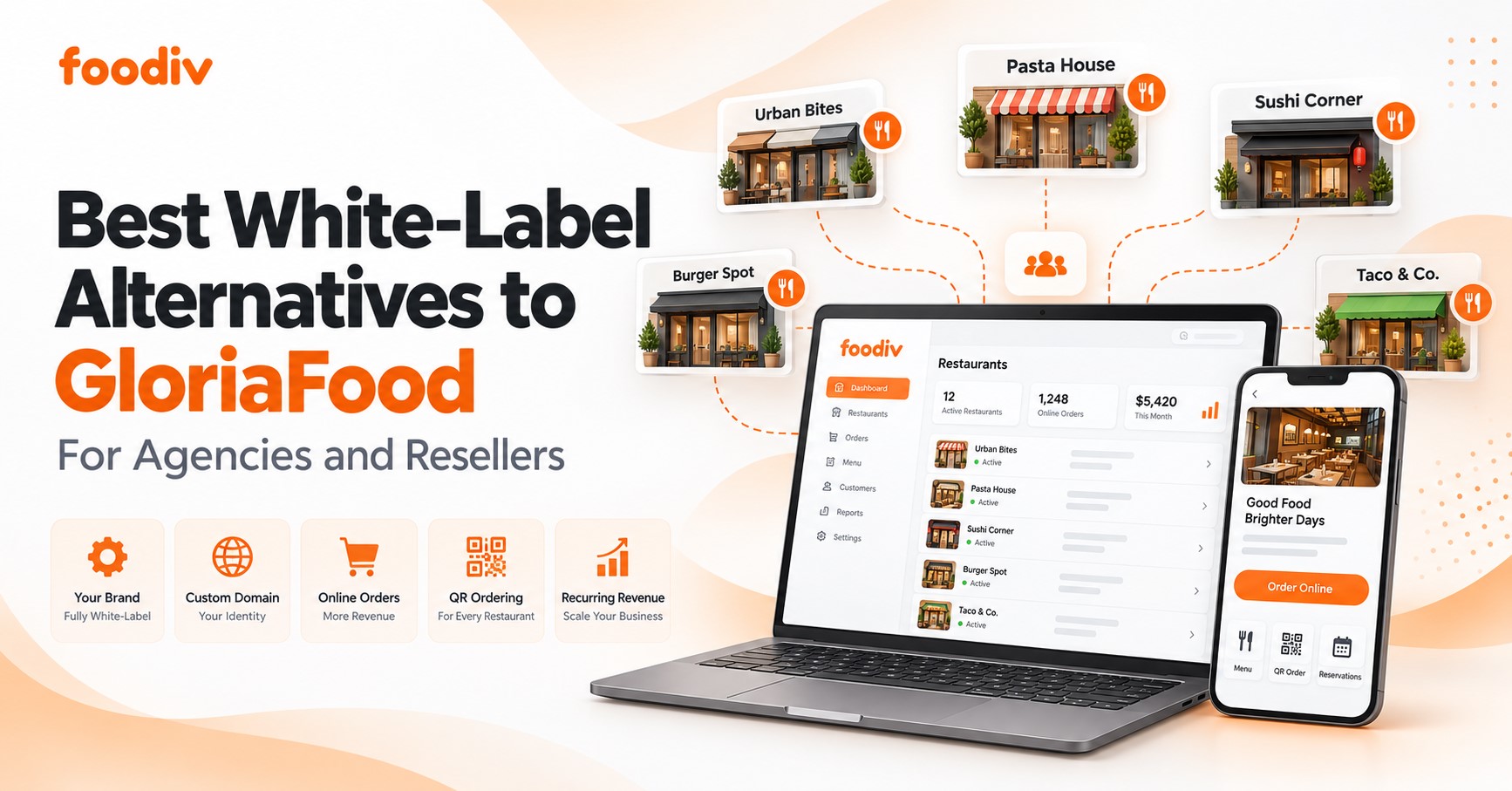
Poorly integrated systems often create duplicate work and missed orders. Using a reliable online food ordering system like Foodiv helps keep operations smooth for staff and customers.
Inventory and Staff Management Tools
Inventory and labor costs are two of the biggest variables in restaurant profitability. Managing them manually becomes difficult once volume increases. Basic digital tools help track usage, scheduling, and costs without adding administrative burden.
Useful systems typically help with:
- Monitoring stock levels and reducing waste
- Tracking ingredient usage tied to menu items
- Scheduling staff based on demand patterns
- Reviewing labor costs against sales
These tools do not replace good management. They support it by providing visibility. When owners can see problems early, they can fix them before they grow.
Plan Restaurant Marketing and Promotion
Marketing is not about big campaigns when a restaurant is new. It is about making sure people nearby know you exist and feel comfortable walking in. In Florida, competition is high and attention is short. If customers do not hear about a place early, they often default to what they already know.
Early marketing should feel natural and local, not forced.
Pre Opening Marketing Strategy
The most effective marketing often starts quietly. Before opening, people want reassurance more than hype. They want to know what is opening, when, and whether it looks worth trying.
What usually works well before opening:
- Sharing progress updates so locals see the restaurant taking shape
- Posting simple menu previews instead of full menus
- Letting the community know the opening date clearly
- Talking to nearby businesses and residents directly
Restaurants that show up early and communicate clearly tend to open with curiosity already built in.
Local SEO and Online Presence
Most first time customers will look the restaurant up before visiting. If they cannot find clear information, many will move on. This matters even more in Florida, where tourists rely heavily on search and maps.
Basic visibility should include:
- A complete Google Business Profile with correct hours and contact details
- Clear location information that matches signage and listings
- Real photos of the space and food, not stock images
- Quick, polite responses to early reviews
Being easy to find online often matters more than paid ads in the early stages.
Grand Opening Promotions
A grand opening does not need to feel like an event. It needs to feel smooth. Large promotions can overwhelm a new team and lead to poor first impressions.
Many Florida restaurants succeed by:
- Running a soft opening for friends and locals first
- Offering simple, time limited opening specials
- Keeping the first few days controlled and manageable
- Letting word of mouth spread naturally
The first experience matters more than the discount. When customers leave satisfied, they bring others with them. That momentum is far more valuable than any short term promotion.
Prepare for Soft Opening and Launch
The first days of service should not feel like a public performance. They should feel like practice. A soft opening gives the team room to settle into routines, spot weak points, and adjust before expectations are high. In Florida, where traffic can spike unexpectedly, this buffer is especially important.
Rushing straight into a full launch often exposes problems that could have been fixed quietly.
Running a Soft Opening Successfully
A soft opening works best when it stays controlled. The purpose is to test systems, not to attract crowds. Staff should have time to think, communicate, and recover when something goes wrong.
Most restaurants keep soft openings manageable by:
- Opening for limited hours rather than full days
- Offering a shortened menu focused on core dishes
- Inviting friends, family, and nearby locals instead of promoting publicly
- Keeping ownership or senior management on the floor
The goal is to watch how the kitchen flows, how orders move, and where staff hesitate. Those details are hard to catch once the room is full.
Gathering Customer Feedback
Feedback during soft opening is different from online reviews. Guests are usually more honest and more patient. They notice small issues and mention them casually, which makes the feedback more useful.
What tends to reveal the most:
- Repeated questions about the menu or ordering process
- Delays between ordering and food delivery
- Confusion at payment or pickup points
- Staff discomfort during busy moments
Taking notes and reviewing them with the team at the end of each day helps turn feedback into action. Small fixes here often prevent larger problems later.
Official Grand Opening Checklist
Once the soft opening feels steady, the restaurant can prepare for a full launch. This is less about promotion and more about readiness. The team should feel confident, not rushed.
Before opening fully, it helps to double check:
- Staff schedules are realistic and clearly communicated
- Menu items are priced correctly and consistently
- Payment systems run smoothly without workarounds
- All licenses and approvals are active and visible
- Online listings reflect accurate hours and contact details
A smooth opening builds trust quickly. In Florida’s competitive restaurant market, that early trust often determines whether first time guests come back or move on.
Common Challenges When Opening a Restaurant in Florida
Most restaurants in Florida do not struggle because the food is bad. They struggle because reality sets in faster than expected. Costs show up earlier. Timelines stretch. Traffic is unpredictable. These challenges are common, but they feel personal when you are living through them.
Knowing what usually goes wrong helps owners prepare instead of panic.
High Competition and Seasonal Demand
Florida is saturated with restaurants, especially in tourist driven areas. New openings get attention at first, but that attention does not last on its own. Once the opening buzz fades, the restaurant has to earn repeat visits.
Seasonality makes this harder. Tourist areas can feel busy and profitable for part of the year, then slow down sharply. Some weeks feel full, others feel empty. Weather, holidays, and travel patterns all affect traffic. Restaurants that budget as if every month will look like peak season usually feel pressure very quickly.
The ones that last plan for uneven demand from the beginning and adjust staffing, inventory, and expectations during slower periods.
Regulatory Delays and Compliance Issues
Permits and inspections are where many Florida openings stall. Even when paperwork seems complete, approvals can take longer than expected. Health inspections, fire reviews, and final occupancy approvals often happen late in the process, when rent and utilities are already being paid.
Problems tend to appear after build out is finished. A sink in the wrong place. Ventilation that does not meet code. Exit spacing that needs adjustment. Fixing these issues costs time and money, and there is rarely a fast workaround.
Restaurants that build extra time into their opening schedule handle this stage better than those working against fixed deadlines.
Staffing and Cost Management Challenges
Finding staff in Florida is competitive, especially in hospitality heavy cities. Hiring before opening is difficult. Keeping staff once operations begin can be even harder. Turnover is common, and losing key people early can disrupt service quickly.
Costs also move more than expected. Food prices change. Labor hours increase during busy weeks. Utilities rise with higher volume. These changes often happen quietly until margins start to feel tight.
Restaurants that review costs regularly and adjust early stay in control. Those that wait for problems to become obvious usually have fewer options when they finally react.
Final Thoughts on How to Open a Restaurant in Florida
Opening a restaurant in Florida tests patience more than creativity. The food matters, but planning matters more. Permits take time. Costs add up before revenue starts. Traffic is uneven, and busy months rarely look like slow ones. These realities catch many owners off guard, even when the idea is solid.
The restaurants that last are usually not the flashiest ones. They are the ones that planned carefully, respected local rules, and kept enough flexibility to adjust when things did not go as expected. They budgeted for delays. They hired slowly. They paid attention to what customers actually ordered instead of what looked best on paper.
Long term growth comes from staying operational when things get uncomfortable. That means keeping compliance clean, watching cash flow closely, and making small corrections early instead of big ones later. In Florida’s competitive restaurant landscape, consistency and preparation often outperform ambition alone.
Opening a restaurant here is not easy. But when the foundation is built with care and realism, it gives the business a real chance to grow, adapt, and stay open long after the excitement of opening day fades.
Frequently Asked Questions About Opening a Restaurant in Florida
The cost becomes clear only after the location and restaurant format are finalized. A small takeaway spot in a quieter area will cost far less than a full dine-in restaurant in a tourist heavy location. Many expenses begin piling up long before the restaurant is ready to serve customers.
Typical early costs include:
- Lease deposits and advance rent
- Interior renovation and build-out work
- Kitchen equipment and smallwares
- Permits, licenses, and insurance
What often gets underestimated are the costs after opening. Even with the doors open, expenses continue while sales take time to stabilize.
Ongoing costs usually include:
- Payroll and staff training
- Utilities and maintenance
- Food and beverage inventory
- Basic marketing and promotions
Restaurants that budget only for setup often feel pressure within the first few months. Planning enough capital to operate comfortably until revenue becomes steady makes a significant difference in long-term stability.
Most restaurants take longer than planned. Even when the concept is clear, permits, inspections, and construction changes can slow things down. Liquor licensing and final approvals often extend timelines further. What looks like a short setup on paper can turn into several months in reality. Owners who leave room for delays usually handle the process with far less stress than those working toward a fixed launch date.
Before opening, every Florida restaurant must complete several required approvals. These licenses and permits allow the business to operate legally and safely.
Mandatory requirements include:
- Food service license and health inspection approval
- Sales tax registration before accepting payments
- Employer registration if staff are hired
- Fire safety approval and a Certificate of Occupancy
Delays in any of these areas are one of the most common reasons restaurants are unable to open on schedule.
For most Florida restaurants, yes. Tourists often look up menus and ordering options before visiting. Locals expect convenience, especially for pickup and takeout. Online ordering helps capture sales beyond dine in traffic and keeps orders organized during busy periods. The key is using a system that fits daily operations instead of creating extra work for staff.