California is one of the most rewarding places to open a restaurant. It is also one of the most demanding. Customers are adventurous and willing to spend. Food trends move quickly, and new concepts often take off here first. But the barriers are real. Rent is high. Labor rules are strict. Permits involve multiple agencies and long timelines. In California, success depends on planning early and planning correctly.
If you are searching for how to open a restaurant in California, that is a smart starting point. A good menu alone will not carry a business here. In California, great food is only part of the equation. What often makes or breaks a restaurant is everything that happens before opening day. Local regulations vary by city. Startup costs add up faster than expected. Legal and compliance decisions made early tend to follow the business for years. When these details are rushed or overlooked, even strong concepts can run into delays or unexpected shutdowns.
This guide focuses on the licenses and permits you actually need to operate legally in California. No generic advice. No surface level explanations. Just clear, practical information to help you move forward with confidence, avoid delays, and open your restaurant the right way from day one.
Why Open a Restaurant in California
California offers one of the most dynamic food markets in the country. The customer base is large. The dining culture is strong. And there is constant demand for something new. At the same time, competition is real and costs are high. This creates both opportunity and pressure. For serious entrepreneurs, this balance is exactly what makes opening a restaurant here worth the effort.
Large and Diverse Customer Market
California brings together locals, business travelers, students, and global tourists in one place. Each group dines differently. Each group spends for different reasons. This diversity creates demand across every category, from quick service to fine dining. Cities like Los Angeles, San Francisco, San Diego, and San Jose support multiple restaurant formats in the same neighborhoods. That scale gives operators room to grow. It also allows niche concepts to succeed without relying on mass appeal. When you are opening a restaurant in this environment, you are not limited to one type of customer or one narrow dining trend.
High Demand for Innovative Food Concepts
California diners expect movement. New cuisines. Better sourcing. Smarter menus. Health focused, plant based, fusion, and sustainable concepts perform especially well here. Customers are willing to try unfamiliar flavors if the idea is clear and the quality is consistent. This makes the state a strong testing ground for original restaurant ideas. It also means operators must stay sharp. Trends change quickly. Menus must evolve. Concepts that feel tired struggle to survive. Innovation is not optional here. It is part of daily operations.
Strong Delivery and Online Ordering Growth
Off premise dining is no longer a side channel in California. It is a core revenue stream. Customers order from mobile devices as naturally as they dine in. This behavior accelerated years ago and never slowed down. Even smaller neighborhood restaurants now depend on digital ordering to stay competitive. For new owners, this changes how space is used, how menus are priced, and how staffing is planned. When opening a restaurant today, growth is tied closely to how well digital demand is captured and managed from the start.
Step 1: Choose the Right Restaurant Concept
Every successful restaurant in California starts with a clear concept. Not a vague idea. Not a copied format. A focused concept that fits the market, the budget, and the customer. This step influences everything that follows. Location. Licensing needs. Staffing. Even the type of permits required. Rushing this decision creates problems that are hard to fix later.
Identify Your Target Audience

Before thinking about food, first think about people. The exact type of customer you want to serve will shape every business decision.
Consider these factors:
- Age group and household size
- Income level and spending habits
- Work schedule and dining patterns
- Lifestyle preferences such as healthy eating, budget dining, or premium experiences
Office districts, family neighborhoods, tourist zones, and college areas all behave differently. When opening a restaurant, guessing the audience almost always leads to mismatched pricing and slow footfall.
Select Cuisine and Service Style
Once the audience is clear, cuisine and service style fall into place. Both must align with location, budget, and customer expectations.
Common formats include:
- Quick service for speed driven customers and high daily volume
- Casual dining for relaxed meals and repeat local traffic
- Fine dining for premium experiences and controlled reservations
- Cloud kitchens for delivery focused models with lower front end costs
Each format changes staffing needs, kitchen layout, and licensing requirements. The wrong match increases risk immediately.
Analyze Local Competition
Competition reveals where real demand exists and where saturation begins. This step prevents costly duplication.
Study nearby restaurants to understand:
- Price ranges customers already accept
- Menu gaps that remain underserved
- Service styles that succeed or struggle
- Customer reviews and recurring complaints
The goal is not to copy what works. It is to find where your concept can stand apart without confusing the market. This balance becomes the foundation of long term visibility.
Step 2: Create a Solid Restaurant Business Plan
A restaurant without a business plan runs on guesswork. In California, that risk is too expensive. A clear plan turns your concept into a real business model. It shows where money will come from, where it will go, and how long it will take to become profitable. This document also becomes essential when applying for loans, investor funding, and even some permits.
Executive Summary and Restaurant Vision
The executive summary is the snapshot of your entire restaurant idea. It explains what you are building and why it will work.
It should clearly define:
- The restaurant concept and service style
- Target customer and pricing level
- Location strategy
- Brand personality and long term vision
This section forces clarity. If the purpose and positioning feel weak on paper, the operation will struggle in real life. A strong vision gives investors confidence and gives your team direction.
Market Research and Industry Analysis
Good decisions depend on facts, not assumptions. Market research shows whether demand matches your concept in the chosen area.
This analysis should cover:
- Local dining habits and spending patterns
- Population growth and tourist flow
- Direct and indirect competitors
- Strengths and weaknesses of nearby restaurants
Benchmark pricing, menu sizes, and customer volume. When opening a restaurant, this data prevents overpricing, underpricing, and poor location choices.
Financial Projections and Cost Structure
This section determines survival. Many restaurants fail because early numbers were unrealistic.
Include clear estimates for:
- One time startup costs such as equipment, renovation, and licenses
- Monthly operating costs including rent, payroll, inventory, utilities, and insurance
- Expected revenue based on seating, average ticket size, and daily volume
Break even analysis must be honest. It shows how many months of operating cash you truly need before profits stabilize.
Step 3: Understand Restaurant Startup Costs in California
Cost planning determines how long your restaurant survives before it ever turns a profit. California is one of the most expensive states to open a restaurant. Rent is high. Labor costs are strict. Permits are not cheap. Understanding the full financial picture early protects you from cash flow shocks later. This step is about realism, not optimism.
One Time Setup Costs
These are the expenses required before you serve your first customer. They create the foundation of your operation.
Major setup costs usually include:
- Security deposit and initial lease payments
- Interior renovation and build out work
- Kitchen equipment, furniture, and signage
- Point of sale system and basic technology
- All required licenses and permits
These costs vary widely by city and concept. A simple quick service setup may stay controlled. A full service restaurant with a custom kitchen can multiply the budget fast. Underestimating setup costs is one of the most common early mistakes.
Monthly Operating Costs
Once doors open, fixed and variable expenses begin immediately. These determine your burn rate every month.
Typical monthly costs include:
- Rent and common area maintenance charges
- Electricity, gas, water, and internet
- Staff wages, taxes, and benefits
- Food and beverage inventory
- Marketing and online platform fees
Payroll alone takes a large share of monthly revenue in California. This makes accurate forecasting critical. Even a few slow months without proper reserves can create serious pressure.
Hidden and Emergency Expenses
These costs rarely appear in early plans but show up quickly in real operations.
Often overlooked expenses include:
- Equipment breakdowns and urgent repairs
- Legal consultations and compliance updates
- Health inspection corrections
- Workers compensation and liability insurance adjustments
Emergency funds are not optional. They buy time when something unexpected happens. And something always does.
Step 4: Arrange Funding and Capital
Every restaurant idea needs fuel to move from paper to reality. In California, that fuel must last longer and stretch further than most people expect. High startup costs and slower break even periods make underfunding a common reason for early failure. This step is about choosing the right money source and matching it with realistic expectations.
Self Funding and Personal Savings
Many first time owners start with personal savings. It offers full control and zero repayment pressure. There are no lenders to satisfy and no investors to report to. Decisions stay simple.
But self funding also concentrates risk. If costs run higher than planned, there is no safety net beyond what has already been invested. When using personal capital, it is critical to separate business funds from household finances. Operating cash must remain protected. A personal emergency should never threaten business survival.
Bank Loans and SBA Loans
Traditional bank loans and SBA backed loans remain common funding routes for restaurant owners with strong credit and a solid business plan. These loans provide structured repayment terms and larger capital access.
SBA loans are especially popular because they offer:
- Lower down payment requirements
- Longer repayment periods
- Government backing that reduces lender risk
The approval process is detailed. Financial projections must be precise. Documentation must be complete. But for many operators, this path offers the most stable long term financing option.
Investors and Business Partnerships
Investors bring capital in exchange for ownership or profit participation. This option works best for scalable concepts with clear growth potential.
Partnerships can reduce personal financial exposure. They can also bring operational experience and industry connections. But they require clear agreements, defined roles, and aligned expectations. Profit sharing, decision authority, and exit plans must be documented from the start. When money comes with shared control, clarity protects both sides.
Step 5: Choose the Best Location for Your Restaurant
Location shapes both daily revenue and long term survival. In California, a great concept can fail in the wrong spot, while a simple idea can thrive with the right placement. Rent may look attractive in one area, but low foot traffic quickly erases that advantage. This step demands careful balance between visibility, affordability, and customer access.
Foot Traffic and Visibility
High foot traffic drives natural discovery. Busy streets, transit hubs, shopping zones, and mixed use developments bring steady exposure without heavy ad spending.
Good visibility means:
- Clear storefront signage from a distance
- Easy pedestrian access
- Safe and convenient entry points
- Strong lighting and line of sight
A hidden location must rely heavily on marketing to pull customers in. A visible location lets the street do part of that work every day.
Lease Terms and Zoning Compliance
The lease governs your long term costs and your legal right to operate as a restaurant. Weak lease terms can lock you into high expenses with little flexibility.
Review carefully:
- Base rent and annual escalation clauses
- Length of the lease and renewal options
- Responsibility for repairs and maintenance
- Exit clauses and early termination penalties
Zoning laws must also allow food service at that location. Not all commercial properties are approved for restaurant use. Health, fire, and city codes must align before signing any binding agreement.
Neighborhood and Competition Impact
The surrounding neighborhood defines customer flow and pricing limits. Residential areas support steady local demand. Office zones peak on weekdays. Tourist districts bring seasonal spikes.
Competition reveals two things at once. It confirms demand exists. It also shows how crowded the market already is. Study competitor menus, pricing, wait times, and customer feedback. A strong concept can succeed near competitors. A weak one will struggle no matter how cheap the rent looks on paper.
Step 6: Register Your Business in California
Before applying for any restaurant permits or licenses, the business itself must legally exist. Registration creates that legal identity. It allows you to open bank accounts, sign leases, hire staff, and apply for state and federal permits. Skipping or delaying this step causes delays later when time is already tight.
Choose a Legal Business Structure
The structure you choose defines how taxes are paid, how liability is handled, and how ownership works.
The most common structures include:
- LLC for flexible ownership and personal liability protection
- Corporation for larger operations and investor backed models
- Partnership for shared ownership between two or more parties
Each option has different tax rules and legal risks. Many restaurant owners choose an LLC because it balances protection with simplicity. Still, this decision affects your long term financial exposure. It is worth discussing with a tax or legal advisor before filing.
Register with California Secretary of State
Once the structure is selected, the business must be registered with the California Secretary of State. This filing makes the business official in the eyes of the state.
Registration allows you to:
- Operate legally under your business name
- Enter commercial contracts
- Apply for state level permits and licenses
- Open a business bank account
Processing times vary based on filing method and season. Missing information can delay approval. Accuracy matters at this stage.
Get an EIN from the IRS
An Employer Identification Number is required for most restaurant businesses. It functions like a federal tax ID for your operation.
You need an EIN to:
- Hire employees
- File federal taxes
- Open payroll accounts
- Apply for certain licenses and loans
The application is free and can be completed directly through the IRS. Once issued, the EIN becomes a permanent identifier for your restaurant business.
Step 7: Obtain Restaurant Licenses and Permits in California
This is the step most new owners underestimate. California requires multiple permits before you can legally open your doors. Some approvals arrive quickly. Others take weeks or even months. Missing even one requirement can stall construction, delay inspections, or create fines. The goal here is simple. Know what you need and apply in the right order.
General Business License
Every restaurant must have a business license from the city where it operates. This license allows the city to recognize your restaurant as a legal business and track local tax obligations.
Cities issue their own licenses. Requirements change from one location to another. Some cities approve quickly while others require zoning checks or site reviews. Without this license, you cannot legally operate or apply for several other permits.
California Seller Permit
A restaurant cannot collect or report sales tax without a seller permit. This permit is issued by the California Department of Tax and Fee Administration. It is required for any business that sells tangible goods which includes food and drinks.
The seller permit links your business to the state tax system. It ensures you are legally allowed to charge sales tax on customer transactions. You can apply online and receive approval before construction is complete.
Health Department Permit
No restaurant in California can open without health department approval. This permit confirms that your kitchen, equipment, food storage, plumbing, and sanitation meet county health standards.
Health inspectors review:
- Floor plan and equipment layout
- Food preparation workflow
- Refrigeration and hot holding temperatures
- Ventilation and waste disposal systems
This permit often requires multiple inspections. Passing it is mandatory before opening day.
Food Safety and Employee Permits
California requires specific food safety certifications for owners and staff. At least one person must hold a certified food protection manager card. All food handling employees must complete a basic food handler course.
These certifications ensure:
- Safe food storage
- Correct cooking temperatures
- Proper hygiene and contamination prevention
These are non negotiable requirements. Restaurants without verified food safety training face penalties and failed inspections.
Liquor License if Applicable
Serving alcohol requires a liquor license from the California Department of Alcoholic Beverage Control. This is one of the longest approval processes in the state. It involves background checks, public notices, and location reviews.
Common license types include:
- Beer and wine only
- Full liquor service
- On premises consumption for dining rooms and bars
Applying early is critical. Many operators underestimate the timeline and delay their opening because of it.
Step 8: Design Your Restaurant Layout and Kitchen Setup
Design affects more than appearance. It controls how fast food moves, how comfortably guests dine, and how safely the team works. In California, layout decisions also impact inspection outcomes and long term operating efficiency. A beautiful space that ignores workflow usually turns into a daily struggle. This step is about building a space that works before it tries to impress.
Dining Area Planning and Seating Layout
Your dining area determines capacity, revenue potential, and customer comfort. The goal is to balance seating density with movement and visibility.
Plan for:
- Clear walkways for staff and guests
- Comfortable table spacing without wasting floor area
- Accessibility for wheelchairs and mobility devices
- Logical placement of service stations and restrooms
Overcrowding reduces guest experience. Too much empty space limits revenue. The right layout supports both hospitality and profitability at the same time.
Kitchen Workflow and Equipment Selection
The kitchen must support speed, safety, and consistency. Poor workflow slows service and increases errors.
Start with the actual flow of food:
- Receiving and storage
- Prep stations
- Cooking line
- Plating and service pass
Equipment must match the menu, not the other way around. Oversized equipment wastes budget and space. Undersized equipment creates bottlenecks during peak service. Every major appliance should support volume without straining power, ventilation, or staff movement.
Health, Safety, and Fire Compliance
Design must meet strict California codes before inspectors ever step inside. Health and fire compliance begins with layout, not paperwork.
Key areas that must meet code include:
- Ventilation and hood systems
- Grease traps and drainage
- Hand wash and sanitation stations
- Fire suppression and emergency exits
Failing these standards leads to costly redesigns and delayed approvals. When layout and compliance move together from day one, inspections become predictable instead of stressful.
Step 9: Build Your Restaurant Menu and Source Suppliers
A menu is more than a list of dishes. It is a business tool that shapes food costs, kitchen workflow, customer perception, and overall profitability. In California, ingredient prices shift often, and customer expectations move fast. A clear menu strategy helps you stay stable in a market that changes week by week. This step is about building a menu that is creative but still practical to execute.
Menu Engineering and Pricing Strategy
A strong menu is planned with intention, not guesswork. It highlights profitable items, supports fast service, and fits your kitchen capacity.
Focus on:
- Signature dishes that define your concept
- Balanced categories that avoid menu overload
- Pricing that reflects both cost and local competition
- Visual structure that guides customers toward high margin items
Each dish should justify its place. If it is expensive to make, slow to prepare, or hard to execute consistently, it needs a clear reason to stay. Menu engineering helps you avoid weak performers and double down on profitable winners.
Ingredient Sourcing and Vendor Selection
Your suppliers directly influence food quality and operational stability. California offers strong access to farms, seafood sources, and specialty distributors, but pricing varies by region and season.
When choosing vendors, consider:
- Reliability and delivery schedules
- Ingredient quality and freshness
- Minimum order requirements
- Price stability and bulk options
Do not rely on a single supplier for critical items. One missed delivery can disrupt an entire service. Build relationships with backups for essential categories like produce, proteins, and dry goods.
Cost Control and Portion Management
Profit margins disappear quickly without strict cost control. Even small inconsistencies add up across hundreds of orders.
Strengthen control with:
- Standardized recipes and fixed portion sizes
- Regular cost updates based on ingredient fluctuations
- Waste tracking to spot recurring problems
- Tight coordination between kitchen staff and purchasing
Clear portion guidelines protect both quality and profitability. When everyone follows the same standards, food costs remain predictable and customer experience stays consistent.
Step 11: Set Up Restaurant Technology and Operations
Technology is no longer optional in a California restaurant. It shapes speed, accuracy, customer experience, and day to day visibility. The goal is simple. Build an operation that runs smoothly without constant manual work. The right tools reduce errors, control costs, and keep your team focused on serving guests instead of fighting the system.
POS System and Billing Setup
Your POS is the center of daily operations. It handles orders, payments, reporting, and staff activity. A weak system slows everything down.
A good POS should offer:
- Fast order entry for both front and back of house
- Reliable payment processing
- Real time sales reporting
- Easy menu edits and price updates
Choose a system that matches your service style. Quick service needs speed. Full service needs table management. Cloud kitchens need delivery routing. The POS sets the rhythm of your restaurant, so choose it with care.
Online Ordering and Delivery Integration
California customers expect digital convenience. If they cannot order from their phone, they often choose a competitor. An online food ordering system is no longer a bonus. It is a core revenue channel.
Strong digital integration should include:
- Direct ordering without commission fees using food ordering system
- Smooth connections with delivery apps
- Automated order routing to the kitchen
- Clear communication for pickup and delivery timing
This setup reduces manual entry errors and keeps tickets moving without confusion. It also gives customers the freedom to order anytime, which increases daily volume.
Inventory and Accounting Software
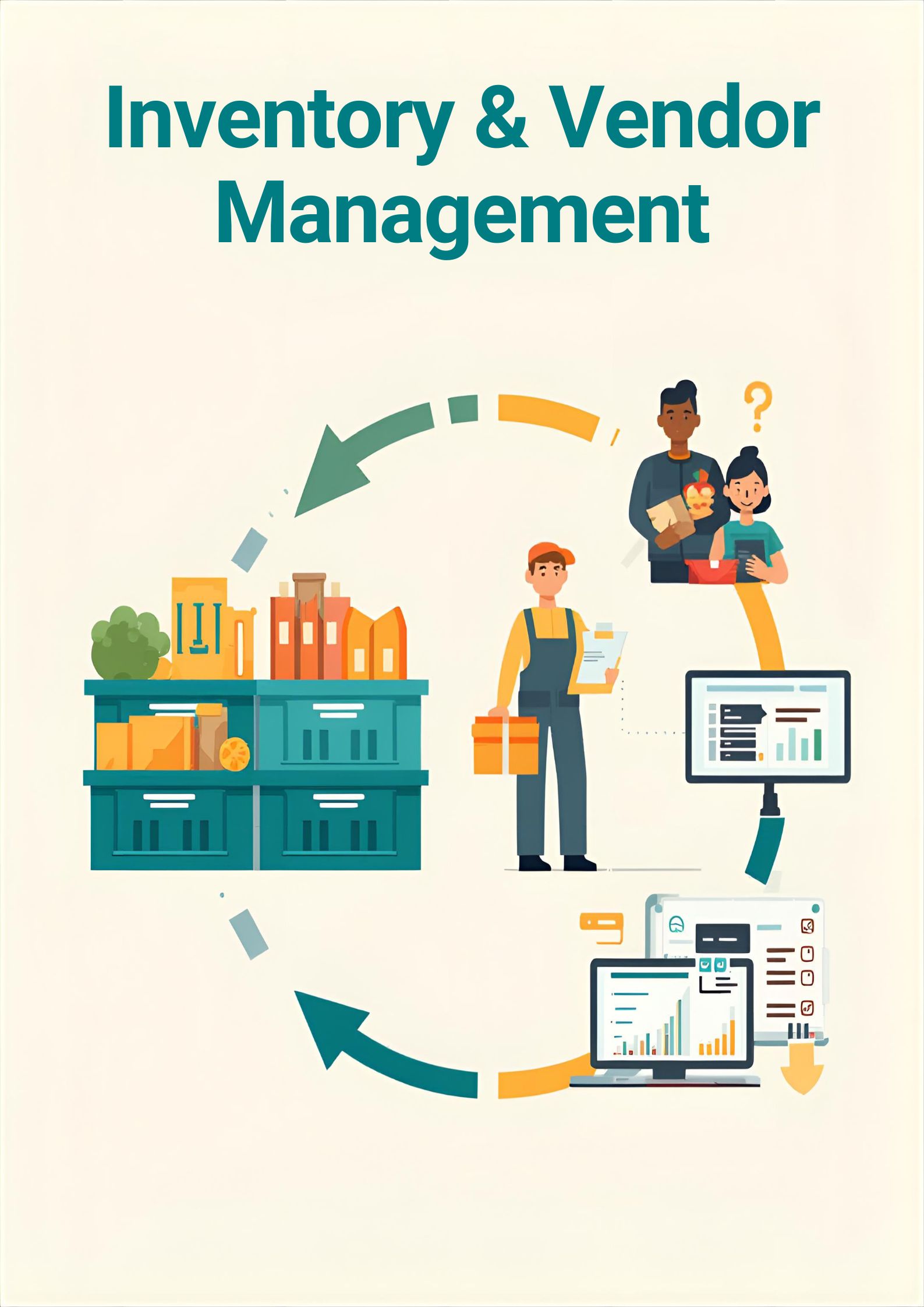
Inventory and accounting tools protect your margins. Without them, costs drift and waste grows unnoticed.
Useful features include:
- Real time ingredient tracking
- Automatic low stock alerts
- Vendor price monitoring
- Accurate cost of goods reporting
- Simple syncing with your POS and bank accounts
These tools give you a clear picture of where money comes from and where it disappears. With strong visibility, decisions become easier, faster, and far more accurate.
Step 12: Create Your Restaurant Marketing and Branding Strategy
Great food alone is not enough to fill tables in California. Customers must first know you exist. Marketing shapes visibility. Branding shapes memory. Together, they determine how fast your restaurant gains traction after opening. This step is about creating a clear identity and making sure the right people see it at the right time.
Restaurant Name, Logo, and Brand Identity
Your brand is what customers recognize before they ever taste your food. It starts with a name that is simple, distinct, and easy to remember. The logo should translate clearly across signage, menus, delivery apps, and social platforms.
Strong brand identity includes:
- A clear personality that matches your concept
- Consistent colors, fonts, and visual tone
- Messaging that speaks directly to your target audience
- A story customers can connect with
Your brand should feel intentional, not decorative. When branding is clear, marketing becomes easier and trust builds faster.
Digital Marketing and Local SEO
Most customers search before they visit. If your restaurant does not appear in local searches, it loses traffic every day.
Focus on:
- Google Business profile setup and optimization
- Accurate business listings across local directories
- Location based keywords on your website
- Genuine customer reviews and regular updates
Local SEO brings steady, high intent traffic without constant ad spend. It quietly becomes one of the strongest long term marketing assets when managed correctly.
Social Media and Influencer Promotions
Social media drives discovery, especially for new restaurants. Visual platforms help customers see the experience before they step inside.
Use social channels to:
- Share real food photos and behind the scenes content
- Announce offers, events, and menu updates
- Engage with local customers through comments and messages
- Collaborate with local food creators and influencers
Influencer partnerships work best when they feel natural and local. One genuine recommendation can outperform weeks of paid advertising. The goal is not viral fame. The goal is steady local awareness that turns into consistent foot traffic.
Step 13: Plan Your Restaurant Soft Launch and Grand Opening
A smooth opening sets the tone for everything that follows. It gives your team confidence, helps you spot weak points, and introduces the restaurant to the community with intention. California diners notice details, and a rushed launch often leads to early negative reviews. A structured opening plan helps you avoid that pressure and start strong.
Staff Trial Runs and Menu Testing
Before inviting the public, the team needs practice. Trial runs reveal what works and what needs adjustment.
Focus on:
- Simulating real service with friends and family
- Testing ticket flow from POS to kitchen
- Checking prep times and cooking speed
- Identifying dishes that need improvement
These practice shifts reduce first day mistakes and help the team settle into their roles. The goal is not perfection. The goal is confidence and consistency.
Soft Opening Promotion Strategy
A soft launch allows you to open quietly, gather feedback, and adjust before the full public rush. It also creates early buzz without the pressure of large crowds.
Useful strategies include:
- Limited hours or a reduced menu
- Inviting local residents, nearby offices, and loyal social followers
- Offering small incentives for honest feedback
- Gathering comments on service, taste, and wait times
A good soft opening reveals issues you cannot see on paper. Fixing them early protects your reputation during the grand opening.
Grand Opening Event Planning
The grand opening is your first major impression. It should feel organized, inviting, and true to your brand.
Plan for:
- Clear promotions or launch offers
- Strong staff coverage for expected traffic
- Clean signage and easy entry points
- Local outreach through press, social media, and community groups
A well planned grand opening creates momentum. Customers leave with excitement, not frustration. That early energy drives repeat visits and helps your restaurant settle into its long term rhythm.
Step 14: Daily Operations and Ongoing Cost Control
The real work begins after opening day. Daily operations decide whether a restaurant grows, struggles, or shuts down quietly. In California, high fixed costs leave little room for inefficiency. This is where a strong restaurant management software becomes useful. It keeps operations organized, tracks key numbers, and gives you a clear picture of what is happening behind the scenes.
Inventory and Vendor Management
Inventory is tied directly to cash flow. Poor tracking leads to waste. Late reordering leads to lost sales. A restaurant management software helps you stay ahead by monitoring stock levels, vendor deliveries, and ingredient usage in real time.
Daily and weekly discipline should include:
- Checking stock levels against actual usage
- Tracking high value and fast moving items closely
- Reviewing vendor pricing and delivery performance
- Keeping backup vendors for critical supplies
Good inventory habits prevent shortages, reduce spoilage, and protect margins quietly in the background.
Sales Tracking and Performance Reporting
Sales data shows what is really happening inside the restaurant. Not what feels busy. Not what looks crowded. What actually earns money. A restaurant management software simplifies this by turning raw sales data into clear reports you can act on.
Track performance through:
- Daily sales by category and time slot
- Average ticket size and order patterns
- Peak hours and slow periods
- Promotions that generate real revenue
Consistent reporting turns guesswork into clear decisions. It helps you adjust staffing, pricing, and marketing based on facts rather than assumptions.
Customer Feedback and Reputation Management
Every review shapes perception. Good or bad, customers talk. How you listen and respond determines long term trust. Modern restaurant management software often includes tools for tracking customer feedback and storing customer history, which helps personalize service and identify recurring issues.
Strong reputation management means:
- Monitoring reviews across major platforms regularly
- Responding calmly and professionally to complaints
- Thanking customers for positive feedback
- Using recurring feedback to fix real service gaps
Customer opinion spreads quickly in California markets. When feedback is handled with care and supported by organized systems, even criticism becomes a tool for improvement instead of a threat.
Common Challenges of Opening a Restaurant in California
California offers immense opportunity, but it also applies constant pressure. The market rewards preparation and punishes shortcuts. Understanding these challenges early helps you plan with clarity instead of reacting in crisis mode later. Many restaurant failures here are not caused by poor food. They are caused by strong external pressures that were never fully anticipated.
High Rent and Operating Costs
Rent consumes a large portion of monthly revenue in most California cities. Prime locations come with premium price tags. Even secondary areas carry elevated lease rates. On top of rent, utilities, insurance, waste management, and maintenance costs remain consistently high.
These fixed expenses do not slow down during low sales months. When revenue dips, pressure rises immediately. This is why accurate cost planning and strong daily control become non negotiable for long term survival.
Strict Compliance and Labor Regulations
California enforces some of the most detailed labor and safety regulations in the country. Minimum wages rise often. Overtime rules are strict. Meal breaks, rest periods, and employee classification standards are tightly monitored.
Health and safety compliance also remains under constant review through routine inspections. Small violations can lead to warnings, fines, or closures. Owners must stay informed and compliant at all times. Falling behind even once creates costly setbacks.
Staff Retention Issues
The hospitality labor market in California is highly competitive. Workers have many options. Turnover remains one of the most persistent operational challenges.
High living costs push employees to seek higher wages and flexible schedules. Without proper training, support, and workplace culture, retention drops quickly. Every staff departure increases hiring costs and disrupts service consistency. Stable teams do not happen by accident. They are built deliberately through structure, communication, and fair management.
Tips for Long Term Restaurant Success in California
Opening strong is important. Staying strong is harder. Long term success in California comes from steady adaptation, not one time effort. Markets shift. Costs change. Customer habits evolve. The restaurants that last are the ones that watch closely, adjust quickly, and stay connected to both their data and their community.
Focus on Digital Ordering and Delivery
Digital demand does not slow down in California. It continues to grow across every restaurant category. Customers expect speed, clarity, and convenience from their phones.
Long term success depends on:
- Keeping online menus accurate and updated
- Offering smooth pickup and delivery experiences
- Reducing dependency on high commission platforms
- Maintaining direct connections with repeat customers
Digital ordering is not just about revenue. It is about visibility, loyalty, and brand control in a crowded market.
Build Strong Local Community Presence
California cities are built on local connections. Neighborhood support often matters more than wide exposure.
Strong community presence comes from:
- Participating in local events and fundraisers
- Partnering with nearby businesses and offices
- Supporting schools, sports teams, and community groups
- Creating reasons for locals to return regularly
When customers feel personal connection, price becomes less of a barrier and loyalty becomes stronger.
Track Data and Optimize Profitability
Emotion can mislead. Data does not. Long term profitability depends on knowing exactly what performs and what drains resources.
Key areas to track consistently:
- Sales by item and time period
- Labor cost versus revenue
- Food cost trends and waste patterns
- Customer visit frequency and average spend
Restaurants that survive in California do not guess their way forward. They measure, adjust, and repeat with discipline.
Explore This Guide Also: How to Open a Restaurant in Florida: Step by Step Guide
Final Thoughts on Starting a Restaurant in California
Starting a restaurant in California is not a casual decision. It is a layered process that demands planning, patience, and precision at every stage. From legal registration and permits to location, staffing, technology, and daily operations, each step builds on the last. Those who succeed do not rush compliance or ignore data. They invest in systems, protect the customer experience, and stay disciplined with costs. If you are serious about learning how to open a restaurant in California, treat it as a business first and a passion second. That balance is what carries restaurants through both growth and pressure.
Frequently Asked Questions on Opening a Restaurant in California
The total cost varies widely based on location, size, and concept. A small quick service restaurant may start around the lower six figures. A full service restaurant in a major city can easily reach several hundred thousand dollars or more. Major cost drivers include rent, renovation, equipment, licenses, and initial payroll. The safest approach is to plan for higher costs than expected and keep strong cash reserves for the first six to twelve months.
Timelines depend on the city, county, and types of permits required. Basic business registration can be completed in days. Health permits and inspections usually take several weeks. Liquor licenses take the longest and can stretch into several months. Delays often happen due to incomplete applications or failed inspections, so early preparation is critical.
A liquor license is only required if you plan to sell alcohol. If your menu includes beer, wine, or spirits, approval from the California Department of Alcoholic Beverage Control is mandatory. Restaurants that do not serve alcohol do not need this license. Because approval takes time, operators who plan to serve alcohol should apply as early as possible in the setup process.
California enforces a statewide minimum wage with additional city level increases in many areas. Rates change regularly and differ by location. Some cities require significantly higher wages than the state baseline. Owners must also follow strict overtime, meal break, and rest period rules. Staying updated with local labor laws is essential to avoid penalties.
Yes. In most California markets, customers expect digital ordering as a standard service. Online ordering supports pickup, delivery, and off premise sales, which now make up a large share of restaurant revenue. It also improves order accuracy and convenience for customers. New restaurants that skip digital ordering often struggle to compete with nearby operators who offer faster and more flexible ordering options.